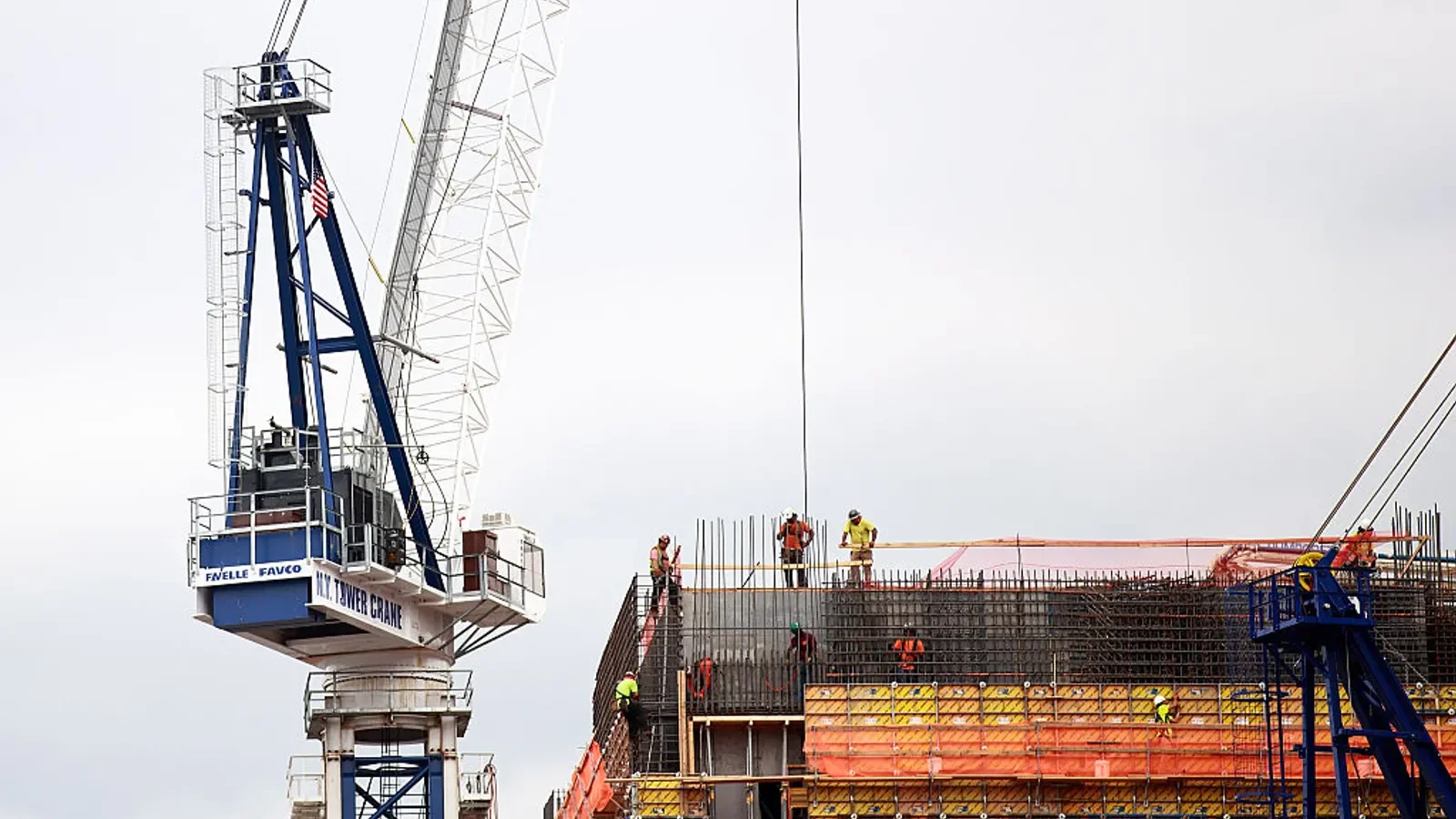
Boston weighs relief for developers
Boston is weighing targeted changes to its inclusionary zoning program as construction costs and a subdued housing market put pressure on project feasibility. Mayor Michelle Wu’s proposal would lower certain fees and give developers more time to pay, while temporarily limiting which multifamily projects must comply. The aim is to make some projects easier to finance at the outset while retaining the city’s affordability requirements.
That balance is the central question. Inclusionary zoning ties new development to the production or funding of affordable homes, but the cost of meeting those requirements can affect whether a project moves ahead, changes shape, or stalls. Boston’s proposal treats the timing and size of some payments as adjustable parts of the policy. It doesn’t remove the affordability obligation for projects that remain covered.
Here’s the thing: a policy can preserve its stated goals and still change who falls within its reach. Raising the threshold means some smaller projects would temporarily be exempt from the participation requirement. The lower fee and installment schedule, meanwhile, would change how condominium developers who choose the payment option meet that obligation. Those are distinct changes, with different effects on project costs and the number of developments subject to the rules.
Lower fees and a higher project threshold
Under the proposal, condominium developers who pay a fee instead of providing required affordable units would see the payment fall from 75% to 50% of the difference between market-rate and income-restricted unit values. They could also spread payments across seven installments, compared with two now. In practical terms, the revised formula would reduce the fee tied to that value gap, while the longer schedule would spread payments over more installments.
Those adjustments address two separate pressures. A lower fee would reduce the amount due under the proposed formula; more installments would reduce the size of each payment and give developers a longer period to pay. That distinction matters in a market where projects may be difficult to make financially feasible. A smaller upfront outlay can ease pressure on a development budget, though it doesn’t by itself establish that a project will proceed.
The city would temporarily raise the participation threshold from seven units to 10. Boston’s current policy requires 17% of qualifying multifamily units to be income-restricted. The threshold change would narrow, for a limited period, the group of projects covered by the policy. The proposal doesn’t change the 17% requirement described for qualifying projects; it changes the unit count at which participation would be required.
Wu says the program has produced nearly 3,000 affordable homes over the past five years. That figure gives the debate a concrete measure of the program’s reported output, but the proposal also raises a question about how to weigh past production against future feasibility. A change intended to support development could help keep projects moving, yet a higher threshold also means fewer smaller projects would be required to contribute while the temporary rule is in effect.
“By providing greater flexibility and reducing upfront costs, we can help make more housing and commercial development financially feasible while preserving the affordability requirements that are so important to Boston’s future,” Chief of Planning Kairos Shen said.
Boston’s proposal reflects wider market pressure
Other cities have also adjusted developer requirements amid a slower housing market. San Francisco reduced its multifamily affordable housing requirement from 15% of units to 5% this summer. New Orleans cut its per-unit affordable housing fee from $304,810 to $10,000 last month. The measures aren’t identical to Boston’s proposal, but they show that cities are revisiting how much affordable housing they require from development when projects face market pressure.
Comparisons need care. Boston’s proposal includes a lower fee calculation, an expanded payment schedule, and a temporary change to the project threshold. The examples from San Francisco and New Orleans involve changes to requirements or fees described differently in the source. They offer context for a broader policy debate, but they don’t show that one city’s approach will produce the same results in another.
Boston’s changes aim to ease initial costs without abandoning the city’s affordability goals. Chief of Housing Sheila Dillon said building costs have risen and the revisions are intended to encourage new housing while maintaining the commitment to affordability. Wu described the approach as part of a broader effort to build more homes and remove barriers to development.
This is more significant than it looks: the proposal makes a judgment about which costs and obligations can be adjusted when development is under strain. The test will be whether the changes improve feasibility while leaving the city able to advance its affordability objectives. The source doesn’t establish how many projects might benefit, how much the fee changes would save in a given case, or how the temporary threshold would affect the number of affordable homes. Those unknowns limit what can be concluded from the proposal alone.
(And this is the part most people overlook.) Payment timing and eligibility thresholds don’t have the same consequence. Spreading a fee across seven installments changes when a developer pays; raising the threshold changes which projects must participate. One is primarily about cash flow. The other changes the reach of the policy during the temporary period.
What the changes could mean for housing production
If you’re working in this space, the practical question is not simply whether the city has lowered a fee. It’s how the full package affects a project’s costs and obligations, and whether that difference is enough to make development more feasible. The proposal’s stated purpose is to encourage housing and commercial development while preserving affordability requirements, but its eventual effects will depend on how the changes operate alongside market conditions.
There’s also a trade-off for the city to assess. A participation threshold of 10 units would leave some projects below that level outside the requirement for the time being. The lower payment formula could reduce the contribution from condominium developers who choose to pay instead of providing units, while the installment option would alter the timing of those payments. The material provided doesn’t quantify how these changes would affect program revenue or the number of affordable homes.
That said, keeping a policy unchanged during a difficult market can also have consequences if projects become less feasible. The city’s case is that easing certain costs could support development without discarding its affordability commitment. Whether that balance holds will be clearer after the proposal’s review and as the city sees how developers respond.
Some projects may become more feasible. That’s the intended effect, not a result established by the proposal itself.
Next steps
The Boston Planning Department advanced the proposal on Nov. 12. It now requires review by the Boston Zoning Commission and City Council. The proposal has therefore cleared one step, but it hasn’t completed the review process described here. Its final path depends on those next reviews.
The outcome will show how the city balances development feasibility with its inclusionary housing requirements as projects face higher costs. For now, Boston is proposing targeted relief: lower payments under a specified formula, more time to pay, and a temporary increase in the unit threshold. The central question is whether those adjustments can support new development while maintaining the affordability goals city officials say remain in place.