The Tampa Bay Rays are making significant strides in their plans for a new stadium, seeking a construction manager at risk for the $2.3 billion project aimed at a 2029 opening. With an expected maximum capacity of 28,000 fixed seats, along with options for expansions during major events, this project is set to reshape the Tampa sports environment.
The Path Toward a New Stadium
Launched on June 29, the request for qualifications (RFQ) outlines critical timelines. Interested parties must submit statements of qualifications by July 28, while the Rays plan to announce their selection by August 14. This timeline reflects the urgency behind the project that has seen its share of delays due to hurricanes and fluctuating costs. Remarkably, the Rays have been navigating the challenges of securing a new venue for years, addressing not just logistical issues, but also the necessity of generating community support in an area with a storied sports history.
If you're working in this space, it's fascinating to consider how these timelines are often dictated by broader market conditions and political climates. The Rays' effort to expedite the project signals their commitment not just to their team and fans, but also to the Tampa Bay community, which longs for a first-class facility. Stadium construction goes beyond just building; it’s about creating an economic hub that attracts visitors and enhances the local culture.
Understanding the Scope of the Project
It’s important to recognize the scale of this undertaking. The Rays project includes an anticipated 1.3 million gross square feet of space, making it one of the most notable stadium developments in recent times. This isn't just a few walls and bleachers; it embodies a space designed for multi-purpose use, reflecting trends seen in other successful stadiums. In the current climate, stadiums are often envisioned as year-round venues that offer more than just game day activities; they aim to host concerts, community events, and various entertainment options. And yet, with the size and expected features, questions arise: will it genuinely serve the community, or will it primarily cater to the affluent few?
Aligned with practices for major sports venues, the construction manager at risk method is integral to such large-scale developments, allowing for a collaborative approach throughout the project's lifecycle. This approach can often expedite construction, and provides a structured way for teams to manage costs more effectively—a necessity in any project where the budget is as significant as this one. The stakeholders have a shared responsibility that can help mitigate the typical risks associated with construction and operations, but accountability will also rest heavily on the chosen firm’s capability to deliver.
Timelines and Deadlines
The RFQ indicates a targeted completion of the stadium by the end of 2028, necessary for the scheduled MLB opening day in March 2029. The significance of this timeline can't be overstated. Major League Baseball has stringent requirements when it comes to opening new facilities. It’s a high-stakes game, especially given that the Rays have already contended with hurricanes that have impacted their schedule and budgets. Timeliness isn’t just about construction; failing to meet deadlines can affect team operations, revenue, and fan engagement.
Alongside site preparation, the construction timeline emphasizes the importance of finalizing the project to meet league deadlines. Projects of this scale often function like finely tuned clocks where each gear must turn at just the right moment. The stakeholders involved will need to stay nimble, as delays can arise from unexpected sources. This is the part most people overlook. Weather, supply chain issues, and regulatory approvals—each can set back timelines in significant ways.
Credentials and Design Firm Selection
According to the RFQ, the chosen construction manager should have a strong credentialing within the realm of large, enclosed sports facilities. This requirement aims to ensure that the firm not only understands the technical challenges of such projects but also is adept at negotiating the unique aspects of designing and building a stadium that meets both safety and spectator experience standards. As of now, Kansas City-based Populous has been selected as the design firm for the new stadium, adding another layer of anticipation for this ambitious project. Their portfolio includes several successful stadiums, which speaks to a precedent of quality and innovation—both necessary ingredients for this undertaking.
Yet, one must critically consider whether the chosen firm can truly replicate their past successes under the unique conditions of Tampa Bay. Will they integrate local culture and community engagement into the stadium’s design? Or will this simply become another cookie-cutter facility that could be plopped down anywhere? These are vital questions that stakeholders, including local residents, will need answers to as the project unfolds.
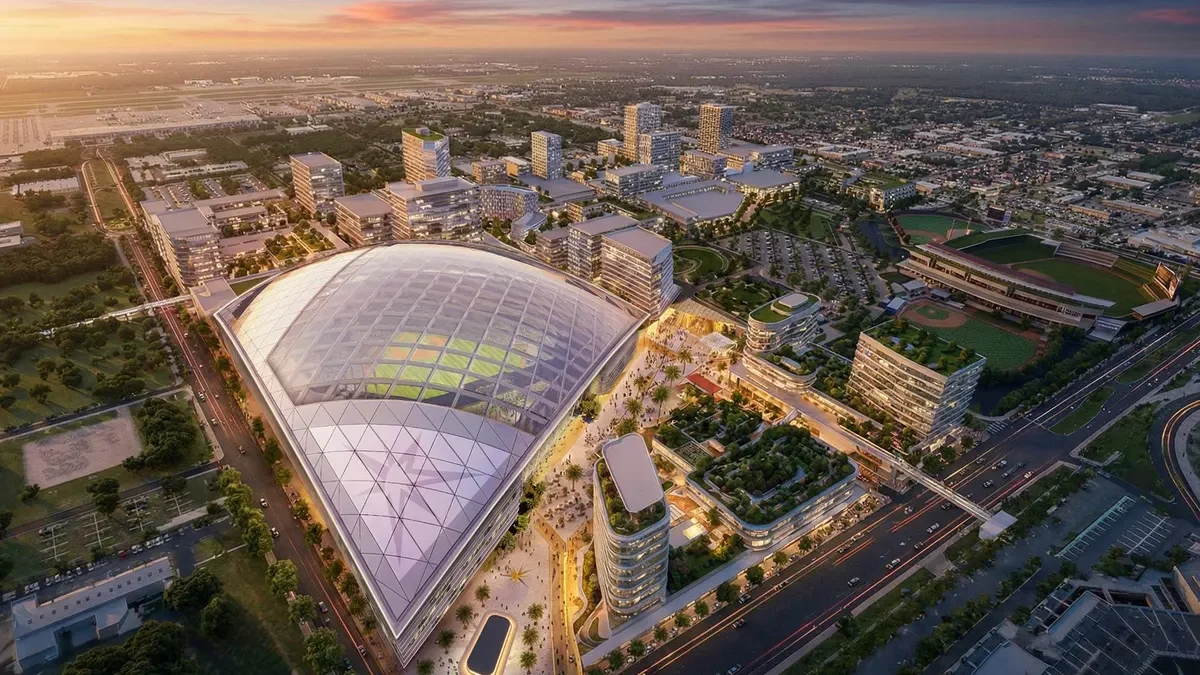
Correction: A previous version of this story misstated the city where the future stadium is planned. It will be in Tampa, Florida.
Future Implications and Significance
The implications of this stadium project extend beyond just the surface. The Tampa Bay Rays are staking a claim to not only their competitive future but also to the economic vitality of the region. New stadiums have historically been linked to increased local revenue, though the benefits can be overstated—particularly when it comes to potential returns on public investment. Urban revitalization efforts often accompany such projects, making the Rays' stadium a pivotal point in discussions about community investments in sports.
There’s also the question of sustainability in construction. As more teams embrace eco-friendly practices, how this new stadium will address environmental concerns remains to be seen. The push for greener design practices isn't just a trend; it’s an expectation from increasingly aware fans and consumers.
In light of these considerations, the Rays' stadium project may very well serve as a litmus test for the future of sports facilities across the country, especially in towns facing economic challenges. What this means for you or anyone else engaging with Tampa's sporting scene—keep your eyes peeled. This isn’t just about baseball; it’s about how cities reinvent themselves through sports and what those decisions mean for their inhabitants. The upcoming months and years will reflect the community's hopes and challenges tied to the Rays' ambitious endeavor.