Introduction to the Project
The Washington Commanders have recently made headlines with the announcement of a major joint venture involving Clark Construction, Mortenson, and Smoot Construction Company to build a new NFL stadium in Washington, D.C. This ambitious initiative, estimated to involve an investment of $3.8 billion, is set to reshape the city's sporting culture, particularly as it rises from the site of the historic Robert F. Kennedy Stadium. Creating a new venue for one of the NFL's most storied franchises is no small feat, especially considering the complexities of urban construction in a major city. This development could redefine the skyline and sporting culture of D.C. and beyond.
The Scope of the Stadium
The proposed stadium is eye-catching, spanning about 1.8 million square feet and seating approximately 65,000 fans in a fully enclosed setting. But it’s not just another sports venue; it’s designed to serve as the focal point of a larger 180-acre campus intended to host upwards of 200 events annually. This includes concerts, global sporting events, and more, aiming to attract both residents and tourists alike. The ambition here is immense, signaling that the Commanders aren't merely interested in a new home, but in creating a destination for entertainment—a complex that can elevate the profile of Washington D.C. as a sports and cultural hub.
Financial Commitment of Stakeholders
In a landscape where public funding for sports facilities is often a contentious topic, the financial framework for this project is particularly noteworthy. According to D.C. Mayor Muriel Bowser, the Commanders are putting up a significant portion of the funding, with at least $2.7 billion sourced from team investments. That's a staggering amount that positions this as the largest private investment in the city's history. The city's financial involvement of $1.1 billion also raises eyebrows, especially in an age of rising public scrutiny regarding where taxpayer dollars are allocated. Where does the line fall between public benefit and corporate profit? It’s a question that will likely be debated in community meetings and council chambers.
Expertise of the Construction Firms
This joint venture is significant not only because of its scale but also due to the impressive credentials of the firms involved. Clark Construction, based in Bethesda, Maryland, is known for its successful completion of notable projects like Nationals Park and Capital One Arena, venues that have transformed how sports are experienced in D.C. Parallelly, Mortenson has carved out a name in the realm of NFL stadium construction, exemplified by its work on the high-profile Allegiant Stadium for the Las Vegas Raiders. Their involvement brings a level of expertise that could ensure the project not only meets deadlines but also fulfills community expectations.
Lee DeLong, CEO of Clark’s Capital Group, expressed a vision: “With a rich history of delivering projects that have defined the District skyline, we share the Commanders' dedication...” Such enthusiasm is essential but should also be tempered with a realization that ambitious projects often face unforeseen hurdles. Nevertheless, the promise of constructing a "world-class entertainment destination" is compelling.
Community Impact and Economic Growth
Logan Gerken, vice president and general manager of Mortenson Sports + Entertainment, noted the project’s potential for fostering community connections and driving economic growth. But the reality is often more complex than the rhetoric. If you're working in this space, you'll know that the benefits touted need meticulous follow-through. How will local businesses and residents engage with this new stadium? Past examples suggest that without strategic planning, gentrification and displacement could overshadow any economic growth claims.
Timeline and Future Prospects
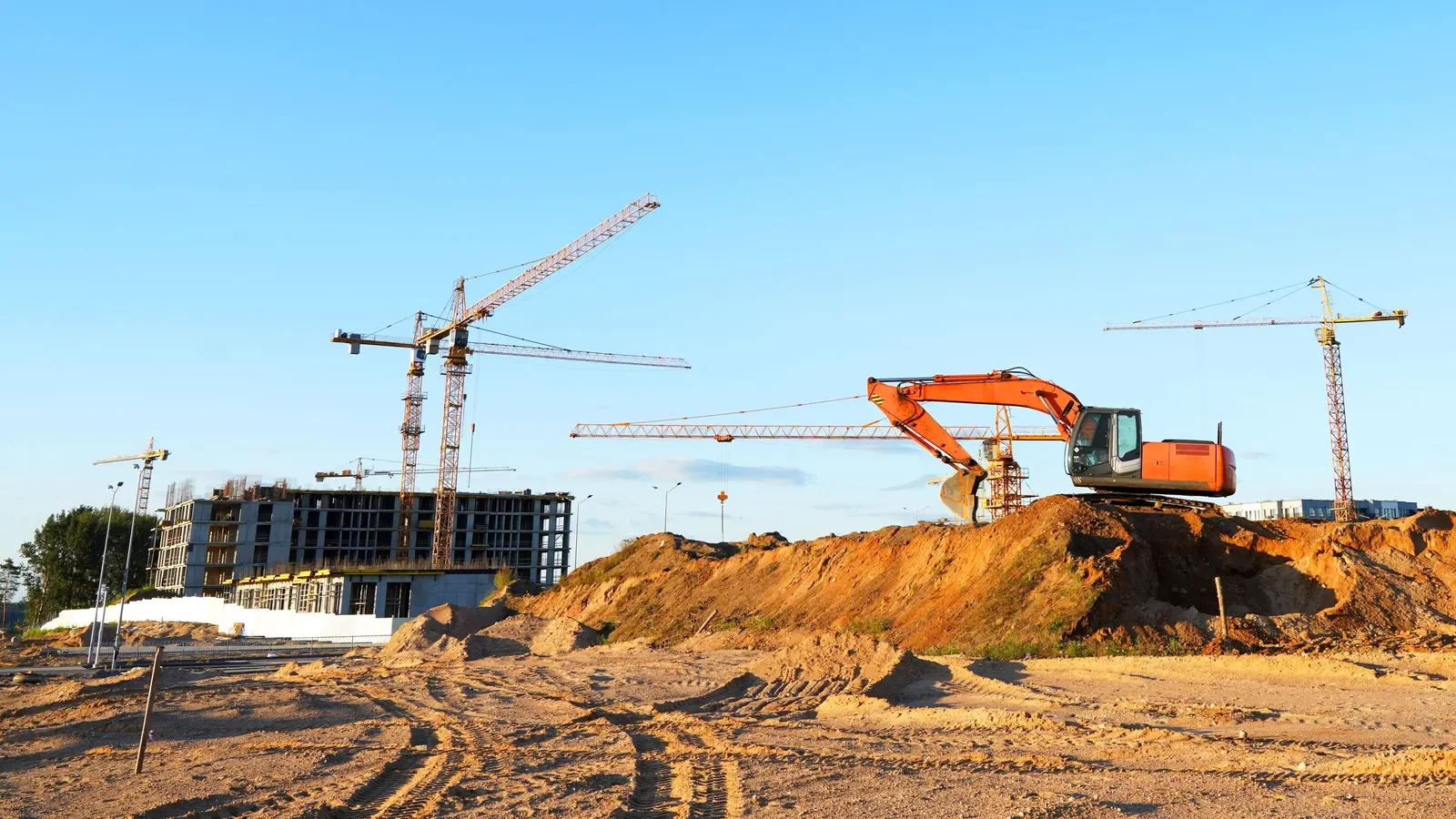
Construction milestones are always noteworthy, and site preparation work commenced in June, setting the stage for construction to officially kick off in spring 2027. The projected completion by spring 2030 further reflects the project's ambitious timeline. Yet, one must wonder—what happens when projects of this nature run behind schedule, as many do? How will politics influence this timeline, especially as various local and state entities are involved? It would be naive to assume that all will go smoothly.
For now, the development seems emblematic of a blend between sports and urban renewal, attempting to position Washington D.C. as a key player for athletic and cultural events. Yet the success of this venture will depend heavily on how well it integrates with the community and serves the residents of D.C.
Implications and Future Outlook
The significance of this project extends beyond its physical construction. A new NFL stadium could rewire the city’s economic structure, impacting everything from real estate prices to local business revenues. This isn’t just about sports; it's about how communities adapt to such monumental changes. And yet, skepticism remains. Given the mixed track record of similar projects overcoming logistical, financial, and community-related hurdles, one must question whether this venture truly will serve as a beacon of progress or merely another venue for corporate entertainment in a city long troubled by issues of equity and access.
As the stadium takes shape, stakeholders will face continuous scrutiny. Will the Commanders commit to community engagement? How will they ensure the promised benefits translate into real improvements for D.C. residents? These questions linger as work begins, shaping not only the future of this ambitious stadium but also the potential legacy it could leave in the city.