Commercial
Skanska's $1.2 Billion Data Center Project Signals Growth in Southeastern U.S. Market
Skanska is set to build four data centers in the Southeastern U.S., reflecting the rising demand for data infrastructure and digitization trends.
Skanska's Major Data Center Contract
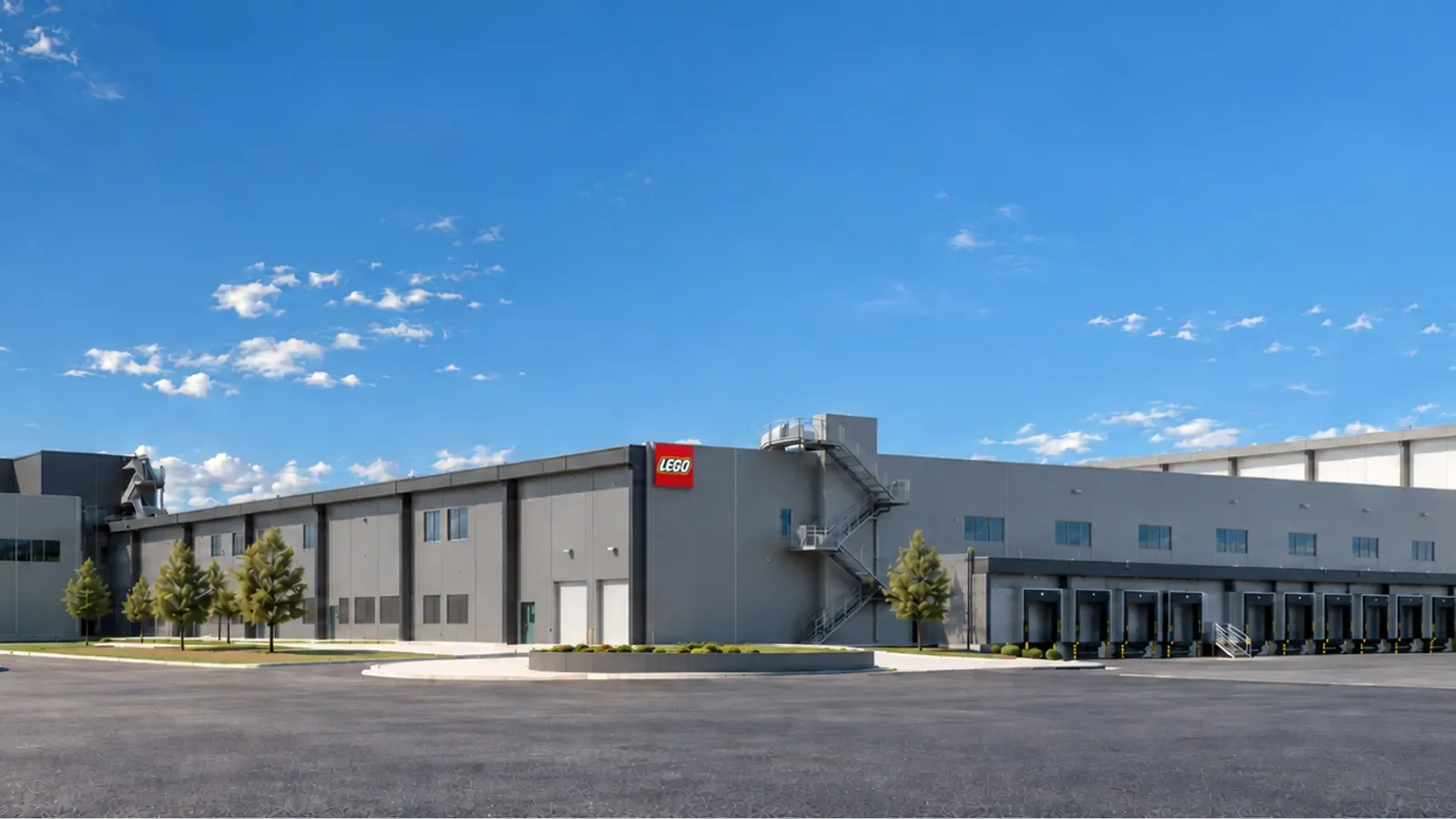
In a significant development, Skanska, the Swedish construction giant, has secured a hefty $1.2 billion contract with a currently unspecified client to create four new data centers in the Southeastern United States. This announcement highlights the growing demand for robust data infrastructure, particularly as the digital age leads to an increasingly data-driven economy. Notably, these data centers will span approximately 808,000 square feet and involve both the construction of the buildings' shells and the interior fit-outs designed for specialized technical operations. This isn't just another construction job; it reflects where the market is heading.
Work on these data centers is slated to kick off in the third quarter of 2026, with an anticipated completion date set for the third quarter of 2028. This timeline is ambitious yet pragmatic, reflecting both the urgency and scale of the project. Data storage needs are skyrocketing as businesses transition to cloud-based solutions and increased online activity requires enhanced cyber infrastructure. Skanska's ability to execute on such a grand contract demonstrates its established reputation in the industry, as well as the pressing necessity for advanced data facilities.
Amtrak's Tunnel Project Progress
Meanwhile, Amtrak has marked a milestone by completing the first phase of its $1.6 billion East River Tunnel Rehabilitation project. This significant achievement comes after some delays due to unexpected voids discovered during catenary installation, necessitating extensive engineering revisions. Since construction began last summer, work teams have undertaken an extensive overhaul of this 116-year-old tunnel, including replacing over 24,000 feet of rail and thousands of tons of ballast.
This project isn't merely about restoring vital train services; it underscores the importance of modernizing critical transit infrastructure for countless commuters who rely on these connections daily. Trains are a lifeline for many, and improvements in the Northeast Corridor are long overdue. The completion of this initial phase signals a renewed commitment to both safety and efficiency in a region where transit is part of daily life.
Phase two of this endeavor is set to commence this fall, with a target completion by the end of 2027. If you're using this transit option, the impact of these renovations will be felt sooner rather than later. Enhanced services could translate to reduced travel times and improve overall passenger experience—something that's been sorely needed.
Auburn University and Air Force Collaboration
In an intriguing move towards structural innovation, Auburn University has partnered with the U.S. Air Force to explore the development of redeployable mass timber barracks. This partnership aims to create temporary barracks-style housing that can be assembled quickly while performing efficiently in cold weather conditions. Such advancements can drastically alter how military housing is approached. The shift from traditional construction methods reflects an understanding of the pressing need for efficiency in emergency situations.
Professor David Roueche has emphasized the crucial role of prefabrication in this initiative. His assertion that this approach could significantly reduce onsite assembly time is compelling, especially in military contexts where speed can be a matter of strategic importance. The aspiration to move some of the construction work offsite aligns with broader industry trends towards modular and prefabricated structures, which often promise greater quality control and streamlined processes.
The significance of this collaboration extends beyond mere construction. By addressing modern military housing needs with a forward-thinking approach, this project stands as a response to the urgent requirements of various military operations. It'll be interesting to see how widely this model could be adopted, especially as the military seeks more effective solutions for its personnel.
Industry Executive Changes
The construction industry also saw notable leadership changes this week. For instance, 84 Lumber appointed Dustin Hauenstein as its new CFO, bringing over 25 years of financial experience. His appointment suggests a strategic move as the company navigates the ongoing challenges in the building materials sector, which has been under pressure due to supply chain disruptions and fluctuating demand.
In another significant shift, McShane Construction has named Jack Sommer as vice president of its Southeast Regional Office in Auburn, Alabama. Sommer's two decades of experience across various sectors could bolster the firm’s competitive edge in the current marketplace, an environment that demands agility and innovation.
Elsewhere, Craig Bryant’s transition to senior vice president at Manhattan Construction marks a significant organizational shift, enabling him to oversee operations in Florida. His extensive history of delivering over $2.2 billion in projects reflects not just individual capability but also a trend towards placing proven leaders in key roles to drive performance. These leadership transitions highlight a pervasive trend in the construction and infrastructure sectors, namely, the need for strategic vision and strong management to navigate shifting demands and market pressures.
Implications and Future Outlook
What these developments suggest is more than temporary projects or leadership realignments; they indicate a significant shift in how the construction and infrastructure sectors are likely to evolve. This is more significant than it looks. Underpinning these initiatives is a growing acknowledgement of the technological and logistical innovations necessary to meet the demands of a rapidly changing environment. The emphasis on building flexible, durable solutions—from data centers to sustainable housing—is set to shape the future of construction.
For those working in this space, staying attuned to these trends is vital. As urban environments continue to evolve and the pressure for improved infrastructure rises, understanding how these projects unfold will offer insights into market trajectories. You might find that the next wave of opportunity lies in adapting to these changes and responding effectively to the evolving needs of both consumers and the industry at large.
And remember, what happens next could set a precedent. The direction of these initiatives might guide future projects—both in terms of technology and construction practices. Keep a close watch.