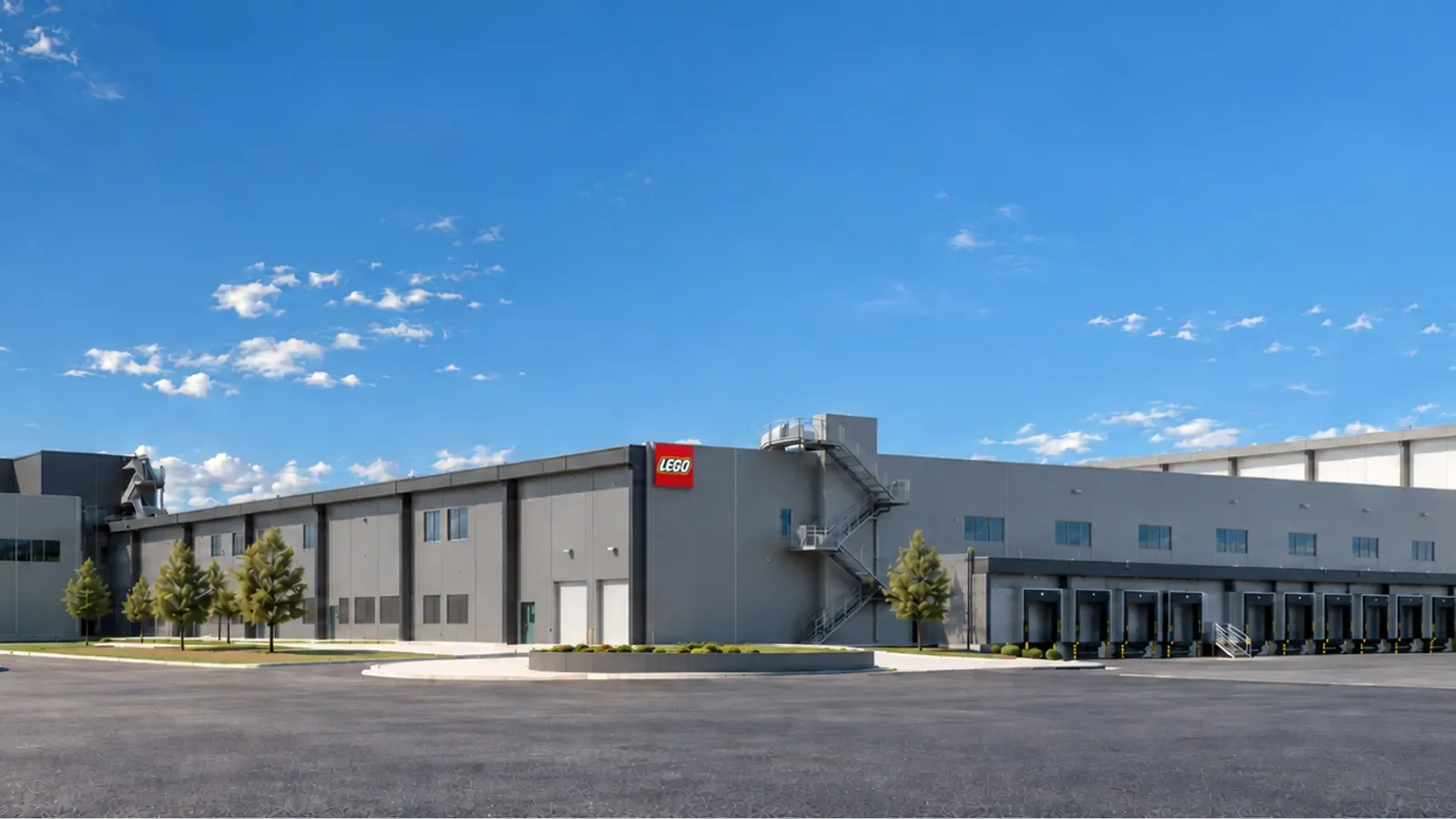
A groundbreaking ceremony has marked the initiation of the Torrance Groundwater Desalter expansion project in California. This high-profile joint venture between Jacobs and McCarthy Building Companies, announced on June 19, 2026, represents a significant long-term investment in local water resilience. However, recent confirmations have revealed that the project's budget has expanded from an original $160 million to approximately $185 million—a shift that could provoke scrutiny from taxpayers and stakeholders alike.
Background on Water Desalination in Southern California
Southern California has long faced the pressing challenges of water scarcity. The region's burgeoning population and agriculture demand a reliable and sustainable supply of potable water. Historically, this area has relied heavily on imported water sources, often from hundreds of miles away. Given the frequent droughts and climate change that continue to threaten water availability, local solutions like desalination are gaining increased attention. The Torrance Groundwater Desalter expansion represents one of these local solutions, strategically designed to address ongoing supply issues for the area’s residents and businesses.
As part of a broader strategy, the project addresses both immediate needs and the region's long-term water security. By expanding capacity, this initiative responds to a critical challenge that many communities in California are only just beginning to face seriously. Analysts have pointed out that while this facility may not be a silver bullet, it's a practical approach that could inspire other municipalities to adopt similar measures.
Project Details and Significance
Scheduled for substantial completion by October 2028, this project is poised to nearly double the facility’s capacity for potable water production. Mayor George Chen of Torrance emphasized this expansion's importance, framing it as a vital step toward improving community access to drinking water. The facility is expected to produce up to 7,100 acre-feet—or about 2.3 billion gallons—of drinkable water each year. This staggering output will not only nourish thirsty residents but also mitigate southern Los Angeles County's reliance on imported water sources. Sagrado Sparks, vice president of operations at McCarthy, stated that the expansion is crucial for enhancing local water security.
While the projected production figures are indeed impressive, the real measure of success will be how this water can alleviate existing strains on current resources. With ongoing debates about water management and environmental sustainability, achieving a balance will be vital. What this means for you, particularly if you're working in this space, is that scrutiny will likely increase as citizens demand accountability regarding water quality and availability from this venture.
Funding Sources and Structure
The financial underpinnings of this ambitious project add another layer to its story. Funding includes over $82 million acquired through grants and low-interest loans, with notable contributions from the U.S. Environmental Protection Agency’s Clean Water State Revolving Fund. Other financial sources encompass the U.S. Bureau of Reclamation’s Water Infrastructure Improvements for the Nation (WIIN) Act and the California Department of Water Resources’ Prop 1 Water Desalination Grant. This multi-faceted funding approach aims to minimize the financial burden on local taxpayers while securing essential resources needed for implementation.
The reliance on federal and state funds underscores a growing recognition of the need for partnerships in managing water resources. However, it also raises questions about the long-term sustainability of such funding models. Are these sources enough to support further expansions in the future? Or should we expect future projects to face more significant hurdles? The community’s reliance on these subsidies could affect future operational decisions—especially regarding maintenance and scalability of the facility.
Project Implications for the Future
This expansion forms part of the Water Replenishment District’s Brackish Groundwater Reclamation Program and stands as the most considerable capital project in WRD’s history, according to General Manager Stephan Tucker. He indicated that the project's impact goes beyond increasing water production; it also plays a part in creating additional groundwater storage capacity in the West Coast Basin. Enhanced storage will be essential for the region's ability to weather droughts and keep supply chains secure.
If water agencies and local governments can successfully execute projects like this one, it might encourage a wave of similar initiatives across the state. Tom Meinhart, executive vice president at Jacobs, remarked, “This is how communities get ahead of water challenges.” This sentiment is increasingly echoed by various stakeholders advocating for robust water management strategies. Still, it remains to be seen whether such initiatives can truly meet the rising demands and challenges posed by climate variability.
In an evolving climate landscape, the integration of advanced technologies and community engagement will be crucial. (And this is the part most people overlook.) Stakeholders must remain vigilant and proactive to ensure these facilities not only meet current demands but also anticipate future challenges.
Commissioning and Future Considerations
Overall, the Jacobs-McCarthy team anticipates commissioning the facility in 2029, marking a significant step toward enhancing the region's water infrastructure. This project is more significant than it looks; it could serve as a pilot program for similar undertakings throughout California and beyond. If successful, it may influence both policy and investment decisions in water resource management across various communities grappling with similar challenges.
The implications extend far beyond the operational metrics of the desalter. This investment in infrastructure is a litmus test for other cities facing severe water supply issues. Dare we hope for a ripple effect that prioritizes localized solutions for water? Will residents embrace new technology as essential tools in addressing their supply concerns? Only time will tell, but the stakes have never been higher.