Current Status of the Bay Minette Plant
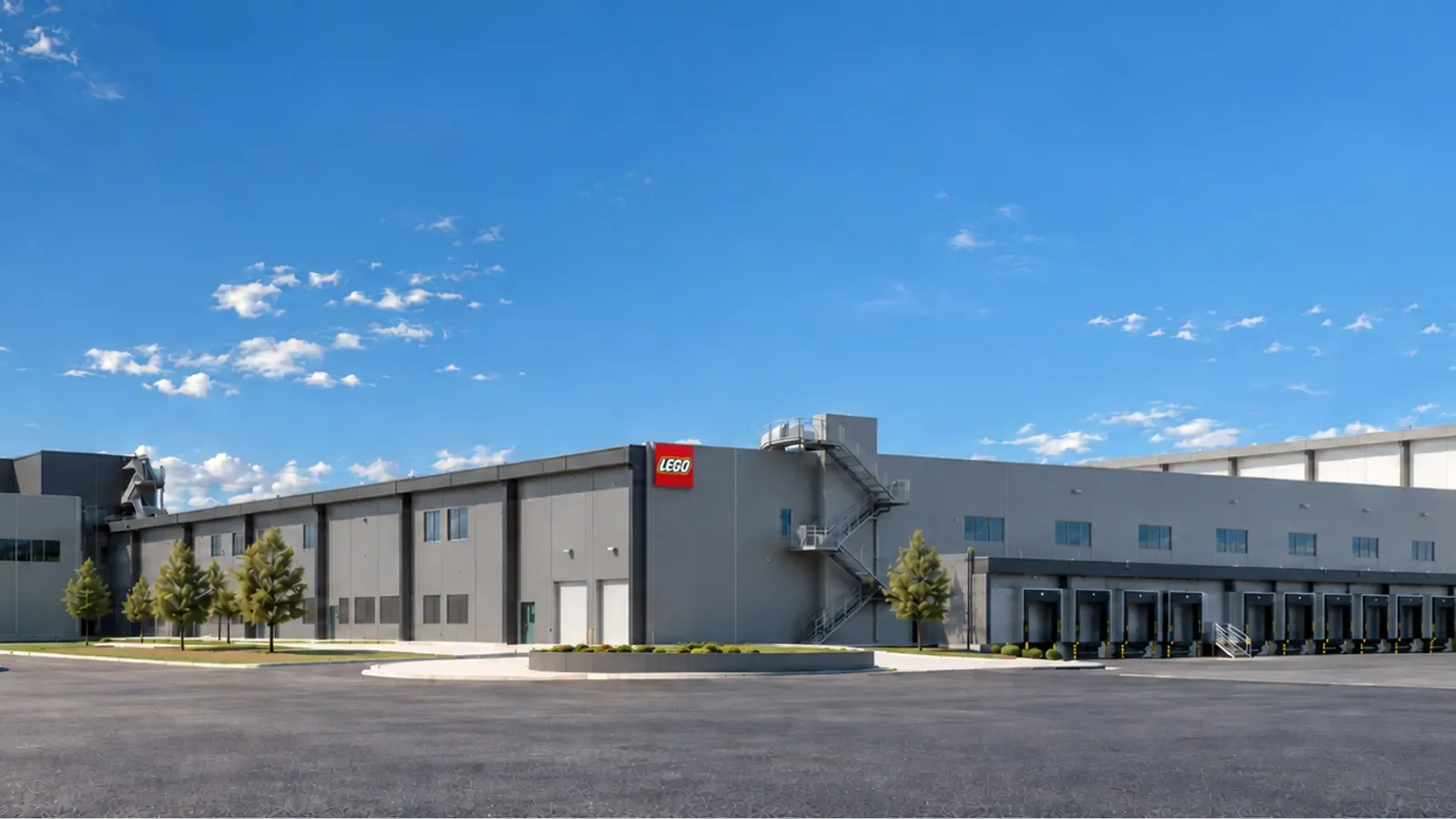
Fluor is finalizing construction on Novelis’ ambitious $5 billion aluminum recycling plant located in Bay Minette, Alabama. This substantial investment not only underscores Novelis' commitment to expanding its recycling capabilities but also highlights the growing demand for sustainable aluminum production. According to reports from Construction Dive, the project is slated to enter commissioning later this year, signaling a pivotal moment for both the company and the local economy.
Labor Developments
In a recent move, Fluor cut 66 jobs at the site as of July 31, which has been noted in Alabama's Worker Adjustment and Retraining Notification database. The decision to downsize raises concerns about workforce stability during such a high-profile project. This notification system is typically used for tracking layoffs when they exceed a certain threshold, attempting to provide some transparency into employment shifts. Layoffs in construction projects often create ripple effects in local economies, impacting surrounding businesses that rely on the workforce.
To put this into perspective, a workforce reduction at this stage might impact morale and productivity as the team gears up for commissioning. If you're working in this space, it’s prudent to monitor changes like these, as they may foreshadow financial or operational challenges that could affect project timelines.
Project History and Future Plans
This facility, which broke ground in 2022 with an initial budget of about $2.5 billion, now carries a revised cost estimate of $5 billion due to various project demands. The ballooning costs can often be attributed to fluctuating material prices and unexpected engineering challenges, common in large-scale construction projects. What's more significant is that Novelis has confirmed that upon completion, this will be the first new fully integrated aluminum recycling and rolling facility built in the U.S. in over 40 years, boasting a staggering production capacity of 600,000 metric tons of finished aluminum annually. It’s quite remarkable—and telling—how aluminum recycling is increasingly viewed as integral to sustainable manufacturing practices in the U.S.
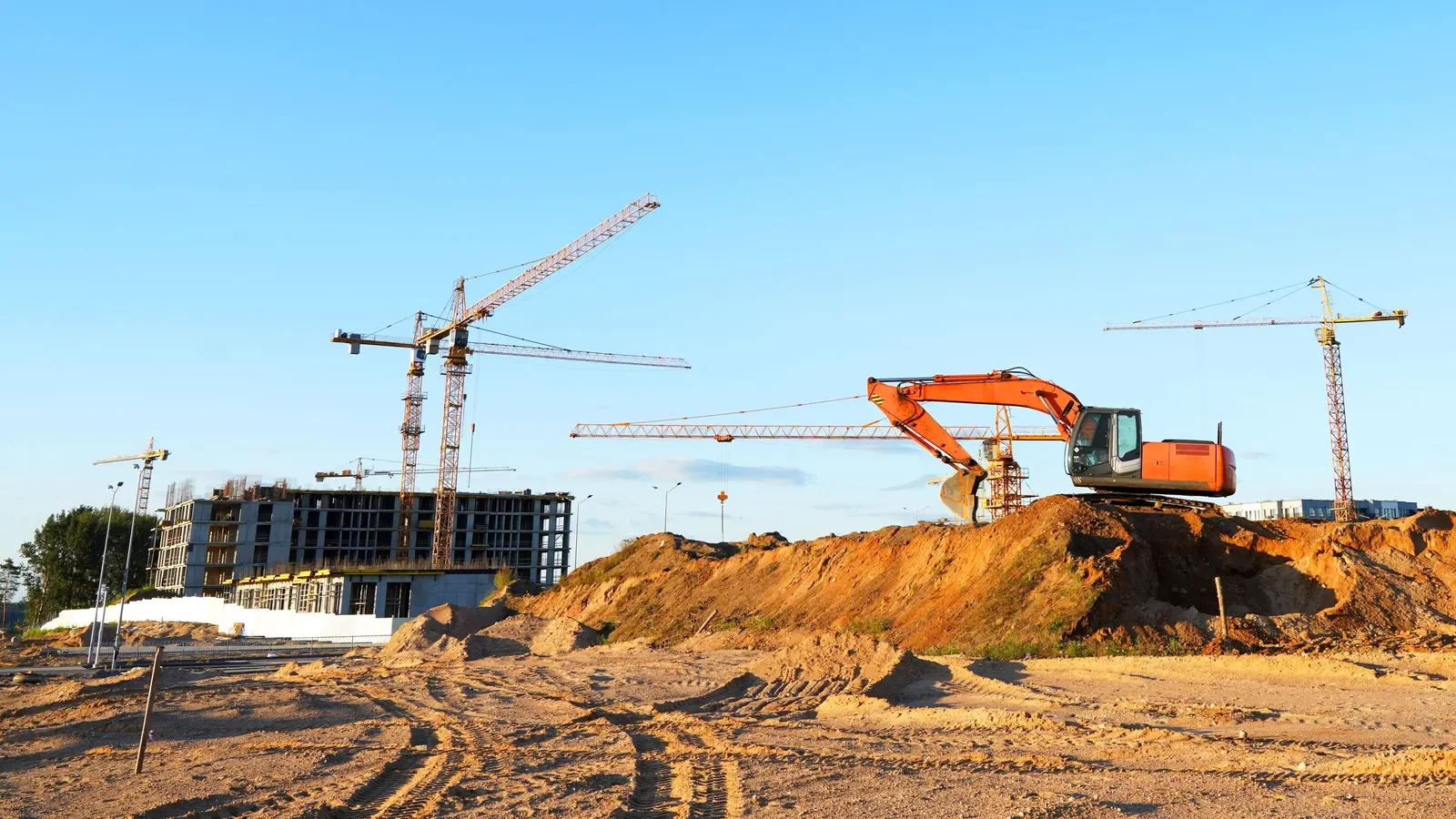
Fluor has played a substantial role in the engineering, procurement, and construction management of this project, achieving significant milestones throughout the construction phase. For example, in the second quarter of 2025, the teams successfully installed the hot mill housings amidst considerable groundwork operations, employing nearly 1,000 workers at that time. Recent updates from Novelis also indicate that components of the plant have started moving into commissioning as of March, which suggests that they are reaching critical junctures in the project timeline.
Looking ahead, with commissioning expected to commence before the end of 2026, the project appears to be on track to significantly enhance Novelis' capabilities in recycling and producing aluminum. This builds on a growing recognition of the need for environmentally friendly manufacturing practices, reinforcing the region's position within the industry. And yet, significant questions linger regarding the ultimate viability of job stability in the area as the project transitions from construction into operational phases.
Implications for the Local Economy and Industry
The establishment of this facility holds broader implications for the local economy in Alabama. More than just job creation, it represents a strategic pivot towards sustainable practices in a traditionally resource-intensive industry. Given the factors pushing for greener solutions in manufacturing, the Bay Minette plant could serve as a model for future projects. It's about more than aluminum; it's about setting industry standards.
However, the labor cuts might suggest a contradiction in projected growth narratives. While the facility is expected to boost local employment once operational, these layoffs may indicate a temporary misalignment in workforce needs versus project timelines. Companies in this sector must navigate not merely the financial but also the human dimensions of large-scale initiatives. That’s essential for ensuring long-term sustainability—not just in terms of materials but in community relations.
(and this is the part most people overlook) The ability of a facility like this to adapt and respond to market demands will be critical. The global aluminum market is notoriously volatile, driven by trade policies, tariffs, and evolving consumer preferences toward sustainability. If Novelis and Fluor can manage these fluid dynamics effectively, their operations in Bay Minette won't just add jobs; they'll establish a strong foundational economy capable of withstanding market pressures.
As we move closer to the commissioning phase, stakeholders will undoubtedly keep a watchful eye on operational training, integration of technology, and how management handles labor relations moving forward. Reassessing workforce needs periodically during this transition will be crucial. What happens next will not only shape Novelis' future but could also signal trends across the broader manufacturing sector, especially in areas focusing on sustainability. The challenge remains: will they effectively balance operational efficiency with community impact? Only time will tell.