The Lego Group has announced a substantial $400 million investment aimed at enhancing its manufacturing capabilities in Monterrey, Mexico. This expansion focuses on introducing new packing and warehousing facilities, thereby significantly increasing operational efficiency.
Details of the Expansion
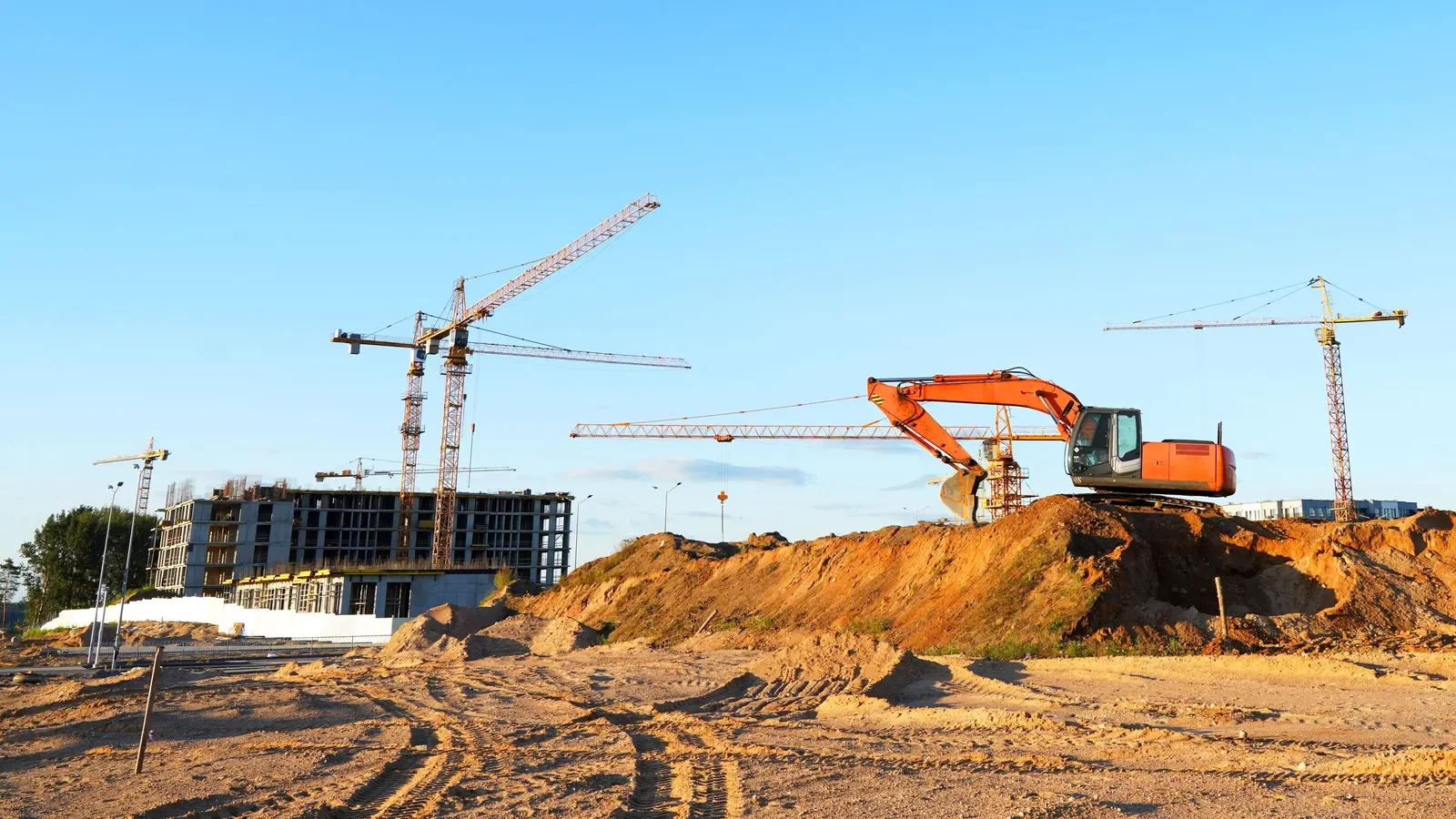
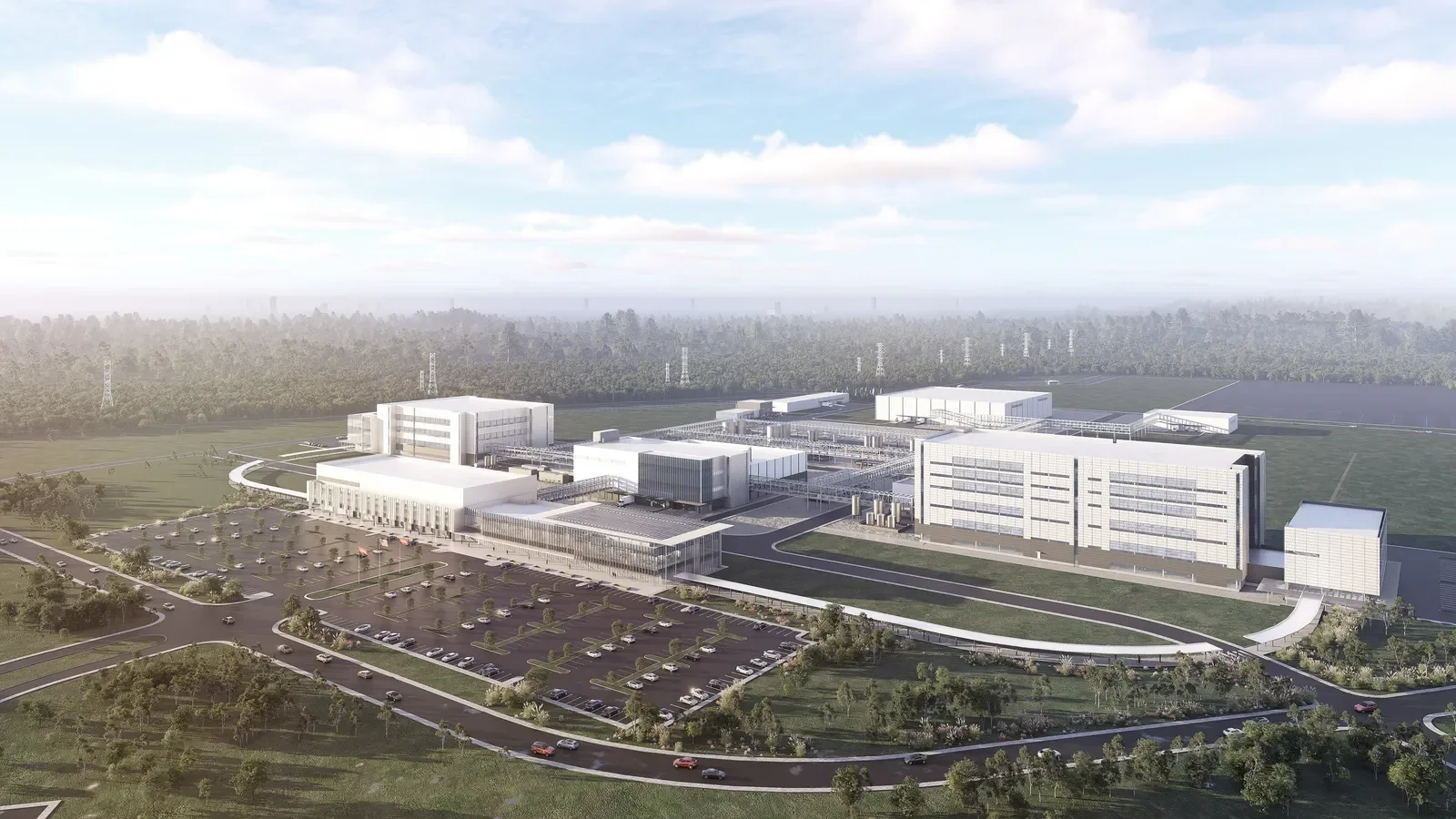
The project will add over 667,000 square feet of space at the Monterrey site, which is the company’s largest manufacturing facility. This growth includes a state-of-the-art packing hall and a fully automated high-bay warehouse designed to store large stacks of materials, optimally managed for space and retrieval efficiency. This significant expansion not only reflects Lego's ambition to modernize its operations but also highlights a trend among manufacturers to increase automation, which is becoming essential in meeting consumer demands for faster delivery times. The focus on automation indicates a shift toward a more technologically advanced production approach that seeks to minimize human error and enhance overall productivity.
Job Creation and Timelines
With the expansion, Lego aims to create approximately 1,300 new jobs, building upon its current workforce of 7,300 employees. Construction is slated to commence in early 2027, with completion targeted for 2029, thereby enhancing the factory’s production capacity to meet increasing consumer demand across the Americas. This job creation is significant not only for local employment but also speaks to a growing concern in the manufacturing sector: how to align workforce skills with advancing technology. These new positions are likely to be filled by individuals who are not just laborers but also skilled technicians, indicating a shift in the labor market toward higher-skilled jobs.
Operational Significance
The Monterrey facility plays a vital role in the company’s supply chain, managing the entire process from product molding to packaging. According to Nancy Sánchez, general manager of the Monterrey factory, this strategy is central to Lego's commitment to maintaining a flexible supply chain, allowing the company to adapt swiftly to market demands. This adaptability is critical in today’s market, where consumer preferences can change rapidly, necessitating a manufacturing system that can pivot quickly. Lego's operation in Monterrey serves as a linchpin in its distribution network, exemplifying how strategic manufacturing locations can serve as crucial nodes in an increasingly complex global supply chain.
Long-Term Commitment to Mexico
The expansion reflects Lego's continued investment in Mexico, a relationship developed since the facility commenced operations in 2008. Sánchez notes that this growth aligns with the company's mission to provide training and professional development opportunities for its workers, further emphasizing their commitment to the local workforce. This investment in human capital lays the groundwork for a more competent workforce, which is essential as manufacturing technologies evolve. It’s an investment that not only benefits the company but also uplifts the local community by providing skills that are transferable beyond Lego.
In addition to job training, which will include skills for operating advanced manufacturing technologies and leadership development, the company collaborates with local educational institutions to align workforce skills with current industry needs. This approach not only helps ensure a well-trained workforce but also fosters a deeper relationship between the company and the community, which can pay dividends in local support and loyalty.
Sustainability Initiatives
Lego is also making strides toward sustainability within its operations. The Monterrey site features innovative measures, such as rooftop solar installations and water reuse systems. This addition is part of a broader trend where companies are not just focusing on profitability but also on how their operations impact the environment. The company's goal to reduce its greenhouse gas emissions and transition towards sustainable packaging solutions, phasing out single-use plastics by 2027, underscores this commitment. Such initiatives could enhance brand loyalty among environmentally conscious consumers and is increasingly seen as a necessary action rather than a choice.
Future Plans
As the company looks ahead, the Monterrey site will continue to play an essential role in Lego's manufacturing strategy, particularly with its plans for a second facility currently under construction in Chesterfield, Virginia. This investment of over $1.5 billion will complement the operations in Monterrey, reinforcing Lego’s potential for growth in North America. The Chesterfield facility is not a standalone project; it's a part of a concerted effort to bolster Lego's presence in one of the most significant toy markets in the world while ensuring faster turnaround and distribution times across the continent.
Implications and Future Outlook
The announcement regarding the Monterrey expansion underscores Lego's intention to not only boost job creation but also establish itself firmly within the shifting dynamics of global manufacturing. This position is crucial, especially as companies globally face challenges related to supply chain disruptions and labor shortages. If you're working in this space, it's critical to analyze how such expansions might influence competitive positioning within the industry. By investing heavily in both infrastructure and workforce development, Lego is signaling that it aims not just to survive but to thrive amid these challenges.
Ultimately, as the company solidifies its manufacturing capabilities and invests in its people, it appears poised to meet future demands for its iconic products. The stakes are high, and the implications for growth are profound. With consumer preferences ever-changing and sustainability on everyone’s mind, Lego’s strategic moves could serve as a blueprint for success in manufacturing for years to come.