Sundt Construction Initiates $92 Million Expansion of Pecan Creek Water Facility in Denton, Texas
Sundt Construction has begun the $92 million expansion of the Pecan Creek Water Reclamation Plant in Denton, Texas, to accommodate rapid regional growth.
Sundt Construction has officially started work on a significant expansion of the Pecan Creek Water Reclamation Plant in Denton, Texas. The $92 million project, a guaranteed maximum price contract awarded by the city in February, aims to enhance wastewater management capabilities in the rapidly growing region.
Project Overview and Scope
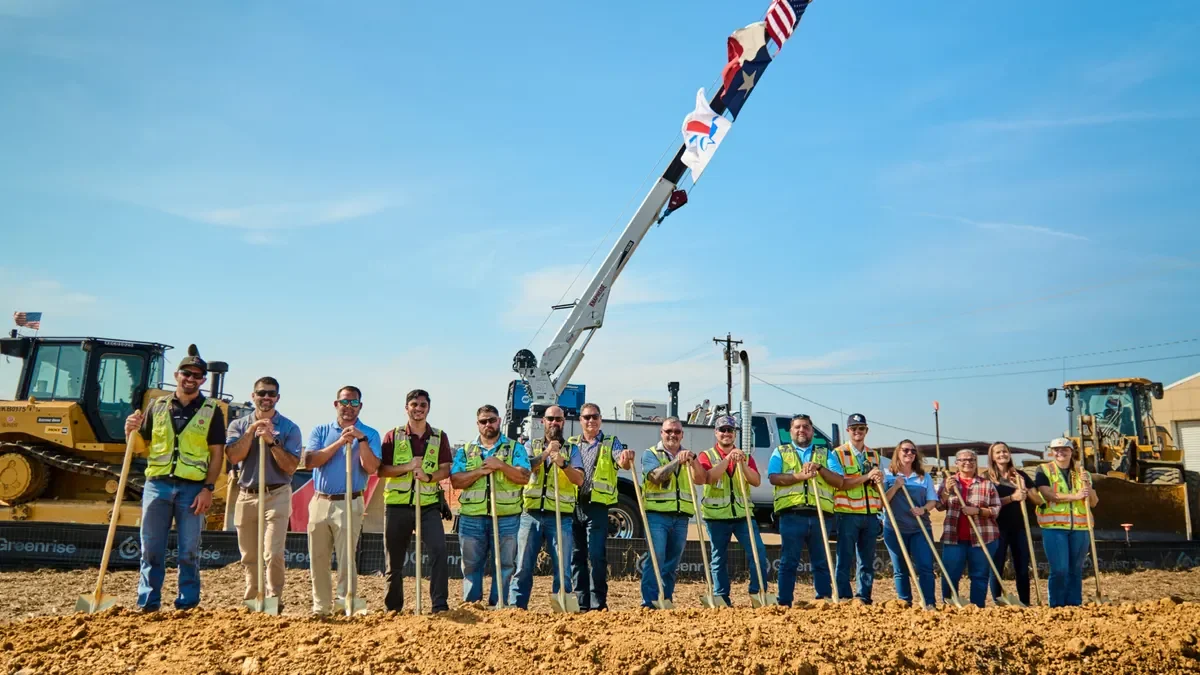
Stakeholders participate in the groundbreaking for the Pecan Creek Water Reclamation Plant expansion on September 18, 2026.Courtesy of Sundt Construction
Sundt's expansion project includes constructing a new headworks facility capable of processing about 75 million gallons per day. In addition to this pivotal upgrade, there's a significant buildout of a membrane bioreactor that will handle an additional 30 million gallons per day. What might seem like just numbers is part of a larger push towards sustainable water management practices, which are essential for communities experiencing rapid growth.
Moreover, the plan features upgrades to the site's ground utilities. This will guarantee seamless integration with the site's existing infrastructure. That's important; disruptions to current services during such undertakings can have widespread repercussions for the community.
Operational Continuity During Expansion
According to Matt Bothun, Texas regional manager for Sundt's water and wastewater sector, this project is designed to deliver essential upgrades while maintaining operations of the current facility throughout construction. “Through advanced treatment solutions and strategic phasing, we’re delivering critical improvements while keeping the existing facility fully operational and untouched,” he explained.
This aspect of the project highlights a growing trend in construction management—balancing expansion with ongoing operations. If you're working in this space, you understand the complexities involved in coordinating new construction with existing systems. There's often a risk of service interruption, which can frustrate residents and local businesses alike. Sundt's commitment to operational continuity isn’t just smart; it's necessary.
Population Growth as a Driving Factor
This expansion is set against a backdrop of population growth in Denton. The city, which had around 150,000 residents in 2020, is projected to exceed 200,000 by 2030. Such rapid increase puts immense pressure on local infrastructure, including wastewater management systems, and it raises the stakes higher for municipalities to invest in enhancements.
In Texas, cities are not just growing; they are developing swiftly, often outpacing the infrastructure needed to support this growth. Denton's proactive approach to expanding its wastewater treatment capabilities is a case in point. What this means for you is that municipalities like Denton are increasingly recognizing the urgency of addressing essential services in tandem with population shifts, setting a paradigm for other rapidly growing areas.
Market Trends in Water Infrastructure
Aside from the Pecan Creek expansion, there’s a notable trend of other companies, including Ferrovial and Burns & McDonnell, securing substantial contracts for water projects. These contracts reflect not only a growing focus on modernized water treatment solutions but also the competitive nature of the industry in Texas. In fact, in the last year alone, there have been projects worth $721 million in Austin and Fort Worth, as well as $80 million in San Marcos.
These figures illuminate a systemic effort within the state to modernize water infrastructure. Cities expanding their footprint are also compelled to invest heavily in the systems that clean and manage wastewater. Yet, while this push signifies progress, it also raises questions about where the funding is coming from and if it's sustainable over the long term.
Implications for Local Communities and Future Outlook
The significance of the Pecan Creek Water Reclamation Plant expansion goes beyond mere numbers. It's a clear indication of how municipalities are adapting to growing needs. As Denton aims to accommodate a larger population, the demand for water services increases correspondingly. This project isn't just about building; it's about preparing for the future.
However, challenges lurk beneath the surface. While the immediate needs are being addressed, the long-term implications of rapid growth must also be considered. Will the systems in place be able to handle future demands? Are current environmental policies sufficient to manage increased wastewater without impacting local ecosystems?
Denton's initiatives in this regard can provide valuable lessons for other cities facing similar pressures. By monitoring planning, execution, and outcomes closely, stakeholders can better understand the interplay between infrastructure and community growth. The future may hold more expansions like this one, but whether they will be executed seamlessly, without gaps or operational disruptions, is still an open question.
In sum, the expansion of the Pecan Creek Water Reclamation Plant is far more than just a construction project; it's a vital step toward sustainable growth in a rapidly changing landscape. Only time will tell how effectively these enhancements will serve Denton and what that means for other communities looking to expand their own infrastructures.