A few years back, sellers had the upper hand in negotiations, frequently refusing requests for repairs or any concessions. Buyers who wanted the house had to accept terms that favored sellers. However, with a significant increase in housing inventory, that dynamic has changed, and negotiations have resurfaced as a critical aspect of the sale process.
What’s essential for sellers today is recognizing that the objective isn’t about overcoming each negotiation. It's often beneficial to find common ground and meet buyers halfway to close a deal efficiently. This might mean assisting with buyers' closing costs.
Understanding Buyer Closing Costs
Buyer closing costs encompass various expenses beyond the down payment that a buyer must cover during a home purchase. According to Freddie Mac, these costs typically include:
Loan origination fees
Appraisal and inspection costs
Title and attorney fees
Survey and other related fees
Typically, buyers can expect these closing costs to range from about 2% to 5% of the home's purchase price. For instance, on a standard $400,000 home, this translates to an outlay of between $8,000 to $20,000. In today's market, where affordability is a challenge, this upfront cash can significantly hinder potential buyers.
Increasing Seller Willingness to Help
New data from Zillow indicates that a notable 67% of sellers reported assisting with some or all of the buyer's closing costs in 2025. This uptrend illustrates how negotiations have evolved in response to shifting market conditions:
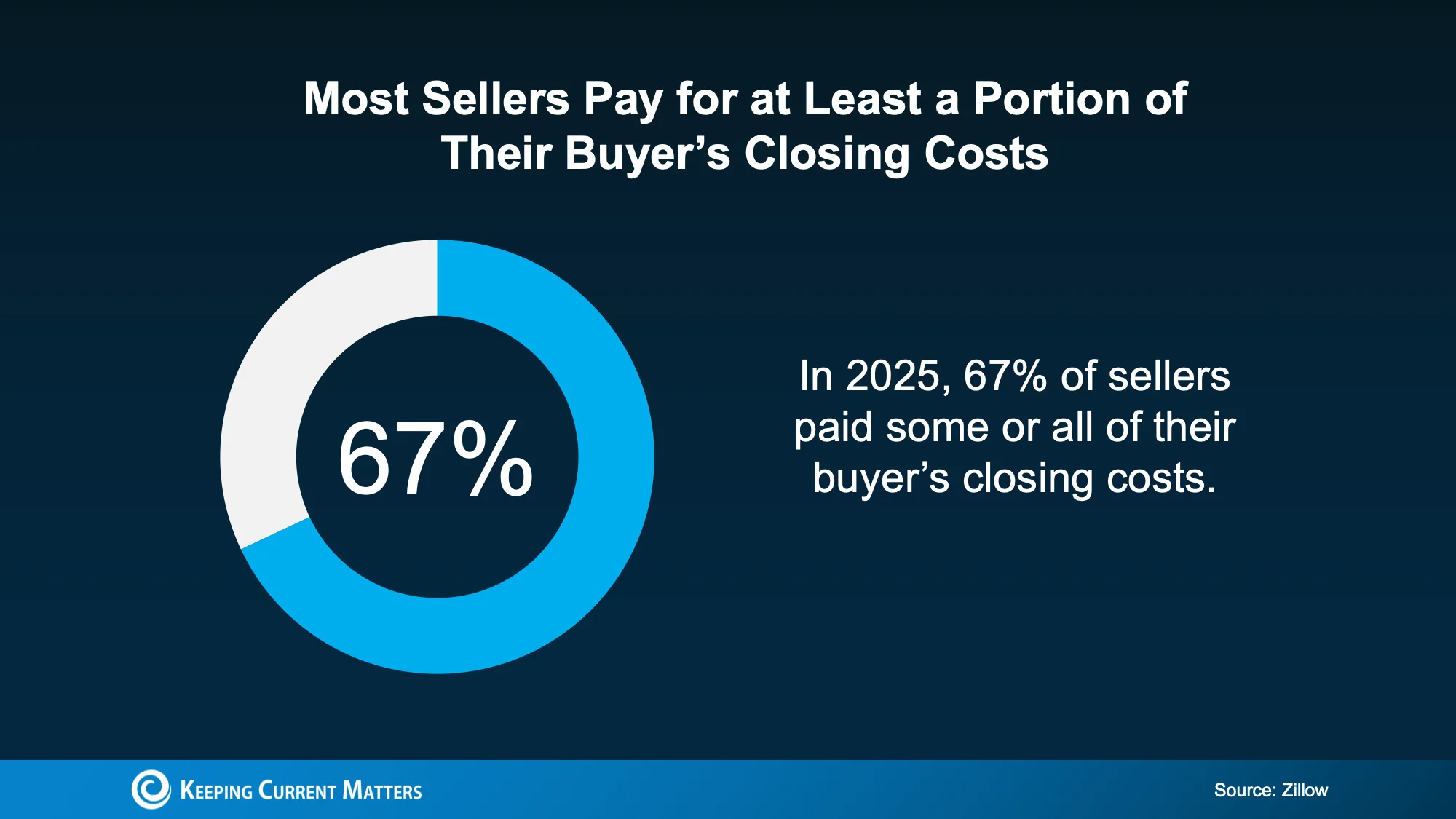
This doesn’t imply that every seller is obliged to contribute towards closing costs, nor should they universally agree to such requests. However, it showcases the increasing prevalence of concessions as a strategic response to the market's demands.
Assessing When Covering Closing Costs Makes Sense
Sellers often hesitate when confronted with the request for help with closing costs, questioning why they should foot the bill for buyer expenses. It's crucial to reconsider this stance by evaluating the current market dynamics, where the balance of power is shifting.
Data from Redfin reveals a landscape where the number of sellers surpasses active buyers. This trend alters negotiation dynamics:
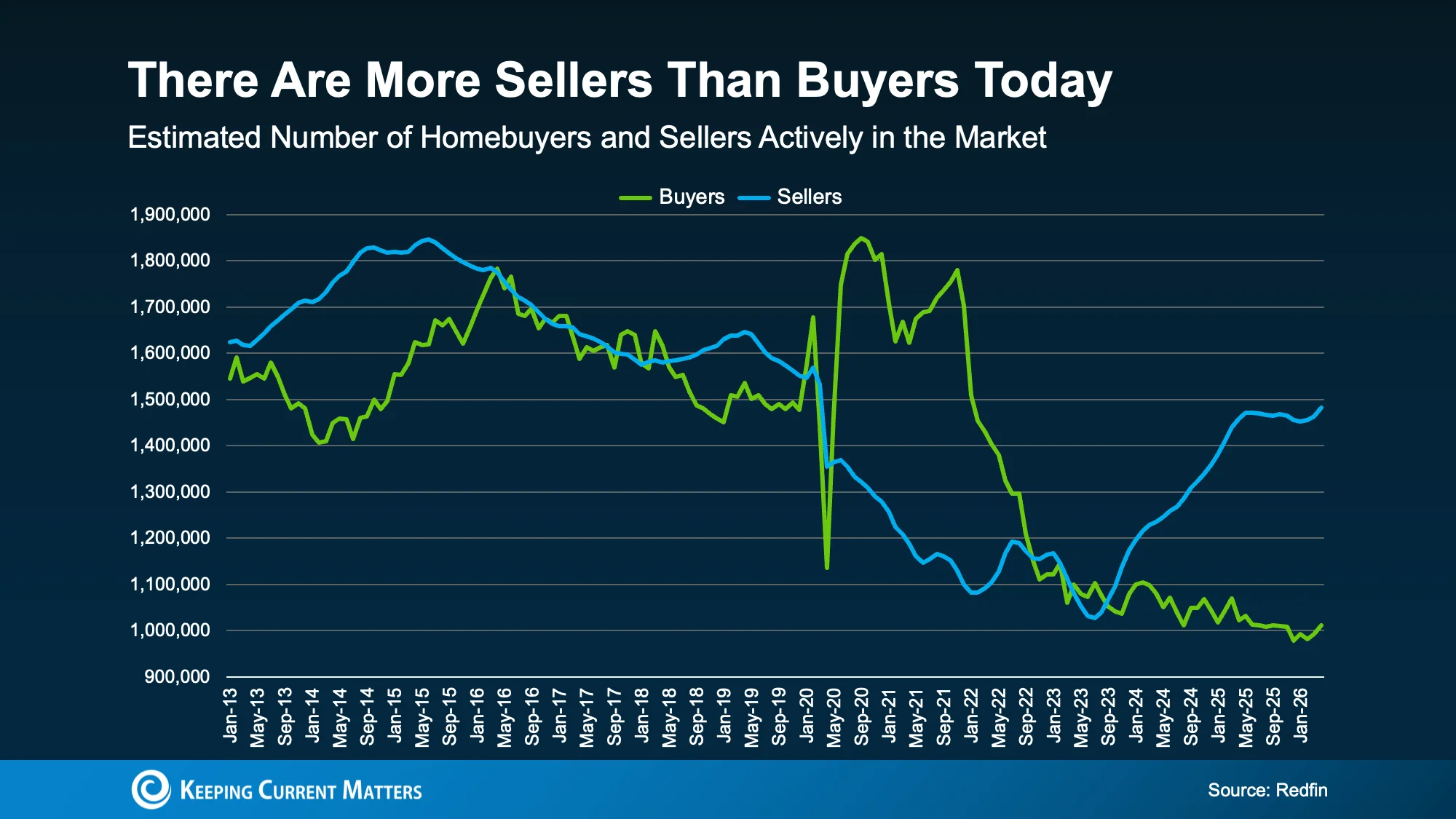
Notably, this doesn't mean all markets favor buyers—some properties are still highly sought after, imbuing sellers with considerable leverage. However, in certain areas, buyers are gaining negotiation power akin to pre-pandemic conditions.
Local market nuances are paramount in this decision-making process. Assisting with closing costs might warrant consideration if you’re facing any of these scenarios:
High inventory levels in your neighborhood
Your property has lingered on the market longer than anticipated
You've had showings but no offers
You’re eager to conclude the transaction swiftly
You’re looking to maintain interest during negotiations
If supporting buyers financially nudges them closer to making an offer, the investment could pay off.
Alternative Concessions to Consider
Flexibility doesn’t equate to acquiescing to every buyer demand. It's about discerning which compromises can facilitate your objectives. Alternatives exist that could prove beneficial without directly impacting your bottom line, such as:
Providing a home warranty
Offering repair credits
Setting flexible closing dates
Leaving behind appliances or furniture
The best course of action hinges on the specific demands of buyers in your market and your priorities as a seller. Partnering with a knowledgeable local agent can provide critical insights into which concessions may be beneficial.
Final Thoughts
Success in today's real estate market is predicated on adaptability. Sellers who grasp the nuances of current conditions and adjust their strategies accordingly are more likely to achieve favorable outcomes. Whether that involves negotiating on closing costs or providing alternative concessions depends on the unique circumstances at play. For tailored advice on what concessions make sense in your locality, engaging with an experienced agent is a wise step.