Meet Joe Farrell: The Architect of Controversial Luxury
Joe Farrell is not just a name in the Hamptons; he’s a symbol of the luxurious yet divisive real estate trend that has shaped this elite coastal enclave. With a portfolio exceeding 400 opulent homes, his impact is impossible to ignore. On a sun-soaked day, he drives through the very neighborhood where his mega-mansions sit, grinning and exclaiming, “Do they look bad to you? They’re gorgeous!” The man’s confidence is palpable. Critics might loathe his high-end McMansions, but for Farrell, each structure is a testament to his vision and success.
His signature designs can be described as lavish and exaggerated interpretations of classic Hamptons farmhouses. These are not humble abodes; they often feature dual kitchens, soaring foyer ceilings, and can have up to 15 bedrooms. Detractors, particularly from the more artistic and preservationist segments of the East End, have likened the proliferation of his properties to an invasive species, dubbing it the “Farrellization of the Hamptons.” Notably, Harrison LeFrak, heir to a significant real estate empire, expressed alarm in 2014 over Farrell’s influence, warning against transforming the historic region into a landscape reminiscent of suburban Long Island, crying out, “It must not become a film set for *The Real Housewives*.” Such comments don't deter Farrell, who simply quips, “I take it as a compliment.” For LeFrak, he adds less kindly that he views him as “a spoiled billionaire kid who’s never done anything in his life.”
Changing Tides in Hamptons Real Estate
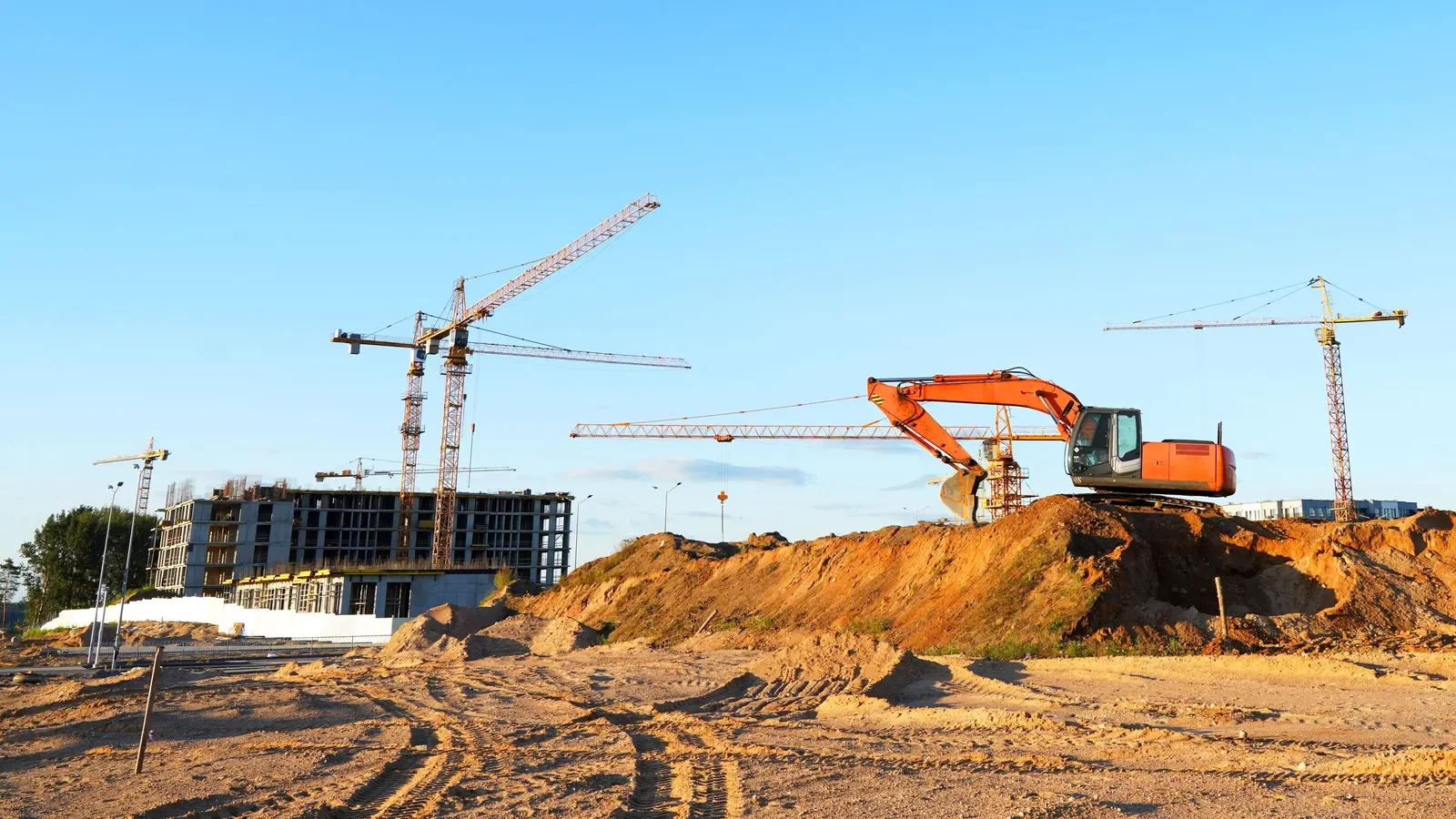
Fast-forward to today, and some of LeFrak's fears have materialized. Farrell continues his pursuit of grandeur—his work prominently features in popular culture, even appearing on *The Real Housewives* in 2020. Over the years, he has adapted his architectural style to current market preferences, offering three primary designs: the boxy modern homes that reigned from 2019 to 2025, traditional farmhouses that have historically dominated, and the recently favored “transitional” style that melds elements of both. Glass homes, designed to optimize the stunning ocean views, remain a staple for oceanfront properties. At the construction site of a recent project, Farrell shares with pride the transitional house he scooped up for $11 million, which he describes as a knockdown: a typical fate for most older homes in the area.
The shift in architectural style also reflects changing buyer demographics. Once regarded as a playground for young Wall Street elites, the area now attracts older, ultra-wealthy buyers. Farrell notes a stark transformation in property values: where $6 to $7 million once secured a home on an acre, those prices now buy just the land. If you're looking for a beach proximity, expect to start at around $20 million for a home, with luxury amenities skyrocketing the price. The market continues to see significant players entering, such as Australian hedge-fund manager Greg Coffey, who bought a Southampton compound for a staggering $105 million, showcasing that the allure of the Hamptons remains as potent as ever, even amid rising prices.
This evolution encapsulates not just a trend in housing but a shift in the very character of the Hamptons—a transformation defined by luxury, accessibility, and yes, controversy. If you’re navigating this space, understanding how real estate like Farrell’s shapes not just property values but community sentiments is essential.Farrell's Vision vs. Traditional Tastes
Critics of Joe Farrell often dismiss his developments as mere pandering to the wealthy elite. He defends himself by arguing, "Someone's gonna build it." This perspective starkly contrasts with the Hamptons' historical architectural narrative. Back in the mid-2000s, a high-profile collaboration between noted architect Richard Meier and developer Harry Joe Brown Jr. aimed to create an avant-garde community in Sagaponack. Yet, that ambitious project never came to fruition; a New Yorker review pointedly remarked that not a significant number of Wall Street elites would even consider inhabiting Brown's designs, underscoring a disconnect between taste and market demand.
The Impact of Personal Aesthetic
Farrell’s architectural imprint on the region is unmistakable, primarily emphasizing extensive, luxurious interiors at the expense of exterior aesthetics. He prioritizes vast indoor spaces, often bringing structures precariously close together—a design choice that has sparked complaints from some local residents. Notably, while detractors grumble that his so-called McMansions obstruct the stunning sunsets, Farrell shifts the blame onto the surrounding trees. “People think because they’re big, they’re great,” he quips, advising clients to replace towering trees with more modest hedges to enhance views.
A Controversial Figure
During a recent drive through Bridgehampton, Farrell pointed out a neighboring property owned by Howard Lutnick, who served as Trump's Commerce secretary. This anecdote opens a door to understanding why some in the Hamptons harbor animosity toward him. In 2019, Farrell hosted a significant fundraising event for Trump at the Sandcastle, solidifying his status as a controversial figure. Competing with other notable right-wing elites for the privilege, Farrell received an insider tip that his home was selected—“Don’t tell anyone, but you got it,” a friend whispered.
Business Consequences and Personal Lessons
The fallout from the event, while personally fulfilling for Farrell, had damaging repercussions on his business dealings. “It hurt me a lot. I lost a lot of business from it,” he reflects, yet he stands by his decision. "I had to teach my children to take a stand for whatever you believe in,” he said, even as he casually notes his skepticism regarding climate change. At the fundraiser, which ultimately amassed $12 million for Trump, Farrell even cheekily asked the president to promote his home. Trump obliged, extolling its virtues repeatedly from the stage—a move Farrell certainly saw as a marketing coup.
Shifting Focus to Workforce Housing
Farrell’s current endeavors in real estate are not without their own controversies. With available land dwindling, he’s expanding his ventures southward, constructing homes in Wellington, Florida, and recently opening a storage facility in Bridgehampton. His most audacious project yet—a mobile-home park in Eastport designed for lower-income workers priced out of the Hamptons—reveals a surprising pivot. “There’s no place for them to live,” he admits, acknowledging the gap caused by developments like his own.
Despite promising “luxury, comfort, and convenience,” local residents are far from thrilled, arguing that the initiative will lead to overcrowding and potential environmental issues. Farrell, undeterred, counters, “They make fun of my McMansions, and now, it’s the first time I’ve ever built affordable homes for normal people out East, and you guys are stopping me?” Whether this mobile-home development will reshape his public image remains to be seen, but it undoubtedly adds another layer to an already complex narrative about wealth and housing in the Hamptons.A Look Ahead: Navigating Challenges in the Housing Market
As we wrap up our exploration of the current property market, the existing challenges and trends paint a complex picture. The data indicates a stagnation in price growth, raising questions about the market's dynamism. Isn’t it curious how the national average seems to diverge from local realities? Urban areas often face different pressures than rural regions, and this inconsistency can skew perceptions and expectations.
Today's buyers are weighing their options more carefully than ever. With rising interest rates and inflation concerns looming, prospective homeowners may hesitate, which could lead to further slowing in the market. This hesitation reflects a broader sentiment where potential buyers are grappling with risk versus reward, ultimately pausing their ambitions of homeownership.
What this means for real estate professionals is clear: adaptability is key. While some might argue the market will cycle back to its previous highs, others contend that we’re entering a more cautious era characterized by tempered expectations. It’s essential to be ready for periods of volatility and slow growth.
The question on most investors' minds is this: Are we seeing a temporary plateau, or is this the beginning of a prolonged adjustment phase? Unfortunately, the data isn't conclusive. This uncertainty creates both challenges and opportunities for savvy investors who can navigate through shifting market conditions.
Looking ahead, keep a close eye on how economic indicators evolve. For anyone involved in real estate, understanding these patterns will be vital. The key takeaway? Staying informed will empower you to make strategic decisions as the market continues to reshape itself.