Republic’s wastewater upgrade pairs a higher treatment ceiling with a different approach to delivering a large public works project. Burns & McDonnell has completed Missouri’s largest membrane bioreactor system at the city’s water reclamation facility, lifting capacity to 5 million gallons per day as part of a $145 million infrastructure program. The headline figure describes the facility’s treatment capacity; the wider program also addresses the collection system and wet-weather flows, which can put pressure on wastewater operations.
That combination matters. A treatment plant can only perform as intended if the infrastructure feeding it can manage changing conditions, and added capacity alone doesn’t resolve every constraint in a municipal system. Republic’s work brings plant upgrades and collection-system projects under one broader investment effort. The practical test will be how well those pieces work together as the city takes on future projects.
Capacity and project scope
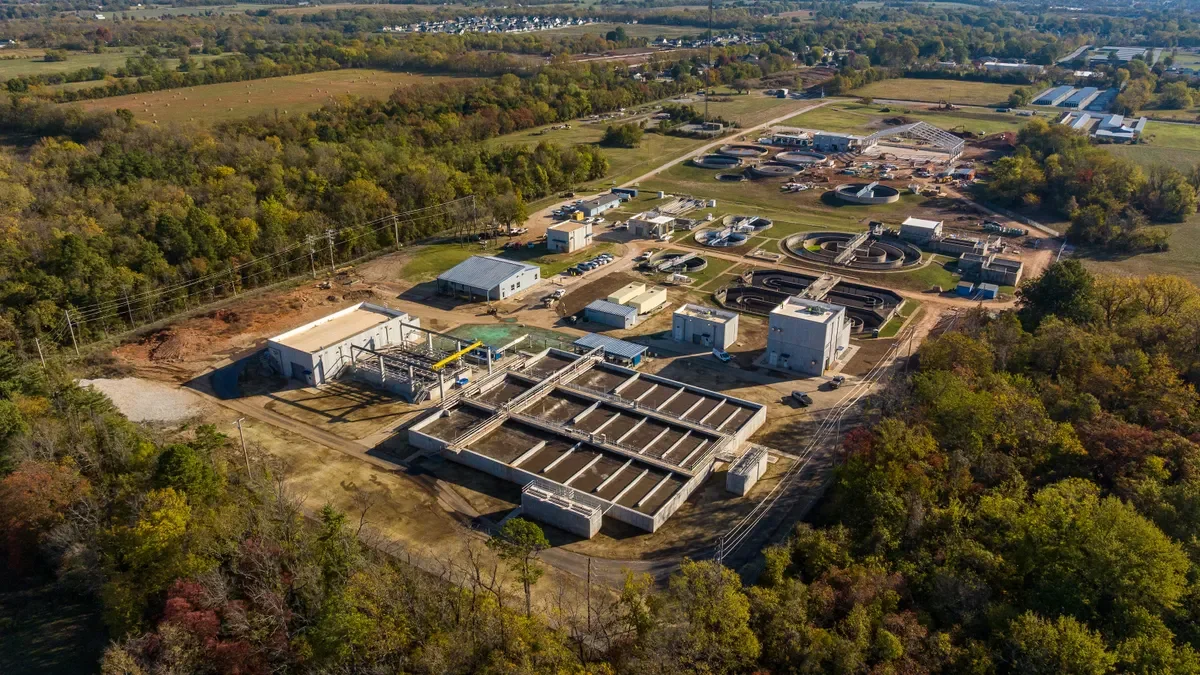
The expanded facility includes a membrane bioreactor treatment system that the Kansas City-based contractor describes as a first for Missouri. Its capacity is now 5 million gallons per day. That added headroom is intended to help the city address compliance challenges and support future projects, though the announcement doesn’t specify the scale or timing of those projects.
Membrane bioreactors combine biological treatment with membrane filtration. In general, systems in this category can produce treated water while using a smaller footprint than some conventional treatment configurations, but their performance depends on design, operating conditions and maintenance. The technology label by itself doesn’t tell readers how much the plant’s day-to-day operations will change. The stated capacity increase is the clearest measure of what the project adds.
The broader program also covers peak wet-weather improvements and three collection-system projects. That scope points to a familiar challenge for utilities: wastewater infrastructure has to manage ordinary flows as well as periods when rain and other wet-weather conditions place added demand on the system. Plant capacity is one part of that equation; the pipes and other collection assets that carry wastewater to the facility matter too.
Republic is funding the $145 million program through direct allocations, state revolving fund loans and revenue bonds, according to the company’s Oct. 29 announcement. The mix shows that the work draws on several public financing sources, while leaving the specific share of the total assigned to each source unstated. The facility work is one part of a wider effort to improve the city’s wastewater infrastructure.
Delivery shaped by cost pressures
The project marks Republic’s first use of progressive design-build, an approach in which an owner and project team work together through design and construction planning. That collaboration can help identify cost and operational constraints earlier than a process that separates design from construction, although it doesn’t remove the need to make trade-offs when estimates exceed the available budget.
Here’s the thing: early estimates came in above budget, so the team used value engineering to reduce costs while retaining the original treatment goals. Value engineering can involve revisiting design choices and construction methods to find savings. The announcement doesn’t identify the specific changes, which makes it difficult to judge where the savings came from or what options were weighed.
The city and Burns & McDonnell began collaborating on a water and wastewater master plan in 2017. That longer planning relationship may have helped the team connect the facility project to the city’s wider infrastructure needs. It also provides context for the delivery choice: progressive design-build was used on a project where cost, continued operations and staff readiness all had to be considered together.
“Working as one team helped us respond to cost pressures, plan construction around ongoing operations and prepare staff to operate the new systems,” said Alli White, operations manager at Burns & McDonnell.
Keeping a treatment facility running while upgrading it is a real constraint. Construction sequencing has to account for existing operations, and staff need to be ready to run equipment once the work is complete. (And this is the part most people overlook.) A finished project’s usefulness depends not just on installed equipment, but also on whether the people responsible for operating it can take over effectively.
A wider market pipeline
Water infrastructure work is advancing across the country amid aging systems and environmental concerns. Jaren Murphy, president of water at McCarthy Building Cos., told Construction Dive in August that nearly every large municipality or water resource district has a capital improvement plan exceeding $1 billion, with many planning plant upgrades. He said the market had grown considerably over the previous five years.
Those comments describe a broad pipeline, but they don’t establish that every planned project will proceed on the same schedule or at the same scale. Municipal programs often compete for funding and must balance immediate repairs with long-term capacity needs. For contractors, the opportunity can extend beyond construction into planning, startup and operational support.
Burns & McDonnell expects continued demand into 2027. Ron Williams, the company’s vice president of water operations, said clients are seeking teams that can guide projects from defining water quality needs through construction, startup and operational support. Republic’s expansion, he said, reflects that broader scope.
What the project signals
Republic’s upgrade is more significant than the capacity number alone suggests. It combines treatment expansion with wet-weather work, collection-system projects, a new delivery method for the city and preparation for ongoing operations. Those elements show how infrastructure programs increasingly have to solve several connected problems at once, even when public announcements provide limited detail about each component.
If you’re working in this space, the project’s cost history is as instructive as its technology choice: the early estimates exceeded budget, and the team then sought savings while keeping the treatment objectives. That’s a reminder that a project’s delivery model and coordination can shape how a defined scope is carried out. The result is now complete, but the announcement doesn’t provide operating results or a detailed account of the savings.
The next measure will be performance in service. That means whether the facility operates at its intended capacity, how the upgraded system supports the city’s compliance needs, and how the related collection work performs as projects proceed. No such outcomes are reported here. For now, the concrete news is a completed treatment upgrade within a larger infrastructure program—and a delivery process shaped by budget pressure and the need to keep existing operations running.