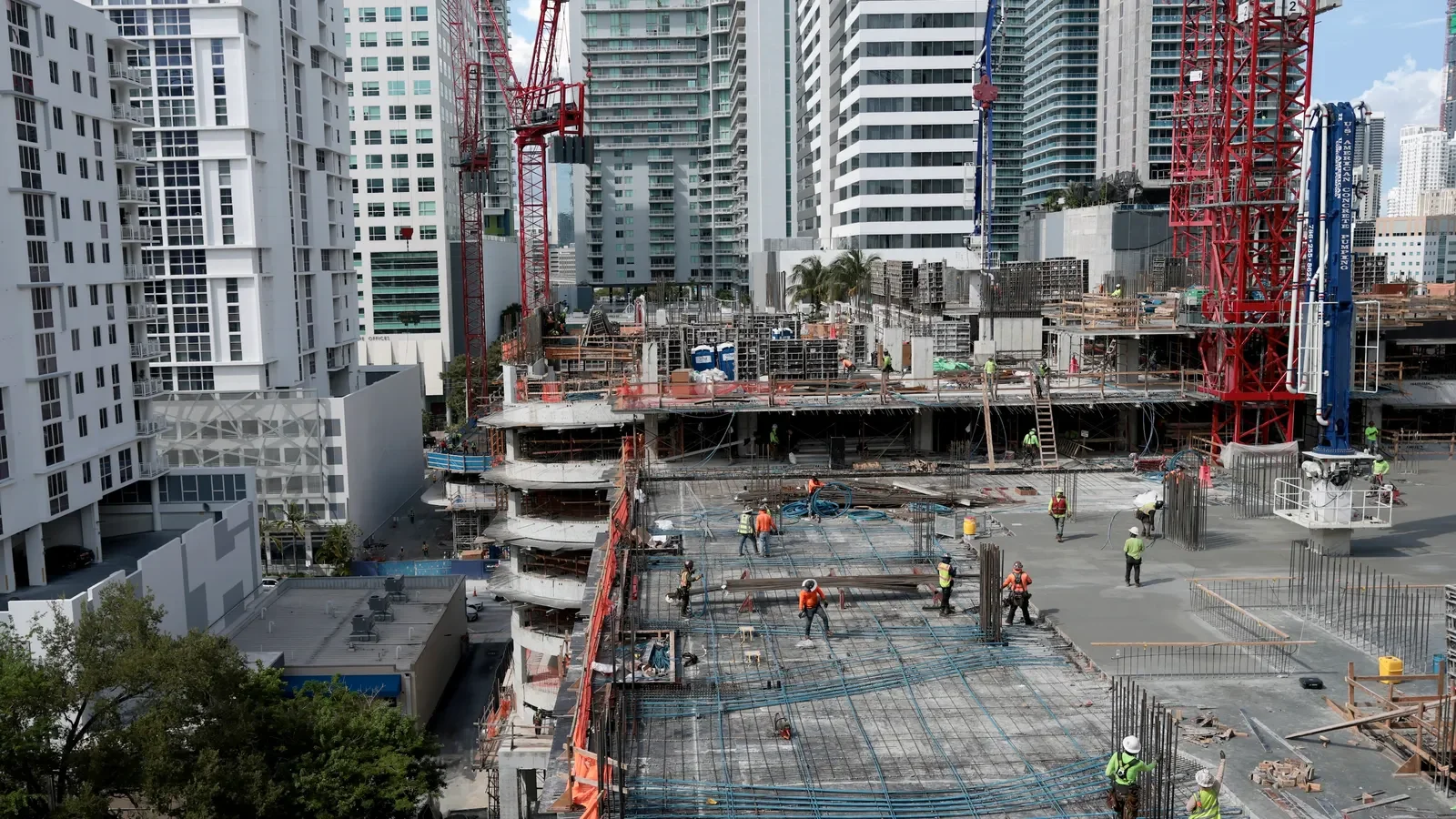
Apartment REITs first raised the alarm about concessions in fall 2023, when a glut of new deliveries pushed merchant developers into steep discounts. Three years later, the pressure hasn't disappeared. It has just surfaced in different places. That's what makes this story harder to file away. If you're treating it as a one-time shock, you're missing how the problem keeps moving around the map.
Discounting spread to older buildings
The damage didn't stop at new product. Public apartment companies had to cut prices even on older assets that normally don't compete with fresh supply, and analysts downgraded some of those companies. That's a meaningful shift. Older buildings usually sit in a different pricing tier, and their tenants tend to renew more readily, so a discount there signals that the pressure reached well past the lease-up competition at new buildings. Here's the thing: landlords rarely cut rents on older product unless they've run out of better options.
UDR CEO Tom Toomey described the effect on the company's B-quality communities as "unexpected and unprecedented in my 30 years in the multifamily industry" on the Highlands Ranch, Colorado-based REIT's third-quarter 2023 call. A veteran operator admitting the old playbook didn't cover it tells you how far the shock traveled. Executives who have seen several cycles don't reach for words like "unprecedented" lightly. And yet that's exactly the language you hear when the models stop working. (and this is the part most people overlook) Those models assumed older assets would hold their pricing even when new supply came online, and that assumption is what broke.
Sun Belt supply is still biting
Supply pressure is still showing up in surprising ways, especially for Sun Belt-focused REITs. Camden Property Trust lowered its 2026 same-store revenue guidance, and September set up that revision. Guidance cuts get read as a verdict on the year, but they're really a snapshot of what leasing looked like when the forecast was made. That's why the timing matters. A company revising in a softening period is admitting its earlier forecasts were too optimistic, which isn't a comfortable thing to say out loud.
CEO Alex Jessett said traffic fell more than the company expected. "And when we had the decline in traffic, obviously, you have to reduce your prices if you're trying to increase traffic," he said. That's the concession cycle in one sentence: soft traffic forces price cuts, and price cuts eat into revenue guidance. The logic is simple, which is part of why it's so hard to escape. Once traffic slips, a landlord chooses between holding rents and losing occupancy, and the discount looks like the cheaper option in the short run. Nobody enjoys that math, but it's the math they're doing.
San Francisco and New York carry the load
Concessions still weighed on results, but the third-quarter reports had bright spots. Strength in San Francisco and New York City lifted several companies. My read is that the split is becoming clearer: markets with tighter supply and firmer demand are doing the heavy lifting, while Sun Belt portfolios are still working through the excess. That shouldn't surprise anyone who watched where new buildings went up. Dense, supply-constrained cities don't absorb a wave of deliveries the way metros with wide-open land do.
Here's the thing about averages: they hide the spread. A portfolio-wide figure can look stable while one region bleeds and another compensates. If you're working in this space, the useful question isn't whether apartment rents are up or down. It's which submarkets are absorbing supply and which are still digesting it. Those answers don't line up neatly with REIT tickers, and that's worth remembering the next time a headline result looks reassuring.
What this means going forward
The next few earnings calls will show whether Sun Belt traffic stabilizes or whether more guidance gets trimmed. I'd watch the language more than the headline numbers. An executive who says traffic is improving while still discounting is describing a different situation from one who says pricing power is coming back. Those phrases sound similar in a press release and mean very different things on the ground.
This category of issue often follows a familiar arc. A wave of new supply triggers discounting, the discounting spreads to older product, and then the strongest markets quietly pull the averages back toward normal. That's a reasonable pattern to expect, but it's a pattern, not a promise. Similar cycles have ended in different ways depending on how quickly demand caught up with deliveries. I'd be wary of any forecast that treats a single quarter as a trend, including this one.
So where does that leave you? If you're reading these reports to understand the sector, focus on traffic, concessions, and the gap between regions rather than the top-line story. Whether the Sun Belt recovers on schedule is an open question. Not yet, though. For now, the bright spots are real, and so is the drag.