Collapse brings Flatbush construction site to a halt
The collapse of a three-story building in Brooklyn’s Flatbush neighborhood has left at least eight people dead and 17 injured, according to figures reported Thursday morning. The building fell into the construction site beside it Wednesday afternoon, and the number of people still in the rubble was unknown. Those figures describe a disaster that was still unfolding as officials spoke: the known toll was severe, but the condition and location of everyone in the collapse zone remained unclear.
The incident puts the adjoining development site at 2625 Bedford Avenue under immediate scrutiny. New York City’s Department of Buildings (DOB) issued a stop-work order Wednesday, citing “unsafe construction operations causing adjacent building (1321 Flatbush Avenue) to collapse.” The precise cause remains under investigation. The order establishes that work has stopped while authorities examine the site; it doesn’t, by itself, explain which operation caused the neighboring structure to fail or whether other conditions contributed.
Fire Department of New York Commissioner Lillian Bonsignore said people from both the building and the construction site were trapped in the debris. At a Wednesday night news conference, she said officials did not yet know how many people remained in the collapse zone. That uncertainty shaped the response: rescue work had to proceed alongside an assessment of whether the remaining structure could shift or fall further.
In a collapse involving two adjoining sites, the distinction between where a building stood and where construction was taking place matters for investigators, but it doesn’t resolve the immediate human and operational questions. People were reported trapped on both sides of the boundary. The scene therefore involved more than determining what happened to the building that fell; crews also had to account for workers and occupants amid unstable debris.
Excavation and development plans
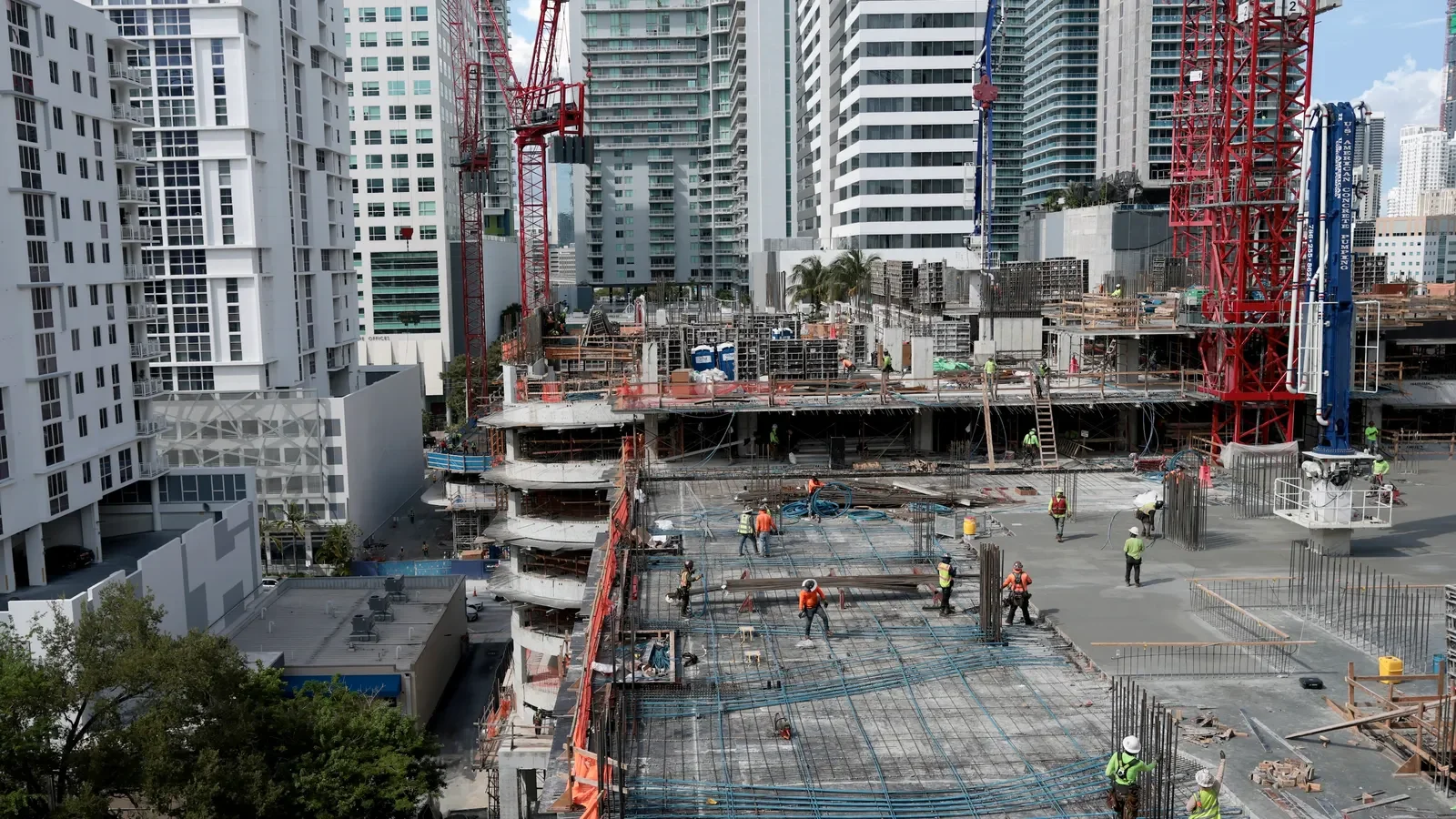
Building Commissioner Ahmed Tigani said crews were excavating at the site. Asked whether workers were digging when the collapse occurred, he replied: “Yes, they [the construction crews] were digging down.” That statement links the work underway to excavation, but it doesn’t establish that digging caused the collapse. Investigators will need to determine how the construction activity, the adjoining building and the conditions at the site related to one another.
Excavation is a consequential phase of a building project because work below ground takes place close to the ground and structures around it. In general, construction reviews of a collapse can examine the sequence of work, site conditions and the relationship between the excavation and neighboring buildings. Those are areas of inquiry, not findings in this case. The available statements don’t identify a specific failure or provide a completed account of the events before the building fell.
The site had an approved plan for a three-story building, Tigani said, while plans for a nine-story structure had not been approved. Permits filed earlier in 2026 identify Robert Fischman of W6 Facility X as the owner and Cheng-Yi Lin Architecture as the architect of record. The proposed project was reported to include about 25,000 square feet of residential, community facility and commercial space.
The difference between the approved three-story plan and the unapproved nine-story proposal is relevant background, but it shouldn’t be treated as an explanation for the collapse. A proposal that hasn’t been approved doesn’t establish what was being built when the incident occurred, and the reported project area doesn’t answer questions about construction methods or site safety. The established facts here are narrower: excavation was underway, the three-story plan was approved, and the taller plan had not been approved.
For people following the project, that distinction is useful. If you're working in this space, separate the documented status of the plans from claims about what caused the failure. One describes the development process; the other remains a matter for investigators.
Risk of further collapse
Part of the adjoining building remained standing after the collapse, but its condition posed a continuing hazard, said FDNY Chief of Department John Esposito. He identified a secondary collapse as the main concern during the Wednesday night briefing. A standing section can still be unstable after a major failure, so its presence meant the danger wasn’t limited to the debris already on the ground.
That risk affects how responders can approach the scene. In general, rescue and recovery work around a damaged structure requires attention to whether the remaining portions can shift, especially when crews need access to debris. The source doesn’t describe the specific tactics officials used, and there’s no basis here to say how long the hazard will persist. Esposito’s warning does make clear that the structure left standing was an active concern during the briefing.
Part of the building still standing. That’s a small detail with large consequences for anyone working nearby.
What the collapse means for the project
With the cause still undetermined and the site subject to a stop-work order, the immediate focus remains on the trapped people and the stability of the structure left standing. The incident’s impact on the proposed Bedford Avenue project will depend on what investigators establish about the collapse and site conditions. Until then, the approved plan and the unapproved proposal provide context, but they don’t settle the questions at the center of the investigation.
This is more significant than it looks: a construction site and an adjoining building became part of the same emergency, and the public statements so far leave the causal link unresolved. The stop-work order signals a formal halt, while the investigation will have to establish what happened before officials can describe responsibility or the project’s path. And this is the part most people overlook: even the basic count of people still in the rubble was unknown at the Wednesday night briefing.
What this means for you is that early certainty would be misplaced. The known toll is grave, excavation was underway, and officials were concerned about another collapse. But the available facts don’t yet show exactly how the building failed, how the construction sequence contributed, or what changes may follow for the site. Those answers will depend on evidence gathered after the rescue operation and the examination of the site.
For now, the clearest account is also the most limited one: a three-story building fell into an adjoining construction site, people were trapped in the debris, and the remaining structure posed a continuing hazard. The investigation has to do the work that early speculation can’t.