For homeowners targeting a 2027 sale, the advantage may come from starting early and choosing improvements carefully. Buyers have more homes to consider than they’ve had in years, so condition and presentation will matter when a property enters the market. That doesn’t mean every seller needs a major renovation. It means buyers may have less reason to overlook visible wear or unresolved maintenance when they can compare several options.
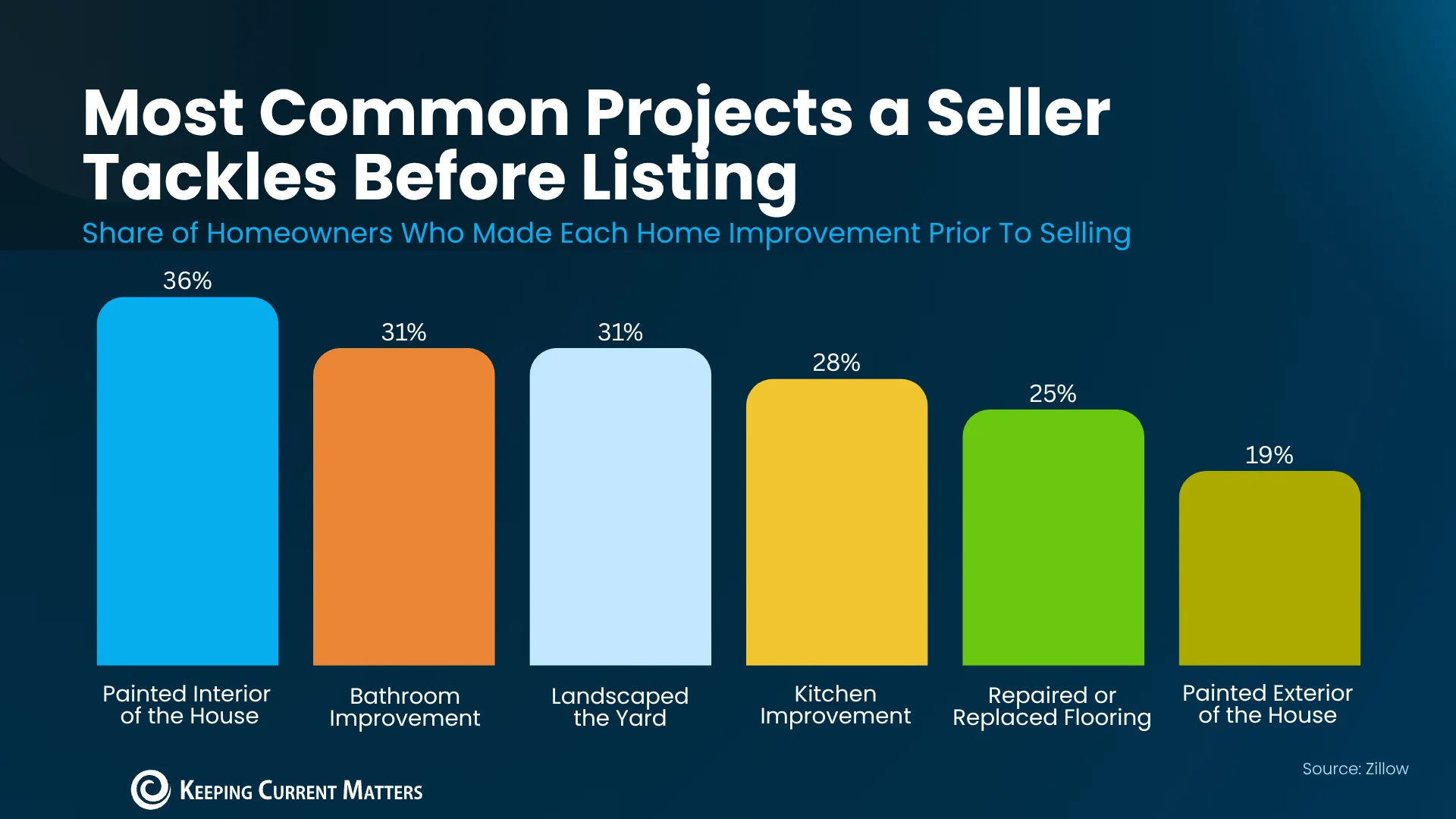
Zillow recommends allowing roughly two to three months to prepare a home for listing. That window can cover decisions about repairs, contractor scheduling, completed work and the final setup for photography and showings. It also gives sellers time to decide which jobs are worth doing and which can be left alone. The workload varies: 78% of sellers completed at least one home improvement project before listing, with interior painting the most common. That figure shows how common pre-sale work is, but it doesn’t establish that every project pays off or that sellers should match one another’s plans.
Set priorities before spending
A long list of possible updates doesn’t mean every item will help a sale. A local real estate agent can offer a read on what buyers in the area are responding to and which projects sellers are taking on. That conversation can help focus time and money on work that’s likely to improve a home’s appeal. It can also make the trade-offs clearer: a project that looks worthwhile in one market may matter less where buyers are focused on other features.
Still, “appeal” is a broad goal, and sellers should ask what problem a proposed improvement is meant to solve. Is it addressing a visible defect, a maintenance concern, or a dated finish that distracts from the rest of the home? Clear priorities make it easier to compare the likely benefit with the time, cost and disruption involved. Here's the thing: preparing to sell is a sequence of choices, not a mandate to update every room.
A pre-listing inspection is another way to identify issues early. It can flag repairs that might otherwise surface during a buyer’s inspection, when there may be less time to arrange work. An HVAC system nearing the end of its useful run, for example, may warrant attention alongside other known maintenance needs. The inspection can help sellers understand the condition of the home before marketing begins, though it doesn’t mean every flagged item will require the same response.
Angi puts the typical cost of a pre-listing inspection at $300-600. The National Association of Realtors says an inspector can help sellers identify trouble areas likely to stand out to buyers and make repairs before open houses begin:
“An inspector will be able to give you a good indication of the trouble areas that will stand out to potential buyers, and you’ll be able to make repairs before open houses begin.”
The practical benefit is time. Finding issues well ahead of listing gives owners more room to schedule repairs and manage costs without compressing every decision into the weeks before a sale. It can also help sellers distinguish between work that needs attention and cosmetic changes they’re considering mainly for presentation. This is more significant than it looks: a rushed repair can complicate an already busy period, while early information gives the owner more control over the order of work.
Stage the work around listing day
Some preparation is better left until the home is close to market. Deep cleaning, staging, paint touch-ups and landscaping are finishing steps that can lose their effect if completed too far in advance. Their purpose is to make the property show well when buyers see photos or visit in person, so timing matters as much as the task itself.
Decluttering can start at any point. Clearing closets, the garage or a storage room now reduces the amount to sort and pack later, while making it easier to assess the home’s space and storage. It can also expose maintenance issues that were hidden behind stored belongings, giving owners time to decide whether anything needs attention. A small start now can make the final preparation less demanding.
Redfin notes that clean, well-staged homes with appropriate pricing and professional photography tend to sell quickly. That observation points to a combination of factors, rather than a promise that staging or photography alone will determine how fast a home sells. For a 2027 seller, the useful takeaway is to build a timeline: address maintenance and selected improvements early, then schedule presentation work closer to the listing date. And yet, even a well-prepared home still has to meet the expectations and price range of buyers considering it.
What the preparation window means for sellers
Two to three months is a planning guide, not a fixed workload or a guarantee that every project can be completed in that period. The time needed will depend on the home’s condition, the choices the owner makes and the availability of contractors. If you're working in this space, the useful question is which decisions need lead time and which can wait until the listing date is closer.
There’s no need to renovate the whole house or pack up months ahead. Start by getting a local agent’s perspective on what needs attention, then spread the work across the time available. What this means for you is a more manageable plan: get information early, choose projects for a reason, and reserve final cleaning and presentation for when they’ll have the greatest effect. Fewer last-minute decisions. That gives sellers more control over preparation and a better chance to make a strong first impression when the home reaches the market.