California Gov. Gavin Newsom is advocating for an $11.25 billion bond aimed at enhancing residential development and promoting homeownership. This initiative, termed the Veterans and Affordable Housing Bond Act of 2026, is poised to be placed on the ballot this November, following a consensus reached between the governor’s office, state Senate, and Assembly.
Characterized as "historic," this measure proposes $10 billion in general obligation bonds that will fund construction, rehabilitation, acquisition, and preservation of affordable housing targeted at lower-income Californians. This funding will also facilitate down payment assistance and low-interest mortgage financing, with repayments drawn from state tax revenues over the coming 35 years. However, this repayment structure has sparked concerns among some Republican lawmakers who worry about long-term taxpayer liabilities and fiscal responsibility.
Democratic Assemblymember Buffy Wicks from Oakland emphasizes the bond’s significance, stating its potential to expedite construction of 40,000 previously approved housing units, which translates to stable housing for thousands of families. With California grappling with severe housing shortages, the ability to speed up these projects is not just a priority—it's a necessity for countless residents seeking stable homes.
Funding Allocation Strategy
The second aspect of the bond act includes $1.25 billion in self-sustaining revenue bonds for the CalVet Home Loan Program, designed to assist veterans and military families in purchasing homes. Unlike the general obligation bonds, these revenue bonds will be reimbursed entirely through mortgage payments rather than relying on taxpayer funds. This distinction is vital for maintaining fiscal balance while still addressing urgent housing needs among veterans—a demographic that often faces unique challenges in the housing market.
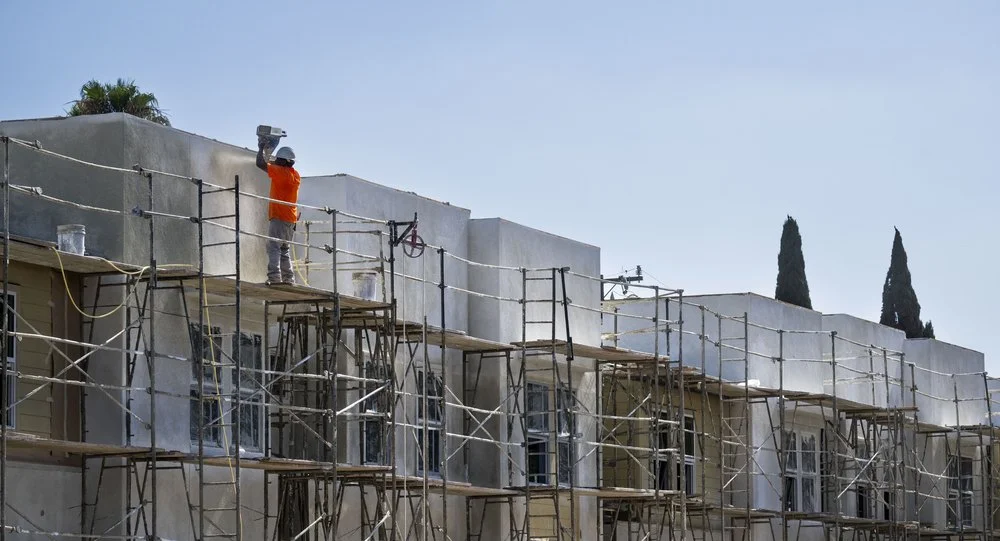
The bond act also earmarks funds for the Multifamily Housing Program, facilitating affordable housing and homeownership options for a diverse array of low-income households, seniors, farmworkers, tribal communities, college students, and individuals facing homelessness. This broad-reaching strategy is not only an attempt to reduce homelessness but to foster stability in communities across California, which often see direct correlations between affordable housing and improved public health and safety.
Proponents claim this initiative will also generate tens of thousands of high-paying jobs in construction across the state. Wicks argues, "Time and again, we recognize that housing affordability and homelessness are priorities; it’s imperative we invest in successful housing programs now." She stresses California’s profound need, with 1.2 million affordable housing units missing and 170,000 individuals living without shelter. The connection between job creation and housing is a critical element that often gets overshadowed in housing policy debates. (And this is the part most people overlook: stable housing can lead to better economic outcomes for individuals and families.)
Newsom’s proposal targets California’s chronic housing shortage, which renders it one of the least affordable states in the U.S. Presently, a mere 17% of households can afford to buy a median-priced single-family home, and over half of renters are classified as cost-burdened. This reality is a growing crisis, resulting in not just increased homelessness, but also destabilization of communities and prolonged economic struggles for Californians.
Political Context and Challenges
The timing of this measure is significant, coinciding with a gubernatorial race where housing issues are front and center. Candidates Democrat Xavier Becerra and Republican Steve Hilton are vying to succeed Newsom, bringing attention to the pressing housing affordability crisis. The political urgency creates a landscape where housing solutions are becoming a key factor in electoral success, as voters demand tangible action on what affects their daily lives.
According to the 2026 Realtor.com® Housing Report Card, California received an F grade regarding homebuilding and affordability, further illustrating the gravity of the situation. With an embarrassingly low score of just 21.7 out of 100, the state’s challenges are stark. This abysmal reporting on homebuilding reflects long-standing issues—not just a recent turn of events—and calls into question the effectiveness of previous policies and measures enacted in attempts to rectify these problems.

Realtor.com senior economist Joel Berner considers the bond measure a positive step, yet he cautions that its impact may be limited. He suggests that unless California addresses foundational barriers like restrictive zoning laws and cumbersome environmental reviews, the bond's potential to drastically change the housing scenario might be constrained. These systemic issues are deeply entrenched and won’t disappear with new funding alone, pointing to a need for more comprehensive reform efforts within the planning and development sectors.
Implications and Future Outlook
If you're working in this space, what this means for you is that the bond act could represent both hope and uncertainty. On one hand, if successful, it could invigorate California's struggling housing market and provide a blueprint for other states facing similar dilemmas. On the other hand, if it falters at the legislative or ballot stages, the consequences could be dire—leaving millions on the sidelines of an already tight housing market.
Legislators are scheduled to vote on this bond act soon. If it clears both chambers and receives Newsom's signature, it will then be presented to voters in November. This critical juncture will test not only the political will of state leaders but also the resolve of residents who might be fatigued by promises unfulfilled. The outcome will likely shape the trajectory of California's housing policies for years to come.