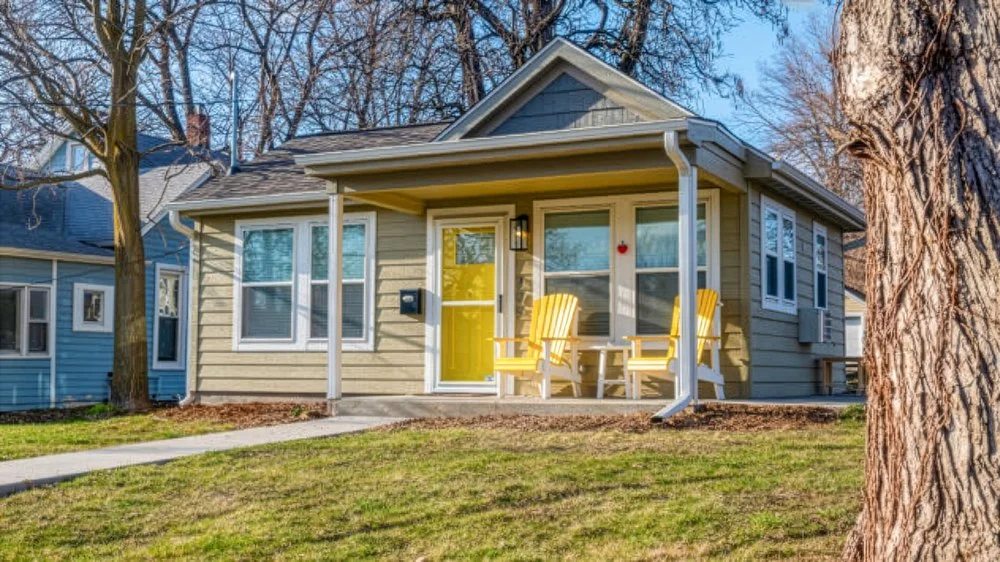
The emergence of Joppa Village in Des Moines marks a significant step towards addressing chronic homelessness in the area. Designed specifically for individuals living on the streets, this new tiny home community features units starting at an accessible $300 per month, alongside facilities that promote health and community wellbeing.
A Focus on Permanent Housing Solutions
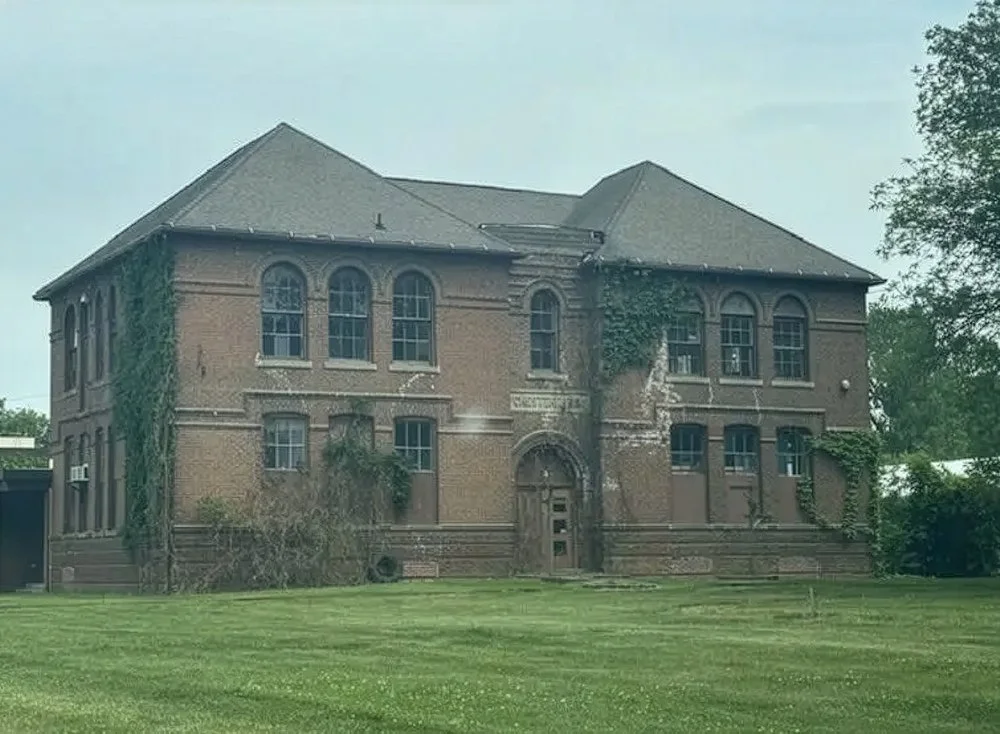
Joppa, a homeless outreach nonprofit based in Des Moines, has successfully navigated its final regulatory obstacles to launch Joppa Village at 2501 Maury St. This initiative aims to provide permanent, supportive housing for the city's chronically homeless population. City officials have endorsed a plan to repurpose the Chesterfield School, a historical building dating back to the 19th century, into a vibrant community center that will serve as the backbone for the new neighborhood.
Modern Amenities in Historical Settings
The redevelopment plan includes a substantial 15,000-square-foot renovation of the school building, transforming it into a multifunctional community hub. It will house a gymnasium, dining facilities, and health services—all aimed at fostering a supportive environment for residents.
Eligibility and Community Support
To qualify for residency, individuals must adhere to specific federal criteria regarding chronic homelessness. This includes those dealing with disabilities or substance use issues, as well as those who have faced prolonged or frequent homelessness over recent years. Notably, there’s no income requirement, making this an inclusive housing option for those in need. Residents may also find work at the village, with employment opportunities offering a wage of $15 per hour in roles like groundskeeping and janitorial services.
Joe Stevens, CEO and co-founder of Joppa, emphasized the importance of collaboration in tackling homelessness. “This approval allows us to provide permanent supportive housing to individuals who would otherwise be chronically homeless,” he stated, highlighting the role of community partnerships in solving complex social issues.
Financial Considerations and Long-term Impact
The financial model for Joppa Village is structured to be entirely privately funded, with development costs anticipated to range between $7.5 million and $10 million. Remarkably, plans suggest that taxpayers will bear no financial burden, as the initiative is projected to save the city approximately $3 million each year after the first phase of residents is housed. This cost-saving potential underscores the economic benefits of investing in permanent housing solutions for vulnerable populations.
Scaling Successful Models
Joppa Village takes inspiration from Austin’s Community First! Village—a well-regarded development that has become a national reference point for effectively housing the chronically homeless, boasting a high rent collection rate and retention percentage among its residents. Stevens notes, “It’s a proven model in helping chronically homeless people find their forever home and stay there until they die.” This proven approach lends weight to the belief that Joppa Village can achieve similar successes in Des Moines.
Community Reception and Future Prospects
While the initiative has garnered community support, some local residents have expressed concerns regarding cleanliness and potential crime. Nevertheless, many view the revitalization of the Chesterfield School site as a positive development. Resident Melanie Hernandez articulated hope for the project, stating, “It will be nice to have…homeless people actually have a home and be safe.”
As Joppa finalizes plans for the schoolhouse conversion, they aim to break ground later this year, with initial move-ins expected by 2027. Stevens encapsulated the emotional significance of home ownership for residents: “Being able to have your own home and pay your own rent will be a big deal to a lot of these people.”
Joppa Village represents not just a housing project, but a movement towards fostering dignity, security, and community for some of the most vulnerable individuals in Des Moines. With each step forward, the momentum builds towards a more inclusive and supportive community framework, making a lasting difference in the lives of those who have faced unimaginable challenges.