You might have encountered a barrage of pessimistic narratives surrounding the housing market recently. Rising interest rates and tightened budgets paint a gloomy picture that suggests buying or selling real estate may be risky. Yet, a closer examination of the data reveals a much more favorable situation.
Today’s market conditions are nothing like the extraordinary environment of 2020 and 2021, often referred to as the “unicorn years.” Those years featured unprecedented low mortgage rates and intense bidding wars that led to properties selling in mere days—events that represented anomalies rather than the norm. Consequently, modern comparisons to that era will understandably yield a contrasting and bleak outlook.
However, when we assess today’s housing market against historical benchmarks, it’s actually proving to be quite resilient.
Strong Homeowner Equity Provides Stability
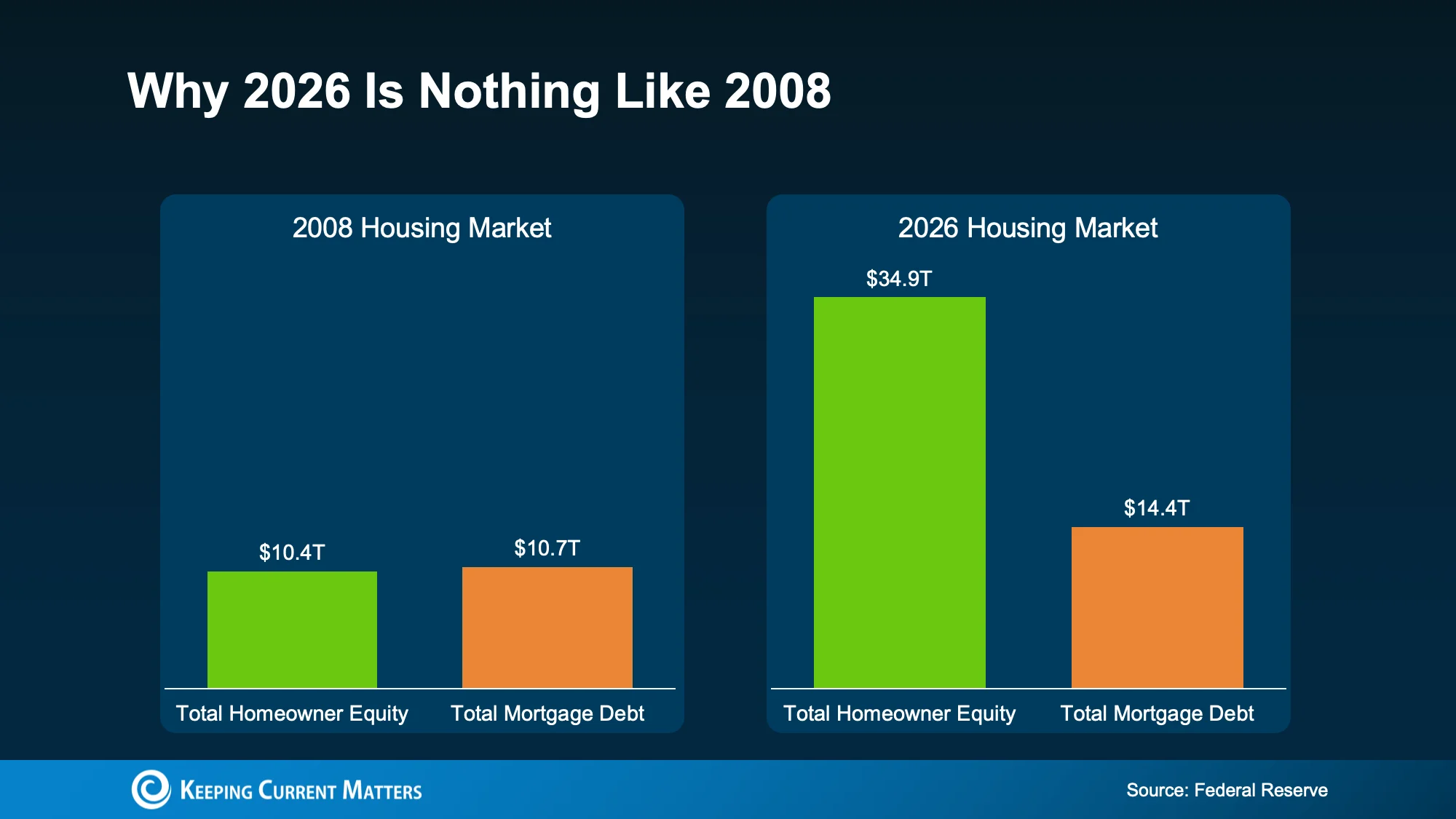
A key factor bolstering the housing market's stability is the substantial equity homeowners have amassed. According to data from the Federal Reserve, homeowners' equity now stands significantly ahead of their mortgage debt, a stark contrast to 2008 when the two figures were nearly equal. Back then, many homeowners were perilously close to financial ruin, leading to widespread foreclosures and a market crash. The current environment presents a marked departure from that distress, showcasing an enhanced financial fortitude among homeowners.
Fast forward to today, and total homeowner equity has reached an astounding $35 trillion, far exceeding mortgage debt. This increase is not merely a statistic; it's a reflection of a more secure housing market, where many homeowners have built substantial wealth through real estate. What this means for you, whether you're a potential buyer or a seller, is that the existing equity landscape provides a buffer against downturns, allowing homeowners options that weren't available during the last significant market crisis.
This equity provides homeowners with financial breathing room. Many can afford to sell if necessary, thanks to a significant cushion that grows with time. Homeowners who have stayed put for five years typically hold about $180,000 in equity, increasing to over $340,000 for those who remain in their homes between six and ten years. This isn't just a figure—it's a source of security.
Data from ATTOM and the Census Bureau further reveals that roughly two-thirds of homeowners either own their homes outright or possess more than 50% equity. This indicates a solid market where homeowners are not under financial pressure; they can decide to sell, remain, or transition smoothly. If you're working in this space, you likely understand how important this flexibility can be for market health and buyer confidence.
Mortgage Rates and Foreclosure Rates Keeping Inventory Tight
Current data from the Federal Housing Finance Agency shows that over half of all active mortgages hold rates below 4%. This low-rate situation contributes to a constrained housing inventory, as many homeowners find little incentive to trade their low-interest loans for higher rates. Consequently, properties for sale are limited, exacerbating competition and maintaining home prices. Almost paradoxically, while many are feeling pressure from rising rates, existing homeowners are content to stay put, leading to a scarcity of options for buyers.
Foreclosure statistics further reflect this stability. While there's been a slight increase in recent months, levels remain well below historical averages, as ATTOM reports. Many homeowners have built considerable equity, which gives them options that help them avoid losing their homes. This situation plays into broader economic trends as well, with consumer confidence retaining strength, which can influence other areas of the economy as spending habits adjust in response to housing stability.
Price Trends Indicate Stabilization
The market's resilience is also visible through the emerging trends in home prices. Research by Redfin shows that while home prices are still on the rise, the growth rate has moderated, now averaging around 2% year-over-year nationally. This moderation may not match the frenetic pace of the “unicorn years,” but it reflects a necessary stabilization rather than a catastrophic decline.
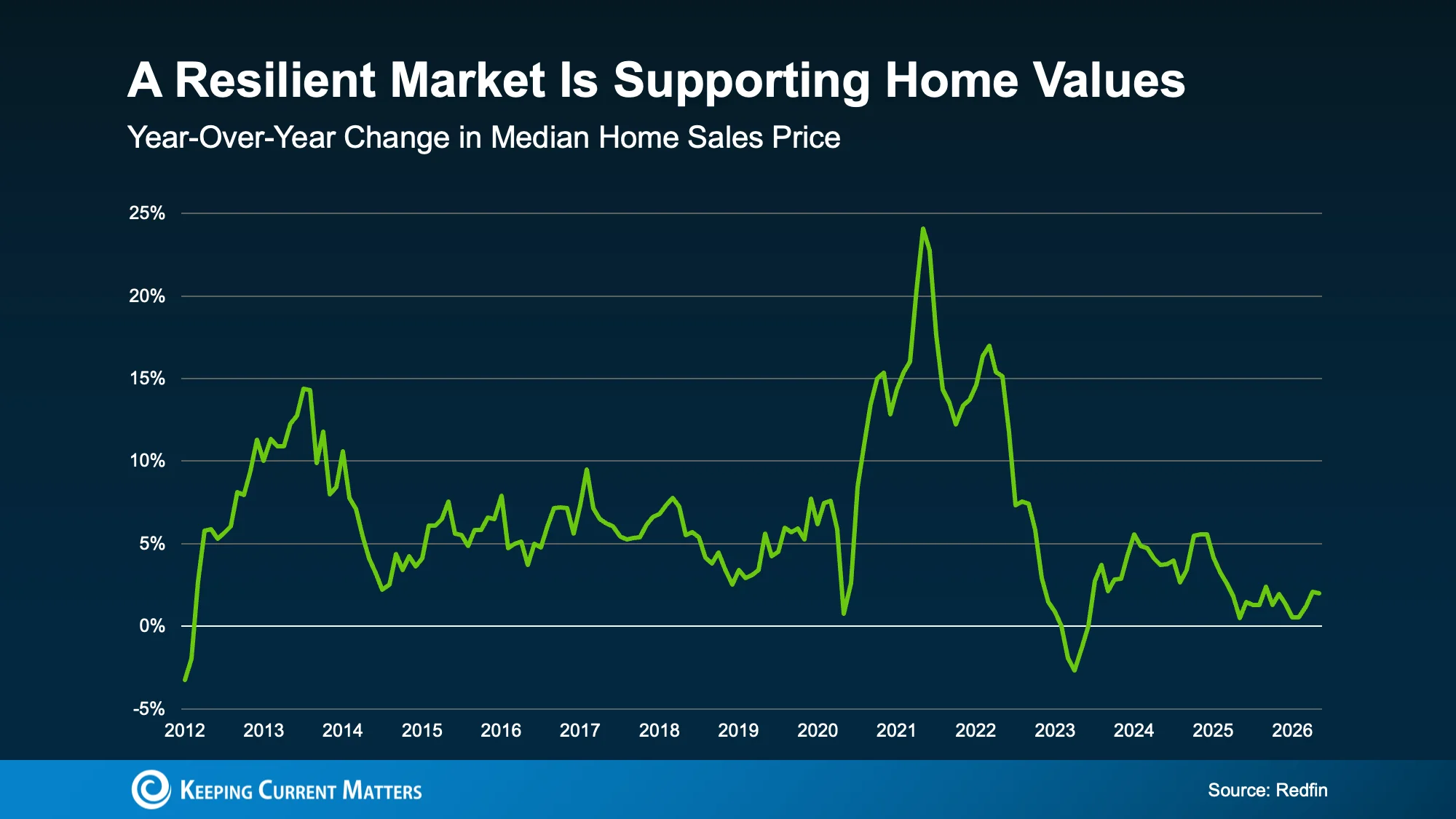
Daryl Fairweather, Chief Economist at Redfin, describes this slowing growth as a necessary correction. The explosive price inflation and historic low inventory experienced during the pandemic resulted in a market correction that was considerably overdue. This back-and-forth isn’t uncommon as markets strive for balance—keeping prices in check while still allowing for homeowner equity growth.
Looking Ahead: Implications and Future Outlook
The current housing market demonstrates a foundation of strength rather than fragility. Hesitating in anticipation of a market crash that’s unlikely to occur can lead to missed opportunities; each month delays potential equity gains for buyers and sellers alike. Individuals considering their options would do well to engage a local real estate professional who can elucidate how current conditions impact their specific circumstances and advise on potential next steps.
Here's the thing: if you're sitting on the sidelines waiting for a hypothetical drop, you may be passing up your chance in a market that's showing resilience. The story is not one of impending doom, but rather one of cautious optimism. (And this is the part most people overlook.) The foundation today is much stronger than during previous downturns, aligning with a historical pattern where the market adjusts rather than collapses.
As we proceed, observing how these conditions evolve will be vital. The homebuying and selling process may become more challenging, but it's also presenting unique opportunities for those willing to engage proactively. The implication is clear: informed decisions now could translate into financial advantages down the road.