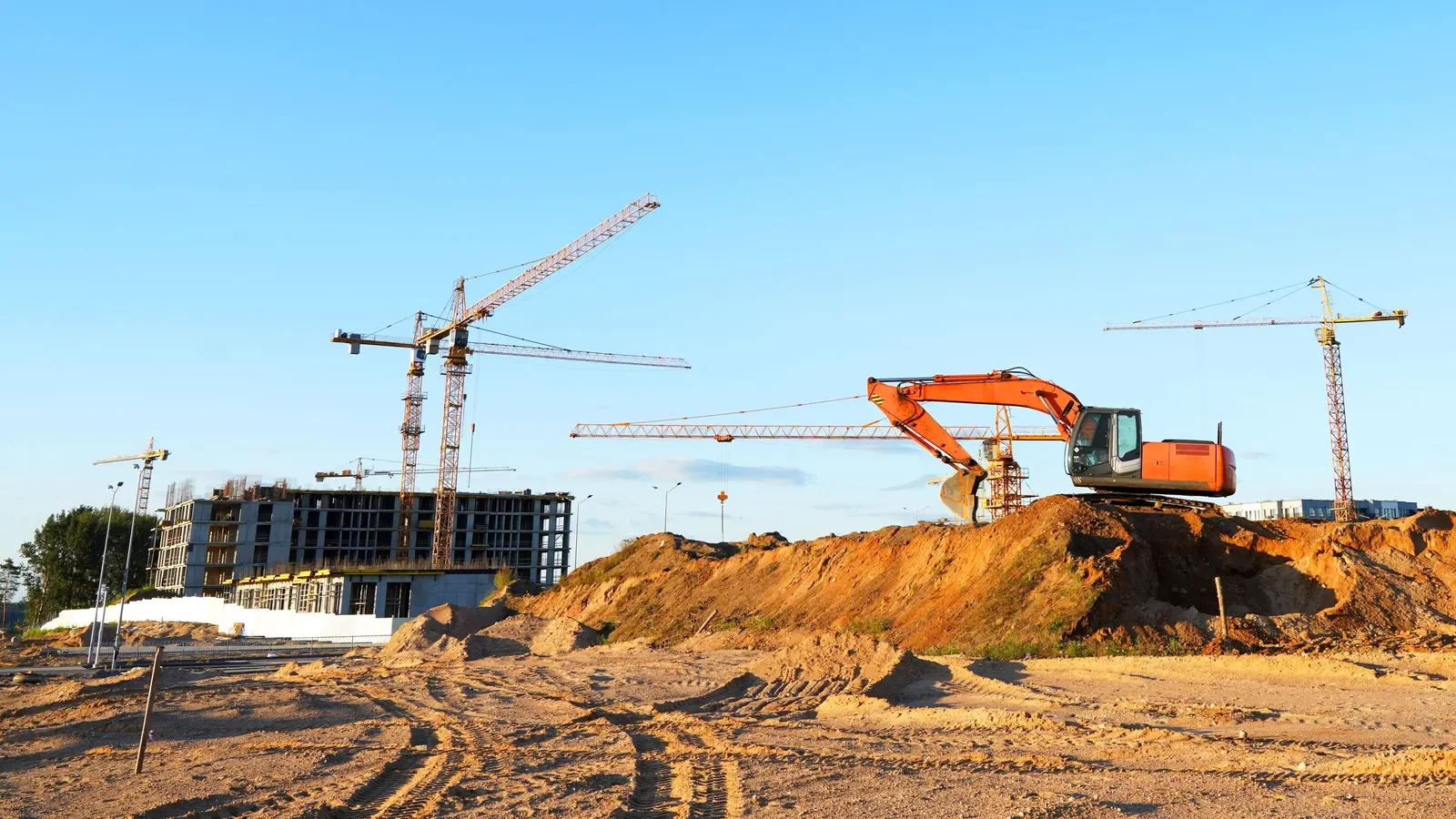
Google has officially partnered with Cypress Creek Energy to fund and acquire energy from what promises to be the largest solar facility in the U.S. Situated in Mississippi County, Arkansas, the Steel River Energy Center broke ground recently, signaling a significant move in renewable energy investments.
Investment Details
The deal positions Google as both an “anchor investor” and offtaker for the Steel River project, underscoring its importance in the tech giant's energy strategy. As renewable energy becomes increasingly vital for major corporations, Google's involvement highlights a broader trend in which tech companies actively seek to reduce their carbon footprints. The alliance with Cypress Creek not only strengthens Google's commitment to sustainable energy but also ensures a reliable supply for its extensive data centers and services, which demand vast amounts of energy.
Project Specifications
Once finalized, the Steel River project will boast a remarkable capacity of 2.5 gigawatts (GW) of solar energy along with an impressive 2.9 gigawatt-hours (GWh) of battery storage. This extensive capacity is expected to support not just Google’s energy needs but can also provide excess energy to the local grid. The construction will unfold in three phases, with the initial two phases expected to provide 1.6 GW of direct current and 1.9 GWh of battery storage. The phased approach allows for flexibility, enabling adjustments based on demand and technological advancements throughout the project’s lifespan.
Economic Impact
Beyond its energy capabilities, the project is poised to generate substantial local economic benefits, including approximately 700 construction jobs per phase and an estimated $300 million influx in local tax revenue throughout its lifecycle. This job creation is particularly significant in a region where such opportunities can lead to broader community development. Google has pledged $5 million to support local energy affordability initiatives, tailored to residents and K-12 schools in Arkansas. This focus on local stakeholders is crucial; when big projects come to town, it's essential they share benefits with the surrounding community. Cypress Creek will also contribute $3 million towards community investments, starting with a $400,000 contribution to enhance local educational facilities. This commitment not only helps to improve educational outcomes but can also foster a future workforce that's better equipped for jobs in the renewable energy sector.
Supply Chain Considerations
Cypress Creek's CEO, Kevin Smith, reaffirmed the project's commitment to local sourcing by stating that all solar panels will be manufactured in the U.S., with a significant portion of the required steel also sourced from nearby facilities. This local sourcing goal is emblematic of a growing interest in domestic production within the solar industry, particularly as supply chain disruptions have highlighted vulnerabilities in reliance on foreign manufacturing. Demonstrating the viability of a domestic solar supply chain in the current market could set a standard, encouraging other projects to adopt similar practices. With mounting global pressure to lower emissions, local sourcing could also promote reduced transportation-related emissions, aligning economic interests with environmental goals.
Timeline and Future Outlook
Project completion is anticipated by 2029, making it a cornerstone of Google's sustainability efforts, particularly as the company faces rising emissions attributed to its expanding services, notably in artificial intelligence. The recent sustainability report indicates a concerning increase in Google's carbon footprint, highlighting the urgency for initiatives like Steel River. What this means for you in the industry is clear: as major firms ramp up their sustainability measures, similar projects will likely proliferate, pushing firms to secure renewable energy sources and maintain competitive energy pricing.
Implications and Significance
The Steel River project stands as a beacon for the renewable energy sector amidst ongoing concerns about climate change. As the climate conversation continues to evolve, the Steel River project not only exemplifies a major investment in solar energy but also promises to set a precedent for future renewable energy projects across the nation. The collaboration of a tech giant like Google with an energy provider reflects a shift in how companies may integrate sustainable practices into their core operations. This isn't just about renewable energy; it's about reshaping the economic framework around energy consumption and production. And yet, as ambitious as this project is, it raises questions about scalability. If universally adopted, can the current energy infrastructure support such transitions without significant overhaul? This is a significant challenge that could determine the pace at which renewable energy technologies are embraced.
In the end, the success of the Steel River Energy Center could serve as a key indicator of the potential and practicality of large-scale solar projects across the United States. Watch this space. The implications extend far beyond Arkansas, potentially influencing energy policy and corporate responsibility on a national scale.