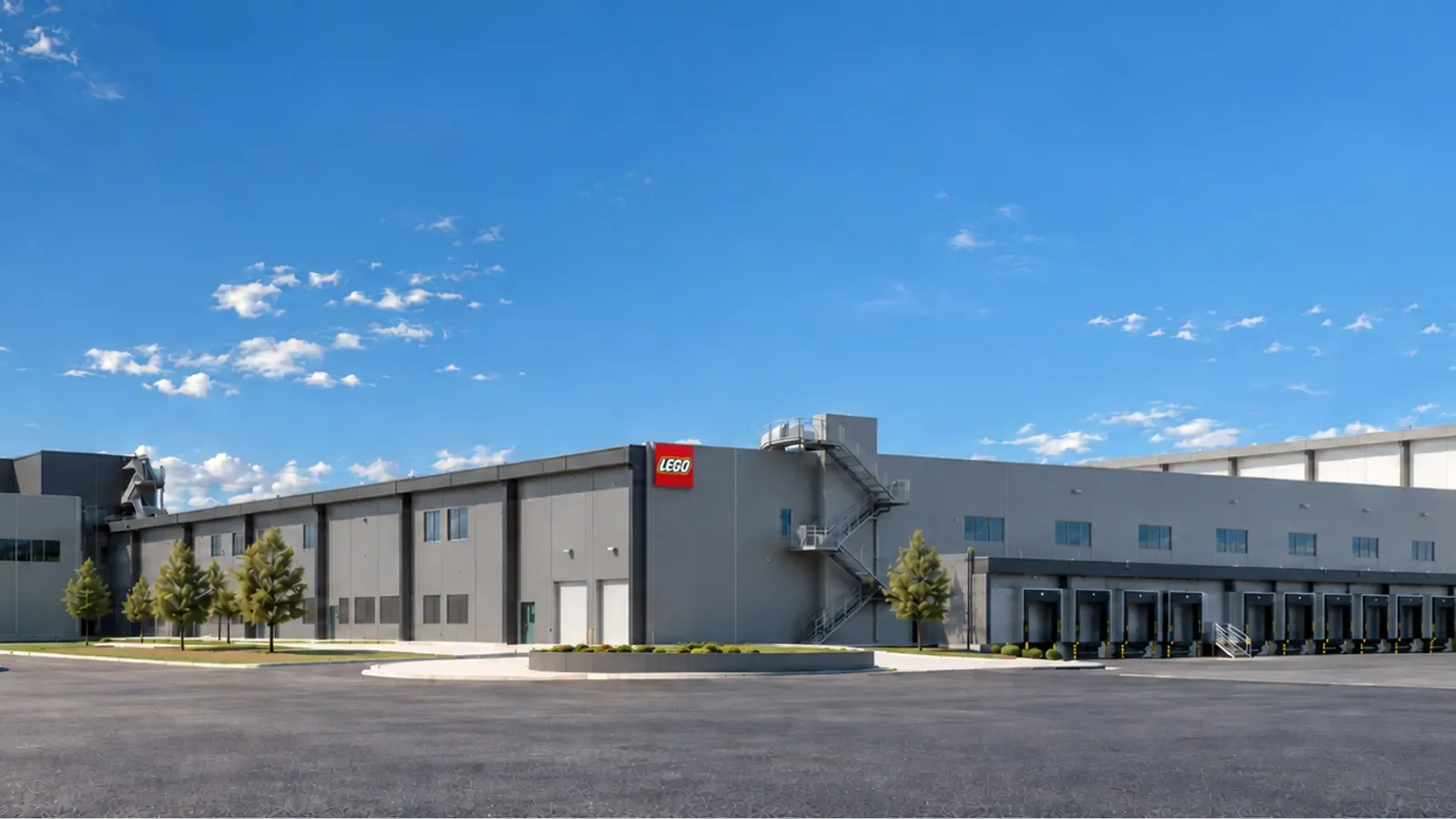
Granite Construction is strategically broadening its horizons to capture a greater share of the expanding data center market while preserving its commitment to diverse infrastructure projects. This approach reflects a proactive stance toward mitigating business risk. The increasing demand for data centers—a result of the digital transformation affecting nearly every sector—has positioned Granite at a critical juncture. This enhanced focus enables the company to not only diversify its own operations but also respond effectively to broader market needs.
During their second-quarter earnings call on July 30, 2026, the California-based firm revealed that its backlog in the data center segment surged from $65 million to $223 million year-on-year. This growth stems from deliberate investments in site preparation and paving focused on these high-demand projects. Granite's strategic pivot towards data centers underscores a shift in construction priorities, reflecting an industry-wide focus on technology-related infrastructure that appears poised for long-term growth.
A Balanced Portfolio
Granite aims to derive about 10% of its total revenue from data centers while maintaining a broad focus across various construction sectors. This includes both public and private projects alongside their materials business that supports ongoing infrastructure initiatives. This intentional diversification strategy not only helps Granite manage risk but also positions the company to capitalize on growth across different markets. Kyle Larkin, Granite's president and CEO, expressed confidence in the firm’s ability to grow revenue, crediting a solid pipeline in both established and emerging markets.
“I'm confident that the strength of our public and private end markets, combined with the strategic actions we have taken, leaves us well positioned to continue growing revenue across our footprint,” Larkin stated during the call. Such optimism reflects the firm’s operational agility in meeting the diverse demands of clients spanning data center development, rail infrastructure, and intermodal projects. This underscores how Granite isn't merely reacting to current trends; it’s actively shaping its future through strategic planning and targeted investments.
Challenges on the Horizon for Highway Funding
However, Granite's diversified strategy might be tested in light of anticipated funding cuts for public transportation projects. With the expiration of the $1.2 trillion Infrastructure Investment and Jobs Act approaching on September 30, 2026, lawmakers are proposing a substantial 22% reduction in transit funding. This uncertainty places additional pressure on Granite’s highway-focused projects. Such potential funding cuts could disrupt ongoing initiatives and may force the company to reevaluate its priorities—particularly if they rely heavily on public contracts for revenue.
Despite these challenges, Larkin remains optimistic about the potential for the proposed Build America 250 legislation. Although it lacks significant increases in highway allocations, it’s expected to emphasize funding for formula-based programs and bridge investments—areas where Granite has established expertise. The importance of this legislation cannot be understated; infrastructure funding is often tied to economic vitality and public safety, making any shifts here critical for firms like Granite that operate within these domains.
“We believe this funding approach aligns well with Granite’s geographic footprint and capabilities,” he noted, pointing to the strategic benefits of adapting to changing funding compositions in the public sector. This adaptability may be Granite's strongest asset as it navigates an uncertain political landscape and wrestles with evolving funding mechanisms.
Risk Mitigation through Portfolio Management
Over recent years, Granite has actively sought to "de-risk" its construction portfolio by pursuing smaller work packages with more manageable timeframes, thus enhancing financial visibility. This approach is increasingly important as the construction industry grapples with volatile market conditions and the complexities of long-term contracts. Larkin indicated that this method helps stabilize performance by ensuring projects are priced out at a full design stage, which offers a clearer picture of costs and risks associated with lengthy contracts. In an industry marked by unpredictability, a tighter grip on project scales and timelines can be a lifeline.
By the Numbers
Granite's financial performance remained robust. The company reported $1.46 billion in revenue for the second quarter, marking a 29% rise compared to the same period in 2025. Its total backlog increased 23%, reaching $7.4 billion. These achievements prompted the firm to revise its revenue forecast upwards by $100 million for the full year, now projecting between $5.3 billion and $5.5 billion. With these figures, Granite indicates that there’s a growing appetite for their services, especially in the infrastructure realm.
Despite this positive momentum, the company faced a net loss of $278 million, primarily due to a $360 million non-operating charge tied to debt restructuring. This stark contrast to the $72 million profit observed in the previous year highlights the challenges detailed financial adjustments can introduce. It's a reminder that in the construction industry, revenue growth doesn't always equate to bottom-line strength.
Nevertheless, Granite's leadership remains hopeful, projecting sustained growth driven by solid demand in both public and private infrastructure markets throughout 2026 and into subsequent years. Their ability to adapt to funding changes and market dynamics will be crucial as they continue to navigate this complex situation. What this means for you is that staying informed about regulatory changes and funding allocations can directly impact project viability and, by extension, company performance.
Future Outlook and Implications
The trajectory of Granite Construction's expansion into the data center market, coupled with ongoing infrastructure projects, paints a picture of a firm that’s positioning itself strategically. However, the challenges related to public funding for highway projects could create a significant headwind. With lawmakers keen to alter funding structures, the industry will need to remain vigilant. If the funding landscape shifts dramatically, companies that are quick to adapt will be the ones that thrive.
Granite's proactive approach to portfolio management shows a commitment to risk mitigation that could serve as a model for other firms in the industry. But complacency isn't an option. If you're working in this space, keeping an eye on legislative developments and market demand fluctuations will be essential. The potential adjustments in funding allocations combined with Granite's diversification strategy could indeed prove to be significant indicators of future success—or failure.