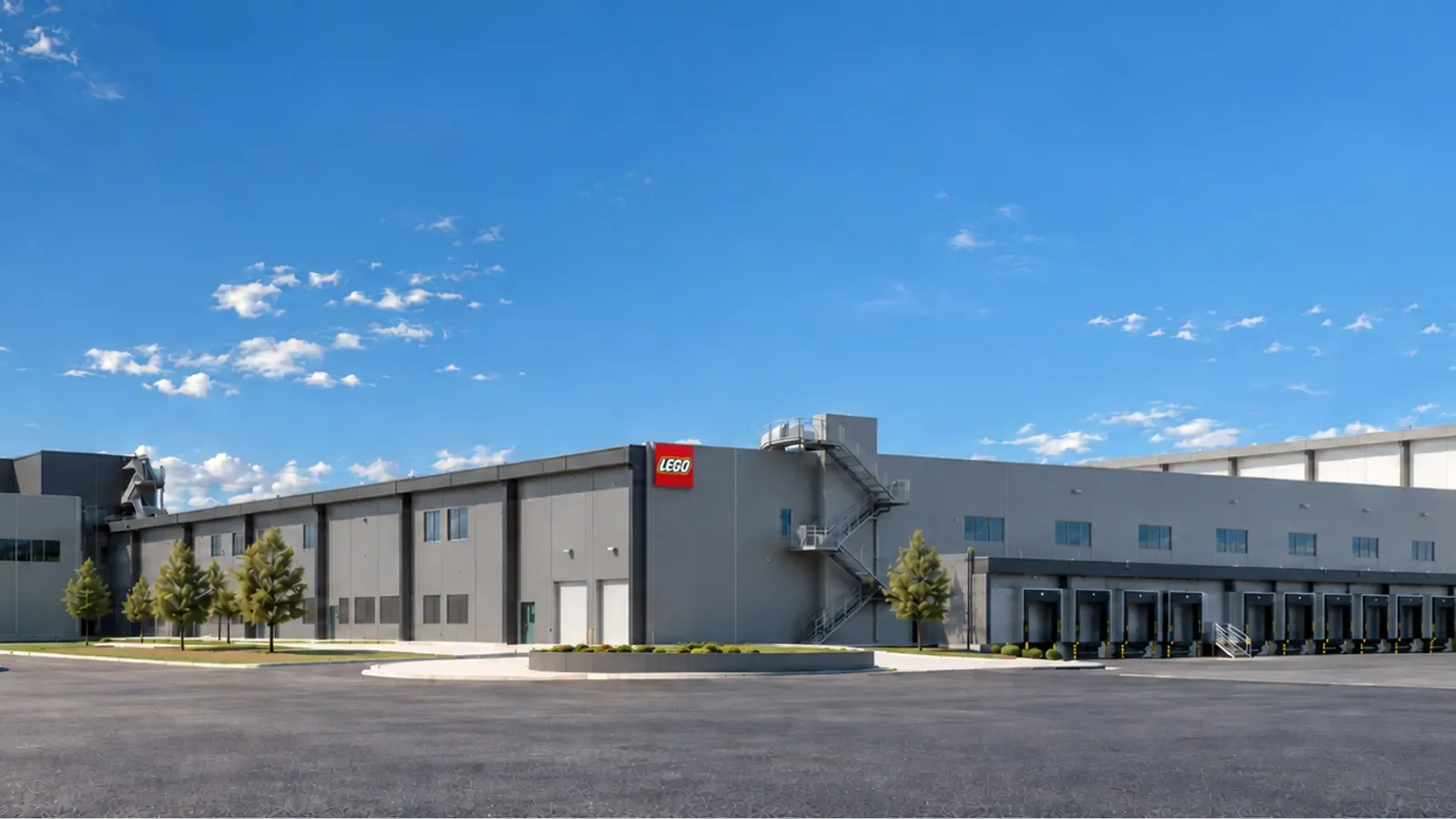
Balfour Beatty's CEO, Philip Hoare, captured the current mood in construction succinctly: “These days, you can’t pick up anything without reading about data centers.” While there's undeniable momentum in the data center construction sector, it’s crucial to recognize the broader market trends as evidenced by recent earnings reports from public builders. The sector has transformed dramatically in the last few years, fueled by a surge in demand for cloud computing and digital infrastructure. Yet, as with any market boom, there are nuances that warrant a closer look.
Challenges for Smaller Contractors
During the latest earnings calls, large firms reported substantial involvement in data center projects, a trend that's dominated the conversations. However, this concentration also highlights a concerning trend: a broader weakness among smaller contractors. These smaller firms seem to be struggling to keep pace with the industry's giants, raising questions about sustainability and competition in the market. Smaller contractors often lack the financial cushion or resources necessary to weather the volatility associated with large-scale projects like data centers. This means they could be losing market share as larger firms invest heavily in this lucrative segment.
Firms generating over $100 million annually are riding the wave of this accelerated growth, boasting an impressive average backlog of 12.1 months as of July. In contrast, smaller contractors, those making less than $30 million, reported a drastically lower backlog of just seven months. What's at stake? Well, the disparities in backlog figures indicate that smaller players might struggle to survive in an era dominated by larger firms who have the heft to sustain such expansive projects.
Diversification Remains Key
The allure of the data center boom might be tempting for many contractors, but the reality is that diversification remains essential. Leading public contractors are wise to remember this, as they’re not solely focused on tech-related builds; they are proactively exploring opportunities in various sectors. They are turning their eyes towards transportation, aviation, energy, and large-scale infrastructure projects. This approach not only maximizes potential revenue streams but also buffers against economic downturns that might impact any single sector.
The push for diversification is further emphasized in the earnings reports, where companies expressed their commitment to maintaining a multi-faceted project portfolio. For example, builders are increasingly investing in infrastructure projects that may not only bolster their balance sheets but also align with government initiatives promoting sustainable development. This approach helps mitigate risks associated with fluctuations in one industry and capitalizes on a wider array of bidding opportunities. That said, the challenge lies in balancing the breadth of projects with the depth necessary to ensure quality and efficiency.
Insights from Recent Earnings
Here's a roundup of insights from several notable public contractors from their latest earnings calls:
-
Skanska reports record $7B order intake for Q2
By Zachary Phillips • July 17, 2026CFO Pontus Winqvist underscored caution amidst strong backlog, stating, “You can’t build a trend on one quarter.” Read the full article ➔
-
Granite targets rail, roads and data centers amid growing backlog
By Joe Bousquin • July 31, 2026A surge in data center projects boosted Granite's revenue outlook, although debt restructuring impacted its Q2 results. Read the full article ➔
-
Jacobs’ data center pipeline triples as backlog hits $28.9B
By Keith Loria • Aug. 6, 2026Accelerated data center and semiconductor work was a highlight during Jacobs' earnings discussions this quarter. Read the full article ➔
The earnings reports from these firms reveal a cautious optimism and a strategic push beyond just data centers, reflecting a market that remains both challenging and full of opportunities. You might think this focus on data centers indicates a clear path forward, but focusing solely on that could blind firms to other profitable avenues.
Future Outlook: The Path Ahead
What does this mean for the construction industry? If you're working in this space, you'll need to keep a close eye on how major players handle their project portfolios. The ongoing push for data center construction isn’t likely to dissipate. However, the degree to which firms can diversify could well determine their long-term success. With economic uncertainty lurking around the corner, the ability to pivot and adapt is more essential than ever.
Moreover, increased competition might encourage innovation and efficiency improvements across the sector, even if it's driven by necessity rather than choice. (And this is the part most people overlook.) In an industry where margins can be razor-thin, companies may need to redefine their operational strategies to stay afloat amid looming challenges. Whether they succeed will depend on their ability to balance data center opportunities with a healthier mix of projects that contribute to their overall resilience. After all, the construction world isn’t merely about chasing trends; it's about building a sustainable future. The stakes are high, and the choices made today will shape the industry for years to come.