Construction Sector Reflects High Volatility Amid Megaproject Surge
In July 2026, the construction industry experienced a notable 25.6% increase in project starts, reaching a seasonally adjusted annualized rate of $1.79 trillion, according to the Dodge Construction Network. This spike came on the heels of a significant downturn in June, where starts dropped by nearly 20% as projects languished amid a pause in megaproject groundbreakings. The erratic nature of these fluctuations raises questions about the sustainability of growth in an industry often deemed critical to economic vitality.
Every so often, the construction sector seems to be caught in wild swings between optimism and caution. The surge in project starts could signify a moment of optimism, but it also begs the question: what's generating this volatility? Factors like labor constraints, material costs, and financial backing for large-scale projects play substantial roles in determining how smoothly the cycle unfolds. Each megaproject can bring substantial investments but often requires prolonged planning, further complicating the timeline for other projects. This duality in the industry's pulse reflects more than just numbers—it brings into stark relief the precarious balancing act construction companies must perform as they manage expectations, resources, and timelines.
Pockets of Strength Amid Disarray
The latest data underscores a fragmented construction market characterized by volatility. Eric Gaus, Chief Economist at Dodge, emphasized that while substantial growth was observed in certain segments—particularly multifamily residential projects, data centers in the commercial sector, and energy initiatives—the overall picture is far from stable. Gaus remarked, “Megaproject driven volatility headlines a disjointed construction market.” This paints a vivid picture of an industry where certain areas are thriving despite overall quagmires. You might find that certain markets are booming while others are struggling considerably, leading to a paradox of growth and decline.
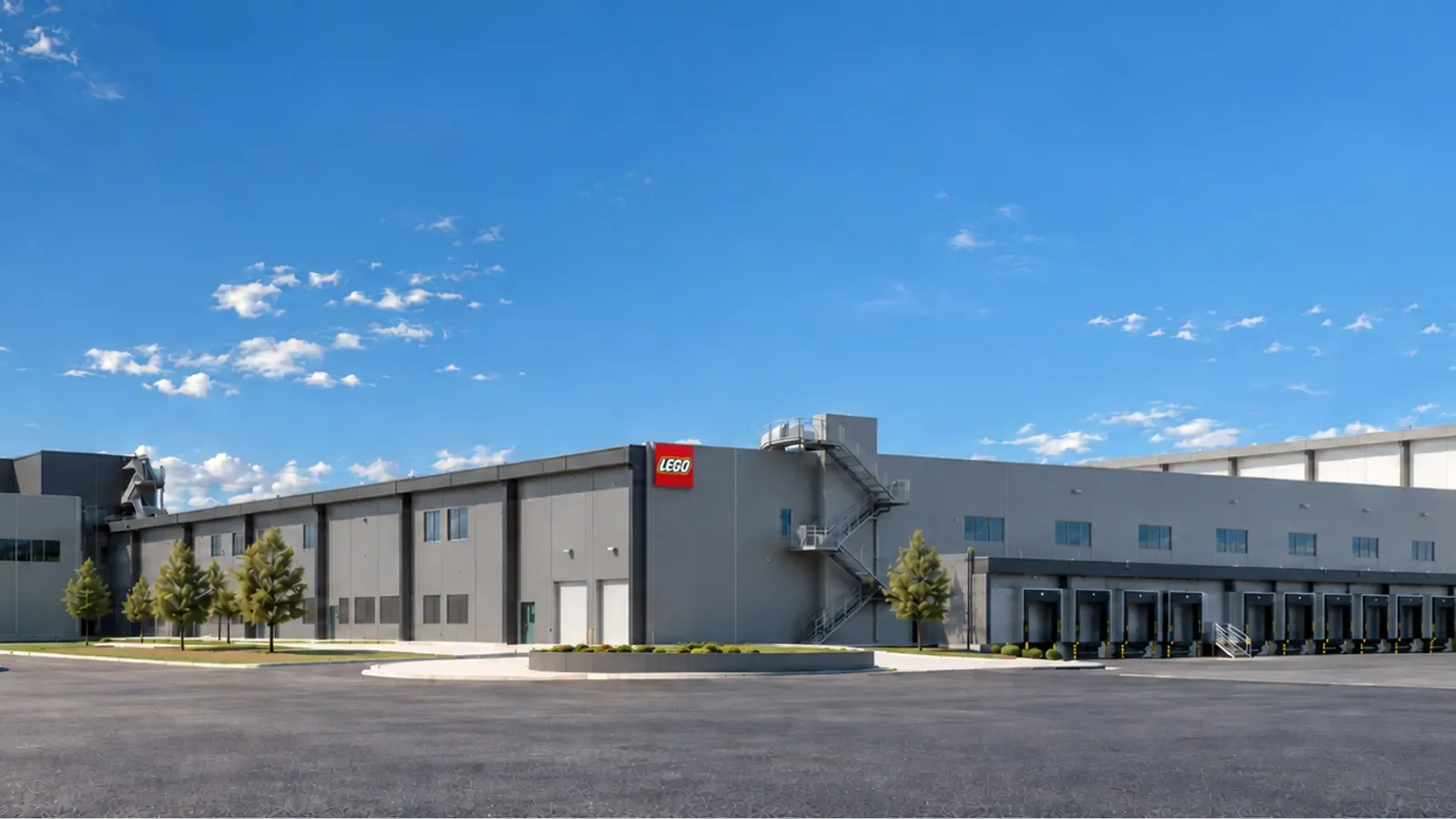
This volatility is further illustrated by stark contrasts within the nonresidential sector. For instance, healthcare-related construction starts plummeted by 59.7% month-over-month in July, and hotel projects saw a staggering 51.5% decline. It’s troubling to see such deep cuts in sectors that generally promise long-term returns and stability. These declines starkly contrast with reports highlighting an overall nonresidential category’s healthy uptick of 57.7%. That rise is primarily propelled by the launch of several multibillion-dollar projects; data centers and manufacturing construction soared by 107.9% and an astounding 277.8%, respectively. Such discrepancies underscore how unevenly the recovery is unfolding across different market segments.
Understanding these contrasts is key. Investors and stakeholders can profit from the thriving segments, but the pitfalls in declining areas may need isolation and strategic foresight. It’s clear that the mere presence of growth doesn’t ensure the health of the entire industry. A diversification strategy may be more essential now than ever before.
Implications for Industry Professionals
For industry stakeholders, the data signals both opportunities and challenges. The significant swings indicate the necessity for market adaptability and strategic planning. While growth in certain areas might trigger optimism, the declines in others serve as stark reminders against overreliance on specific sectors. What this means for you is that navigating this patchwork of successes and failures will require acumen and insight.
As professionals navigate this environment, keeping a watchful eye on megaproject launches and sector performance will be critical for informed decision-making. Understanding where volatility persists will be key to seizing opportunities while mitigating risk in an increasingly complex scene. One way to strategize effectively is to conduct rigorous market research—knowledge of emerging trends, evolving local needs, and potential bottlenecks are essential for maneuvering through this landscape.
And this is the part most people overlook: many stakeholders tend to focus solely on immediate gains without giving sufficient thought to the long-term implications of uneven growth. The construction market’s fragility might mean that gains could evaporate as quickly as they appeared.
Future Outlook: A Volatile Terrain
The outlook for the construction industry remains complex, balancing notable growth in certain pockets against deeper declines elsewhere. Whether this pattern will stabilize or continue to reflect high volatility is a question of considerable importance. If current trends continue, we might see more companies recalibrating their strategies, investing heavily in sectors showing resilience while distancing themselves from more stagnant ones.
For project management teams and executives, this volatility may lead to more conservative planning and execution strategies. Companies may start favoring projects that require fewer dependencies on external supplies or labor, particularly during periods marked by significant uncertainty. That said, letting this volatility dictate your every move could lead to missed opportunities. Identifying high-potential sectors and threading through market cycles might be your best bet for thriving in this environment.
In summary, the construction sector is caught in a tug-of-war between growth and decline, marked by volatility that demands attention and adaptability. It raises fundamental questions about sustainability that industry players cannot afford to ignore. If you're working in this space, the prudent maneuvering and strategic foresight you employ now could position you favorably as the market's narrative continues to unfold.