According to Yardi Matrix's recent Multifamily Supply Forecast, anticipated multifamily apartment deliveries are expected to bottom out in 2027, with projections pointing to approximately 444,343 units. This decline stems from reducing construction and pre-leasing activities, suggesting the market will struggle to reach the high delivery levels seen in 2024 and 2025 in the near future. The implications of this slowdown are significant, as it affects not just potential renters but also investors and developers who must navigate uncertain waters in the coming years.
Current Market Dynamics
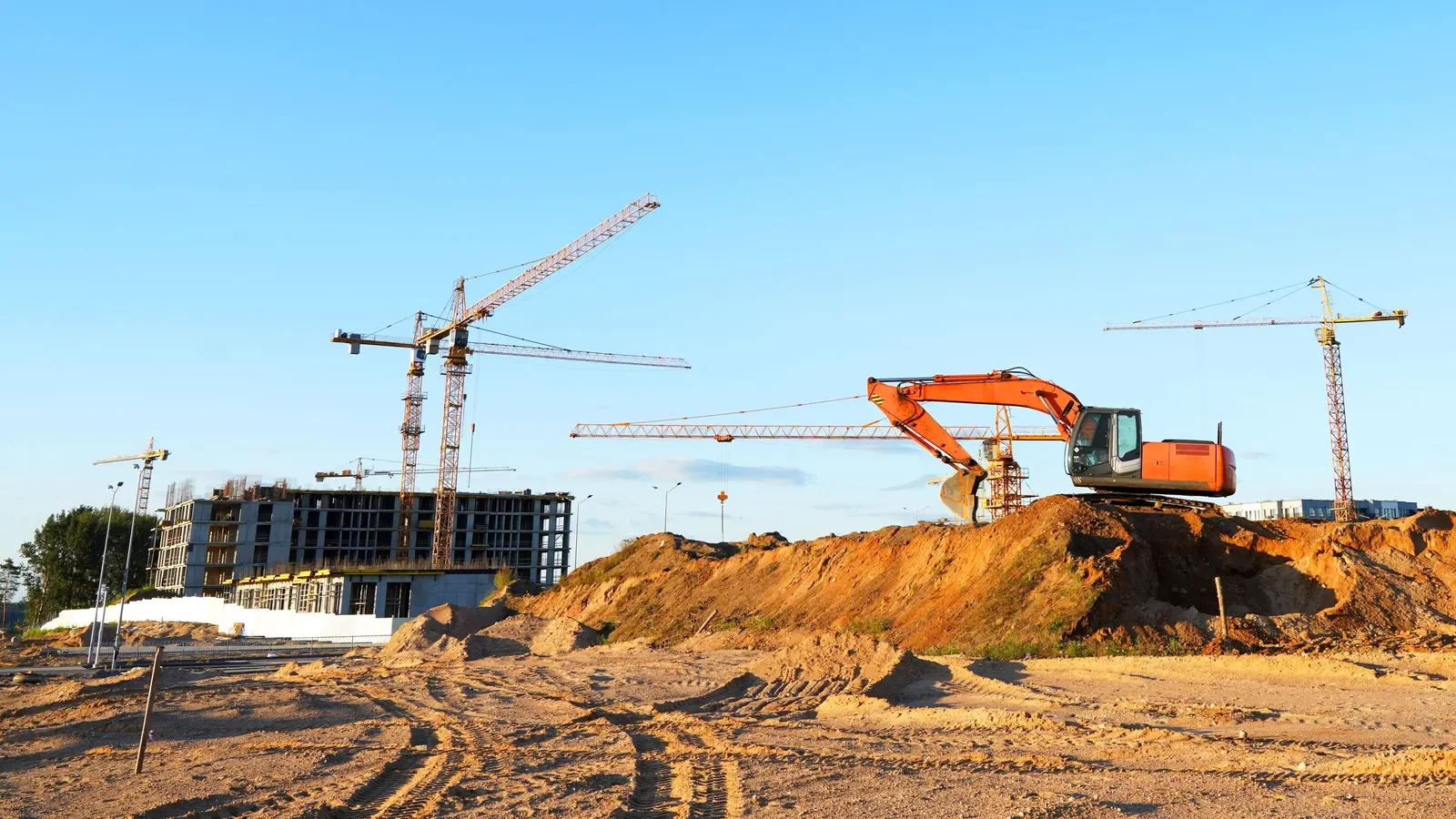
As of mid-2026, multifamily construction starts were slightly ahead of the 2024 and 2025 rates, indicating that deliveries for 2028 may exceed those of 2027 on a modest scale. However, a significant downturn in multifamily starts was observed in May, as reported by HUD and U.S. Census Bureau data. This drop indicates a chilling sentiment among developers who might be pulling back due to rising material costs and labor shortages—issues the industry has grappled with for several years. Fortunately, the number of new projects designated for five or more units has seen a recovery since then, potentially alleviating some supply concerns. Yet, this recovery requires a measured response. Builders will need to evaluate their long-term strategies as material sourcing becomes increasingly unpredictable, alongside labor costs that continue to climb. If you're working in this space, the decisions made now could set the tone for the next market cycle.
Long-Term Outlook
Yardi has adjusted its 2026 completion projections upward by 2.5% from earlier estimates but maintains skepticism about future supply increases. A robust return to the elevated levels of new apartment supply from 2024 and 2025 seems implausible. Indeed, the near and long-term economic context supports consistent rental demand but comes with high long-term interest rates that consolidate development activity within a narrower band. This trend isn't just a temporary hiccup; it's a systematic constraint likely to affect projects for years to come. Yardi's expectations resonate with concerns about inflation, exacerbated by ongoing geopolitical tensions and tariff regulations. These factors continue to dampen hopes for significant reductions in interest rates. That said, the combination of cost pressures is likely causing prospective homebuyers to remain in rental markets, further bolstering multifamily demand. This shift points to an evolving housing behavior where renting becomes a more permanent solution for many, effectively altering the demographic landscape of rental markets across the nation.
Regional Variances and Future Opportunities
Notably, despite general supply slowdowns, certain regions are experiencing substantial construction activity. About 21 of Yardi Matrix’s monitored markets have over 8% of their housing stock under construction, with the Southwest Florida coast leading at more than 15%. These supply challenges could pose issues for renters in these areas for the next year and a half, suggesting a critical need for strategic development to meet demand. Here's the thing: targeted planning and zoning policies will be essential for managing these pressures. Moreover, with recent legislation like the 21st Century ROAD to Housing law, multifamily housing investment could benefit from enhanced supply-side incentives. This shift suggests that new projects in affordable and partially affordable housing categories will increasingly dominate the mix. Yardi forecasts a 22% increase in partially affordable units by 2027 compared to 2020 and a staggering 44% rise in fully affordable apartments. The expectation is not just about numbers; rather, it reflects a societal push towards resolving the affordability crisis that has beleaguered urban areas for years. In contrast, market-rate apartment supply is anticipated to decline by about 11% from 2020 levels in 2027. This evolution in the composition of multifamily housing indicates a clear trajectory towards affordability in the coming years, aligning new projects more closely with current housing demands. This isn't merely a statistical observation; it’s a response to real human needs for more inclusive housing options in an increasingly divided economic environment.
As we continue to monitor these trends, the significant fluctuations in single-family rental starts—falling sharply in the latter half of 2025 and remaining low into early 2026—point towards diminished future completions in this market segment for 2027 and 2028, further shaping the multifamily market. This fragment of the market signals a compelling shift, necessitating an adaptation in real estate strategies if stakeholders want to remain competitive amid these changes.
Implications and Future Outlook
The multifamily sector is at a crossroads. As external pressures mount, from economic constraints to shifting tenant preferences, the ability to pivot and adjust to these dynamics will define success and resilience in this market. While opportunities for affordable housing projects are on the rise, the overall trajectory remains uncertain. In conclusion, the implications for developers, investors, and policymakers are profound. The engagement with affordable housing strategies will necessitate a savvy understanding of market needs, while potential investors must approach future commitments with caution. The numbers here could very well redefine the rental market's future. But are we ready for that shift? Only time will tell.