Multifamily rent prices saw a slight uptick in August, reflecting both monthly and yearly increases tempered by the considerable number of apartments in the lease-up phase, as noted in a Yardi Matrix report from September 4.
Understanding Recent Rent Trends
The average advertised rent across the United States rose by $2, marking a modest increase of 0.1%, bringing the total to $1,773 from July. While this growth seems unimpressive, year-over-year, rents are up by 0.4% in August—the most significant annual rise in nearly a year. These figures reveal a nuanced recovery in rent markets, where trends often mirror the volume of new units coming onto the market. Such a recovery is delicate and influenced by various external factors including economic conditions and demographic shifts.
The relatively small uptick is noteworthy. It indicates a cautious yet positive trajectory in rental prices following several months of stagnation or decline. Analysts at Yardi suggest that the rental market's pulse beats in relation to the influx of new supply. As apartments continue to be built or completed, any increase in rents may be stunted due to an oversupply of options. Thus, while the numbers show growth, they may not paint the complete picture. The market seems to be balancing itself, managing both demand and supply cautiously.
Challenges in the Sun Belt
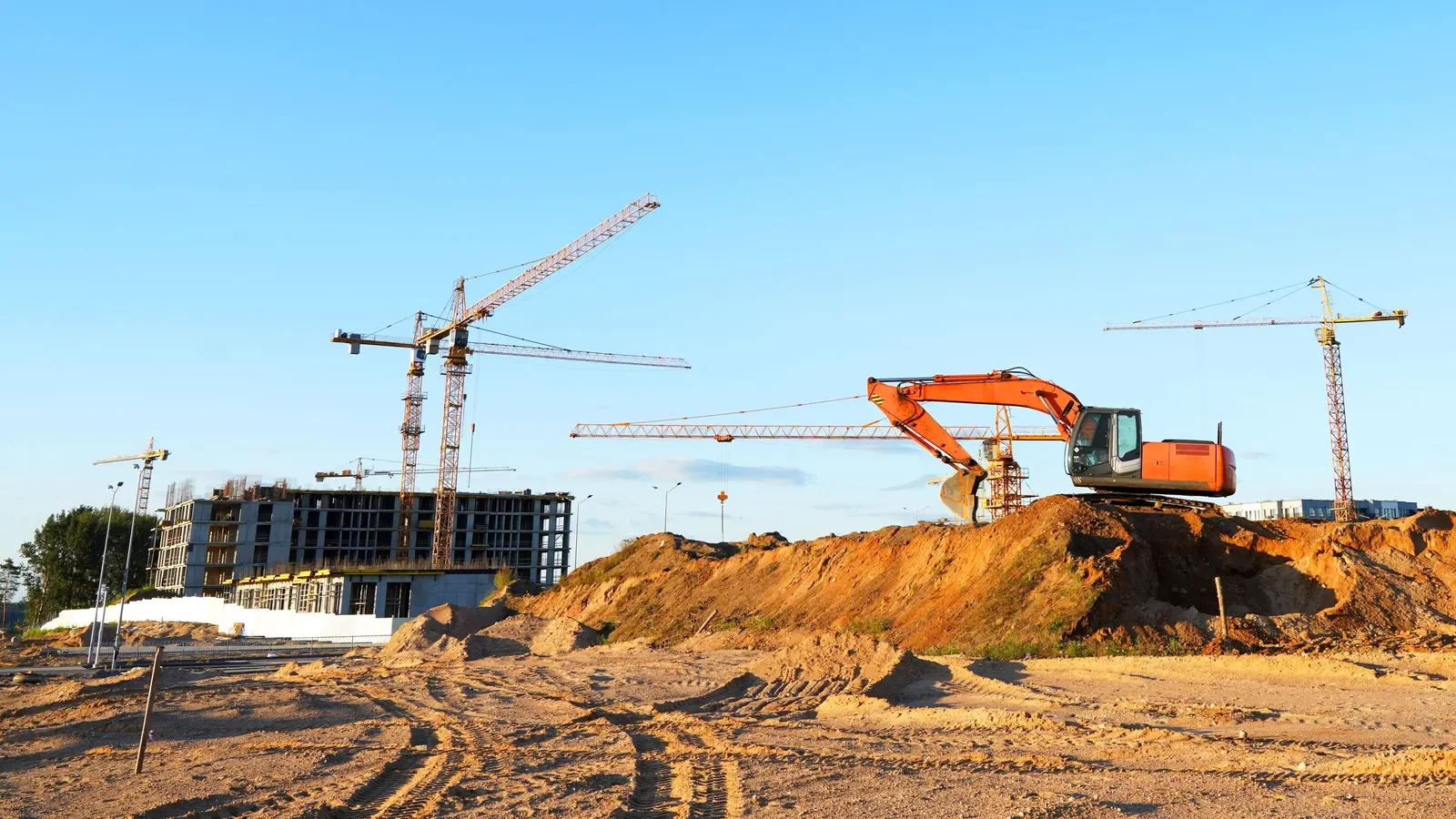
Regions within the Sun Belt continue to struggle. Despite some of the lowest rent growth rates across the country, they are grappling with substantial new construction that saturates the market and competes for tenants. As of early August, about 1.2 million units nationwide were in the lease-up phase. This figure represents a decline from the early 2025 peak of 1.4 million units but remains around double historical averages seen over the past decade. Right now, this creates a precarious situation, especially for landlords who may find it increasingly difficult to fill vacancies.
What this means for you as a renter or investor is significant. The competition from these new units could mean that rent prices wouldn't rise as much in these areas, even with the current demand for housing. In some ways, it’s a double-edged sword; while tenants benefit from lower rent pressures, landlords might be left with the short end of the stick if market saturation continues amidst economic uncertainty.
Shifting Supply-Demand Dynamics
Yardi analysts note a hopeful shift in the supply-demand dynamics. Demand for rentals has remained steady, yet the rate of new apartment deliveries is beginning to slow. This trend is confirmed by the 33% drop in starts and deliveries from the highs of 2023 and 2024. Occupancy rates, surprisingly, have remained stable despite these fluctuations. If this pattern of decreasing supply continues, analysts predict a possible resurgence in rent growth, particularly in high-demand markets within the Sun Belt, as the pressures from new construction begin to ease.
Market Performance Highlights
Examining specific markets, we see that gateway and Midwest cities had a strong month. San Francisco led those markets, showcasing a remarkable 6.1% year-over-year growth in rental rates. New York City also fared well with a 5.3% rise. This resilience can largely be attributed to buoyant demand from sectors such as technology and a significantly restricted new supply pipeline. These cities are often seen as barometers for economic health, and their performance reflects broader trends in employment and immigration.
On the flip side, cities like Denver, Portland, and Austin show signs of softer rental markets driven by oversupply. In particular, Austin faced a year-over-year rent drop of about 2.8%. Here’s the thing: while some areas experience dramatic declines, others hint at a steady recovery. It illustrates a complex picture where regional characteristics play a vital role in shaping market conditions.
Occupancy Rates and the Broader Picture
As of July, the national occupancy rate stood at 94.2%. This figure remained consistent with June's numbers, although it represents a 0.5% drop from the previous year. A significant number of markets across the U.S. are experiencing declines in occupancy, with San Francisco being a notable exception. Relying on occupancy rates to gauge the market's vitality can sometimes be misleading. (And this is the part most people overlook.) Many markets, like Tampa, recorded substantial drops—Tampa, in particular, saw a decrease of 1.2% year-over-year.
The August report illustrates diverging paths for rent recovery across different markets. This differentiation indicates that the revival of rent growth isn’t uniform but is deeply influenced by localized conditions. In single-family build-to-rent units, prices have peaked at $2,246, representing a modest year-over-year increase of 0.5%. However, occupancy rates for these units dipped slightly to 94.8%. This trend signifies that more upscale renters are becoming increasingly selective.
Future Outlook
The second half of the year looks uncertain for the multifamily sector. Normal seasonal slowdowns, combined with potential trade tensions and broader economic unpredictabilities, could stifle any traction gained in the past months. If you’re working in this space, keeping an eye on these variables is essential—after all, various economic indicators can sharply alter market dynamics in a short amount of time. The multifamily market's future will hinge on whether supply continues to relax and demand remains buoyant amidst external pressures.