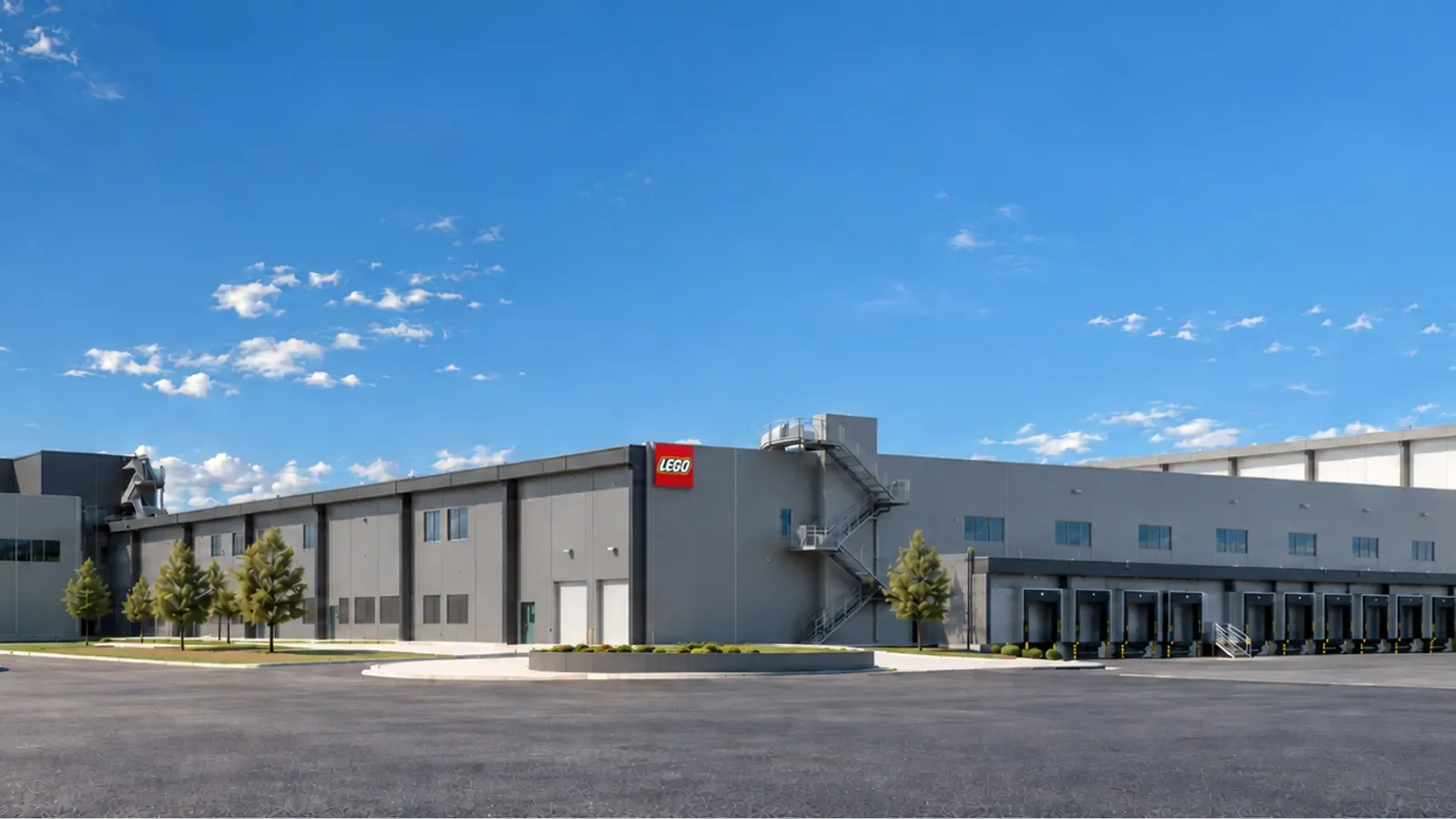
Eli Lilly has officially broken ground on a significant $6.5 billion pharmaceutical manufacturing facility in Houston, Texas. This development is part of the company's ambitious plan to establish ten manufacturing sites across the United States since 2020, emphasizing a strategic shift toward reshoring pharmaceutical production back to U.S. soil.
Project Overview
The construction is backed by Bechtel’s manufacturing and technology division, although confirmation of their involvement has yet to be publically verified by either Eli Lilly or Bechtel. The Houston plant fits into Eli Lilly's overarching commitment, which includes a staggering $50 billion investment strategy aimed at bolstering domestic medicine manufacturing. This reflects a broader push within the industry to bring production closer to home, especially in light of recent disruptions in global supply chains caused by the pandemic.
This shift isn't just about proximity; it's also about securing supply chains that can withstand geopolitical tensions and trade disruptions. Companies like Eli Lilly are recognizing that outsourcing comes with risks that can compromise their operational efficiency and reliability. By investing heavily in domestic production, they're not just responding to current market conditions but are also future-proofing their operations for an unpredictable global landscape.
Regional Significance
This new facility is part of a larger trend where Eli Lilly is expanding its manufacturing capabilities significantly. Notably, last September, the company unveiled plans for a $5 billion plant in Virginia tailored for cancer and autoimmune treatments. Additionally, a $6 billion facility in Huntsville, Alabama, is set to focus on weight-loss medications and other pharmaceuticals. Other developments are also in the works in locations such as Lebanon, Indiana, and Lehigh Valley, Pennsylvania.
The choice of Houston as a site is significant; the city has established itself as a hub for biotech and pharmaceutical companies. Its proximity to world-class research institutions, a skilled workforce, and a favorable regulatory environment create an ideal setting for such a major investment. Beyond just Eli Lilly, these types of facilities are likely to ripple through the local economy, creating jobs and stimulating related sectors, from logistics to healthcare services.
As more companies make similar moves, the pharmaceutical landscape in the U.S. could shift dramatically, evolving from imported goods to a more self-sufficient model. This could alter the competitive dynamics not just domestically but also internationally, where U.S.-made drugs might gain a market edge due to perceived reliability and quality.
Technological Advancements
The Houston site will incorporate advanced technologies, including artificial intelligence and machine learning, designed to optimize production efficiency. Digital automation is expected to play a crucial role, ensuring high-quality pharmaceutical outputs. Upon completion, the facility will manufacture active pharmaceutical ingredients, including products like Foundayo, Eli Lilly’s newly developed synthetic GLP-1 weight loss medication.
Integrating such technologies is becoming a standard expectation in modern manufacturing. These systems can streamline processes that traditionally required extensive manual inputs, thereby reducing human error and enhancing consistency. With soaring demand for effective therapeutics, efficiency in manufacturing could well determine which companies excel in market share.
There's a flip side, though. While these advancements promise to lower costs and improve time-to-market, they also raise questions about employment. If you're working in this space, now’s the time to consider how automation may impact job roles and skill requirements. It might also inspire a call for more training and education initiatives to prepare the workforce for a tech-driven future.
Leadership Insights
In a statement, Eli Lilly's Chair and CEO, David Ricks, expressed enthusiasm about the new site. “We are thrilled to break ground on our latest ‘medicines made in America’ site in the great state of Texas,” Ricks noted. He emphasized that the facility will enhance the company’s ability to produce and distribute new medical solutions both domestically and globally.
Ricks' comments reflect a broader narrative of corporate social responsibility that many modern companies are embracing. By investing in American manufacturing, Eli Lilly is not just boosting its bottom line but is also contributing to national interests in job creation and economic stability. It’s a smart play in an era where consumers are increasingly drawn to brands that demonstrate a commitment to local economies.
However, optimism must be tempered with caution; the pharmaceutical sector is inherently volatile. Eli Lilly faces not just competition from established players but also from a crop of startups that are challenging traditional models with agility and new technologies. This competitive tension raises questions about how sustainable these investments will be in the long run.
Implications and Future Outlook
The strategic move to open manufacturing sites like the one in Houston may signal a broader rethinking of how pharmaceuticals are produced, distributed, and consumed. This paradigm shift is not just about Eli Lilly; it carries implications for the future of the American healthcare system as a whole.
As domestic manufacturing ramps up, it’s likely that we’ll see increased scrutiny around pricing, access, and distribution of medications. There's potential for Congress and regulatory bodies to explore incentives for domestic production, particularly in light of the essential nature of pharmaceuticals. However, this also opens the door to potential backlash from those who argue that such bills might lead to increased prices at the consumer level.
In the grand scheme, the success of this Houston plant could serve as a model for future pharmaceutical facilities across the country. If Eli Lilly can demonstrate that reshored manufacturing can result in cost-effective, high-quality production, others may follow suit. This isn’t just a win for the company—it's a pivotal moment for U.S. manufacturing and healthcare.