Chicago's New Chapter in Mixed-Income Housing
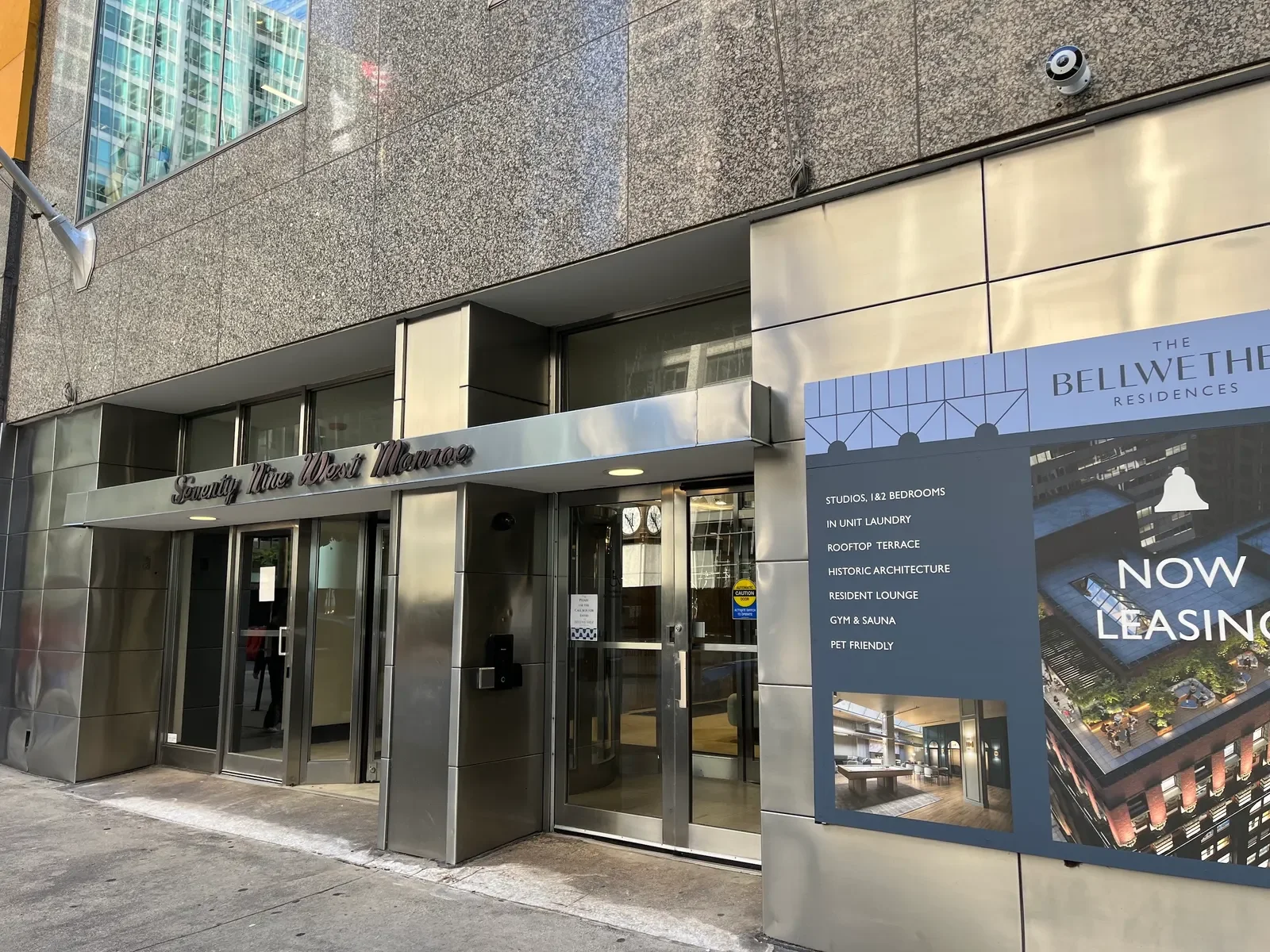
In a significant development for downtown Chicago, city officials celebrated the completion of the Bellwether, marking the first successful office-to-housing conversion in the Loop. This project transforms the once dormant 14-story Rector building, now housing 117 residential units, including 41 set aside for households earning an average of 60% of the area median income. This shift isn't just about new apartments; it represents a potential paradigm shift in how urban environments adapt to changing economic conditions and demographic needs.
Funding and Future Prospects
The Bellwether’s transformation was funded through $28 million in tax increment financing, complemented by a historic landmark designation that unlocked an additional $7.8 million in federal tax credits. This financial structure highlights a growing trend where municipalities utilize public resources to invigorate private investments in underserved areas. The initiative aligns with the broader LaSalle Street Reimagined program, which aims to repurpose underutilized office spaces into about 1,765 mixed-income housing units across six planned conversions. This collective effort demonstrates the city’s intention to not just fill empty spaces but create sustainable living environments that appeal to a diverse array of residents.
Addressing Urban Challenges
DPD Commissioner Ciere Boatright emphasized the importance of the Bellwether project, stating that it redefines urban living by integrating residential spaces into the heart of Chicago. This comes at a time when the city faces significant affordable housing shortages, with reports indicating a deficit of around 119,000 units. More than half of Chicago’s residents struggle with high housing costs, spending over 30% of their income on rent and utilities. It’s a precarious situation, and projects like the Bellwether are essential in creating more balanced housing options, especially for lower and middle-income households.
A Wave of Adaptations
As hybrid work models become the norm, cities like Chicago, New York City, and Washington D.C. are seeing a surge in adaptive reuse projects. According to RentCafe, Chicago ranks third in the nation for such initiatives, with nearly two dozen private office conversions in the pipeline that could result in approximately 4,000 new residential units. These conversions not only address housing shortages but also symbolize how urban centers can evolve. Old office buildings are being reimagined as homes, a transition that reflects shifting work patterns and the increasing desire for vibrant, liveable communities.
Community Investment and Vision
Gary Stoltz, a partner at R2 Companies, highlighted the Bellwether’s potential to reshape the Loop’s future, underscoring the belief that a vibrant mix of residents will foster a dynamic community. The project isn't just about adding units; it reflects a holistic approach to urban development that meets the evolving needs of city dwellers. By prioritizing mixed-income housing, the Bellwether aims to cultivate a sense of belonging and community among residents from various socio-economic backgrounds. This thoughtful integration could mitigate some of the social isolation often seen in urban settings.
The Implications of Mixed-Income Housing
This shift towards mixed-income housing has broader implications for urban planning and development. If you're working in this space, consider the potential of such projects to stimulate local economies. They attract not just residents but also businesses that cater to a wider demographic. Moreover, they challenge the longstanding norms of segregated living spaces, fostering environments where diverse communities can interact and thrive. Such developments could set a precedent, prompting other cities facing similar housing crises to explore office conversions or mixed-use developments.
That said, there's skepticism about the actual impact these repurposing projects will have on the ground. Will the residential units remain affordable in the long term, or will they inevitably rise to market rates and push out original residents? While mixing incomes is beneficial, it doesn’t automatically resolve the systemic issues afflicting urban environments. It's a reminder that, while projects like the Bellwether are significant steps forward, real progress requires ongoing commitment and careful management.
Conclusion
The successful transformation of the Bellwether signals a pivotal shift for Chicago’s downtown, encapsulating the city's commitment to tackling housing shortages while reinvigorating its architectural heritage. The implications of such conversions are not just local; they resonate across cities grappling with similar challenges. As more office buildings sit vacant in the wake of changing work habits, we're likely to see further adaptations that could redefine urban living in Chicago and beyond.