Chicago's Office-to-Housing Conversion: A New Chapter
Last month, city officials in Chicago celebrated a substantial achievement—the completion of its first office-to-housing conversion project in the Loop. This initiative, part of the city’s LaSalle Street Reimagined effort, aims to repurpose vacant office spaces into much-needed residential units, marking a pivotal shift in urban living. The project represents not just an immediate gain in housing stock but also a strategic response to evolving urban dynamics.
The Bellwether: Transforming Historical Structures
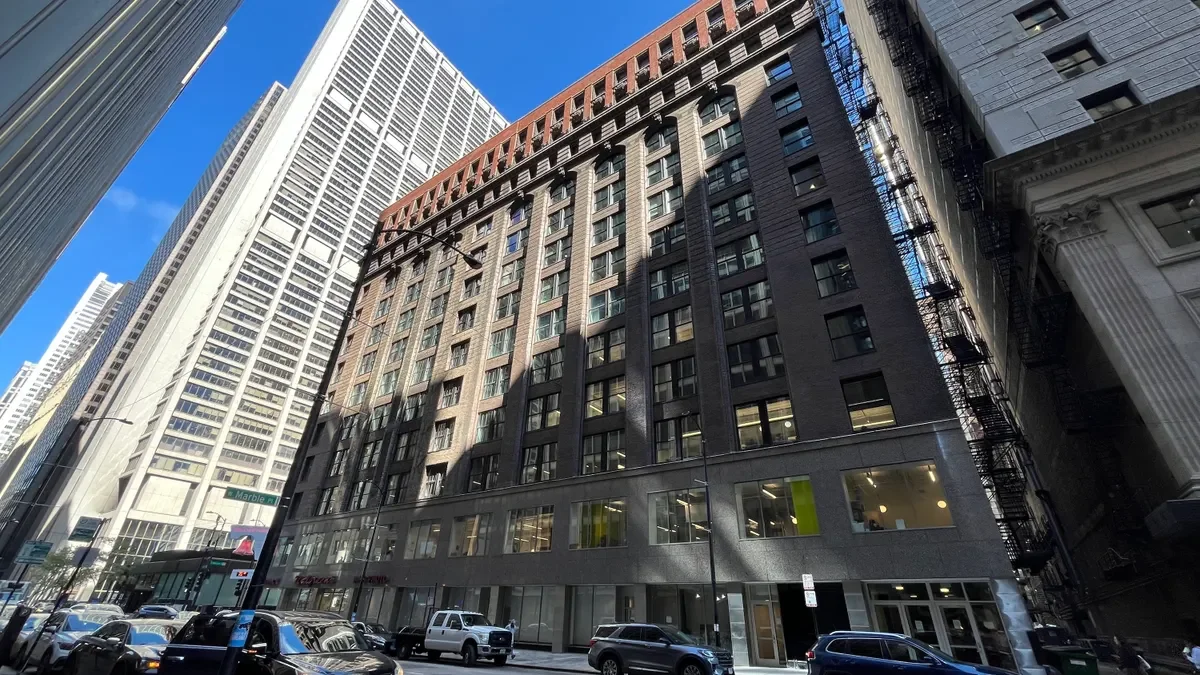
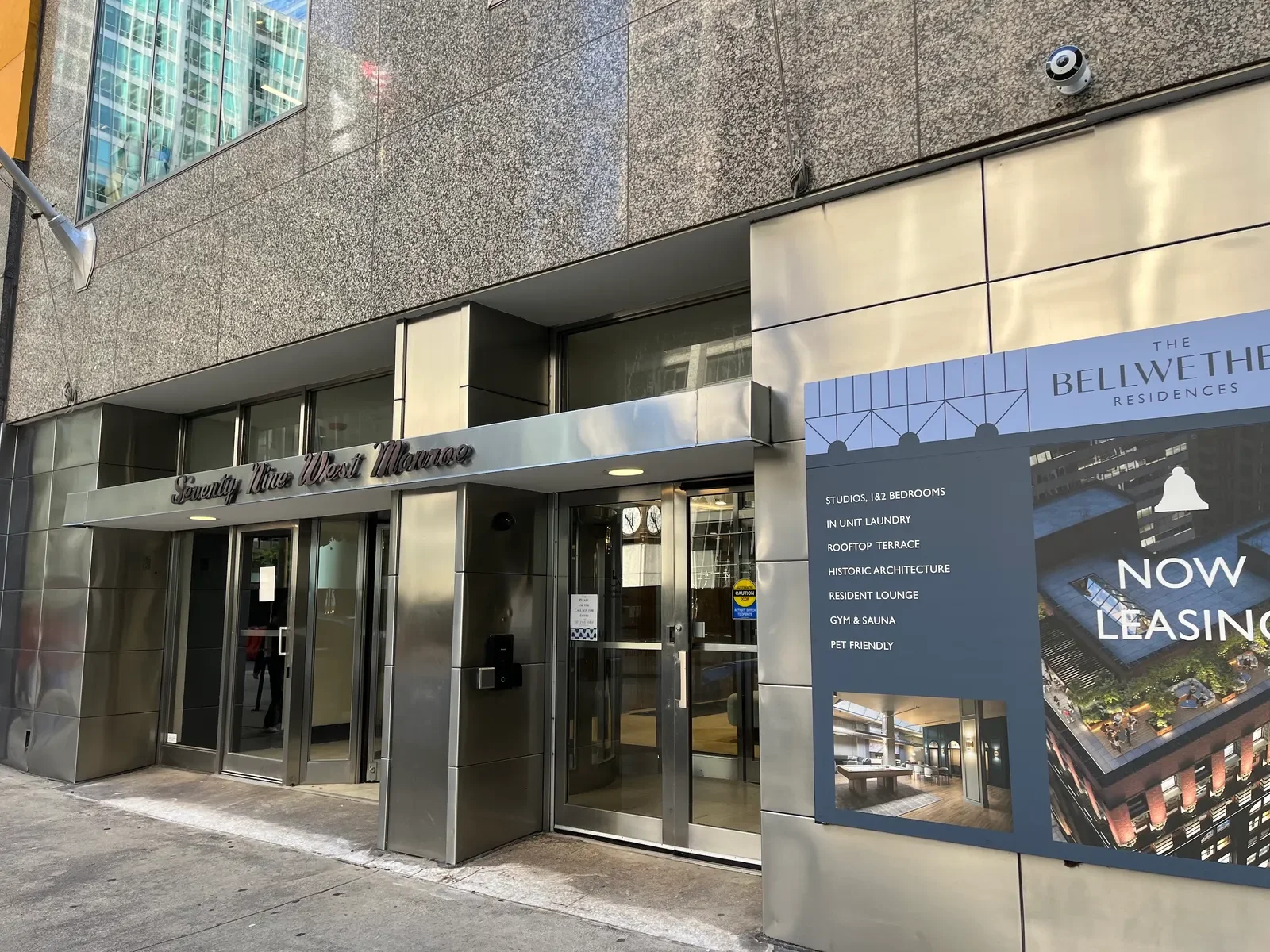
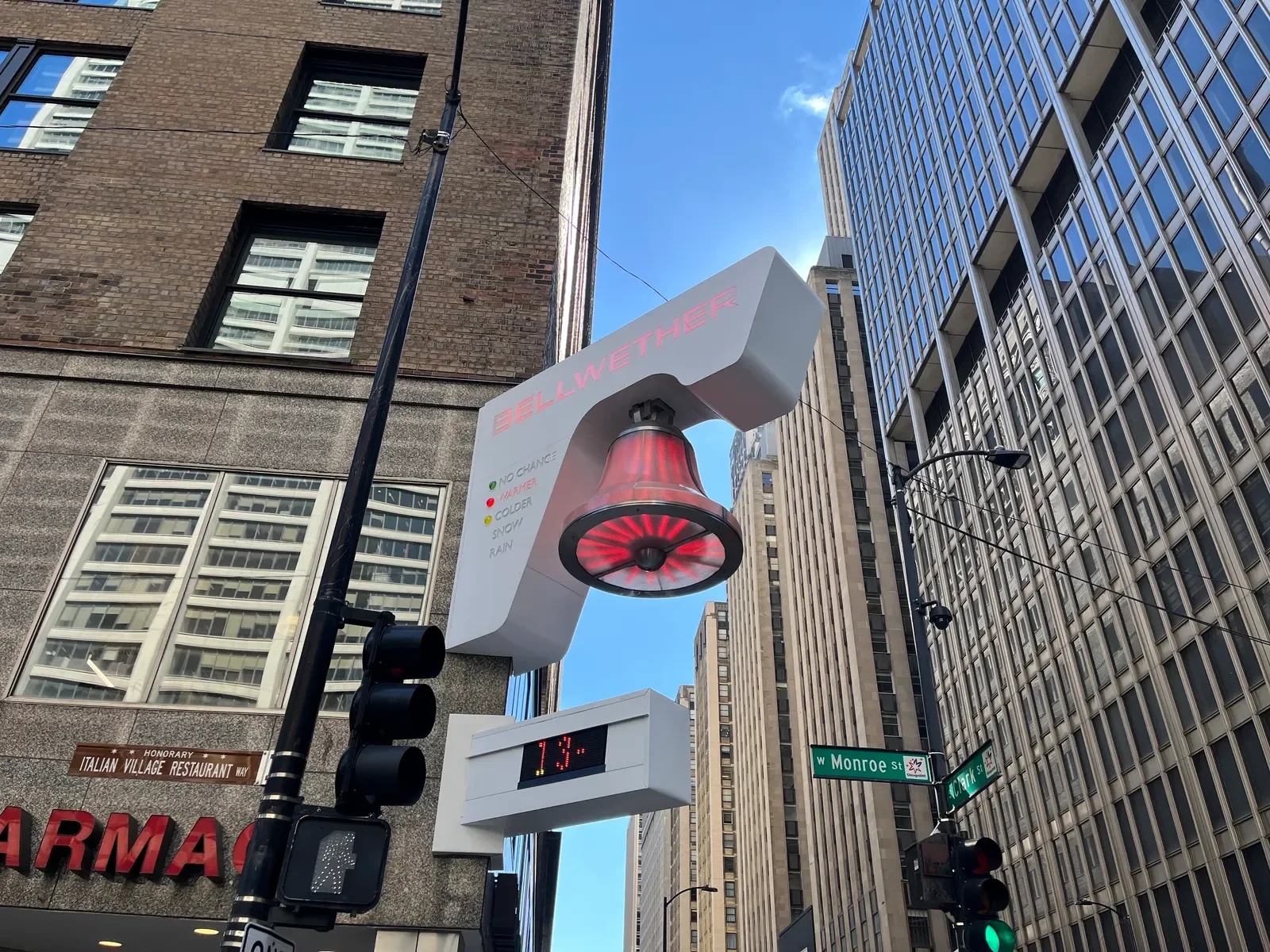
Developers transformed the historic 14-story Rector building into the Bellwether, which now boasts 117 residential units. Among these, 41 are set aside for families earning about 60% of the area median income. This designation isn't just a footnote; it speaks to the heart of Chicago's pressing affordable housing crisis. The project leveraged $28 million in tax increment financing alongside a historic landmark designation that unlocked $7.8 million in federal tax credits. Together, these financial instruments illustrate a strategic approach to urban redevelopment that could serve as a model for other cities.
A Precursor to More Conversions
The Bellwether is not just a standalone project; it's a precursor to five other conversions that the Department of Planning Development is currently considering. The ambitious goal is to provide a total of about 1,765 mixed-income units across these initiatives. DPD Commissioner Ciere Boatright highlighted the project’s potential, stating, “The Bellwether is the vanguard for downtown office conversions that are reimagining what it means to live, work, and play in the heart of Chicago.” This reflects a forward-thinking approach that acknowledges the changing needs of both residents and businesses in urban areas.
This initiative is particularly timely given Chicago faces a critical shortage of affordable housing. Current estimates indicate the city is facing a deficit of 119,000 affordable units. Alarmingly, over half of its residents are considered cost-burdened—spending more than 30% of their income on rent. The demographic data points to a growing arduous reality; many people are struggling to find stable and affordable living options. As urban work patterns evolve post-pandemic, the demand for adaptive reuse projects is gaining traction across the nation.
Cities like New York and Washington, D.C., are leading in this space, but Chicago is emerging as a notable contender, currently ranking third nationally in office-to-housing conversions. This is an upward trend, suggesting that many urban centers may need to rethink their approach to housing and commercial space.
Private Initiatives: A Complement to Public Projects
In addition to city-supported projects, nearly two dozen private conversions are progressing, expected to introduce around 4,000 new residential units to the market. Gary Stoltz, a partner at developer R2, emphasized that the Bellwether showcases how the city can breathe new life into its historic structures. He suggests this revitalization isn't just cosmetic; it has the potential to reshape the Loop's future. A vibrant mix of residents and businesses isn't just beneficial; it’s essential for maintaining the economic viability of urban areas.
This trend isn't merely about creating living spaces; it reflects a fundamental shift in how we perceive urban planning. If you're working in this space, understanding the implications of such projects is paramount. It's not just about meeting current demands but also anticipating future needs. The completion of projects like the Bellwether mirrors broader urban revitalization trends that align with changing needs and lifestyles of Chicago's population. Embracing these trends could redefine the city’s downtown, creating a dynamic community that appeals to a diverse range of residents.
Looking Ahead: Implications for Chicago's Housing Market
The implications of successful office-to-housing conversions extend beyond immediate housing relief. They signal a potential pivot for Chicago’s long-term housing strategies. As these projects take shape, they may invite additional investments into the city, reflecting confidence in Chicago's reinvention and capability to meet residential demands creatively. But this doesn’t come without challenges; balancing the interests of developers, residents, and the historical significance of these buildings will be essential.
More conversions may indicate a shift in how urban centers manage their real estate, particularly as remote and flexible work arrangements become more normalized. The sustainability of this strategy, however, hinges on the city’s leadership and its ability to navigate the complexities of urban development. What this means for the future could shift the entire narrative of urban living in Chicago, potentially setting trends that other cities will follow. It remains to be seen whether this enthusiasm can translate into long-term solutions, but the groundwork laid by the Bellwether project suggests a promising and engaging future for city living.