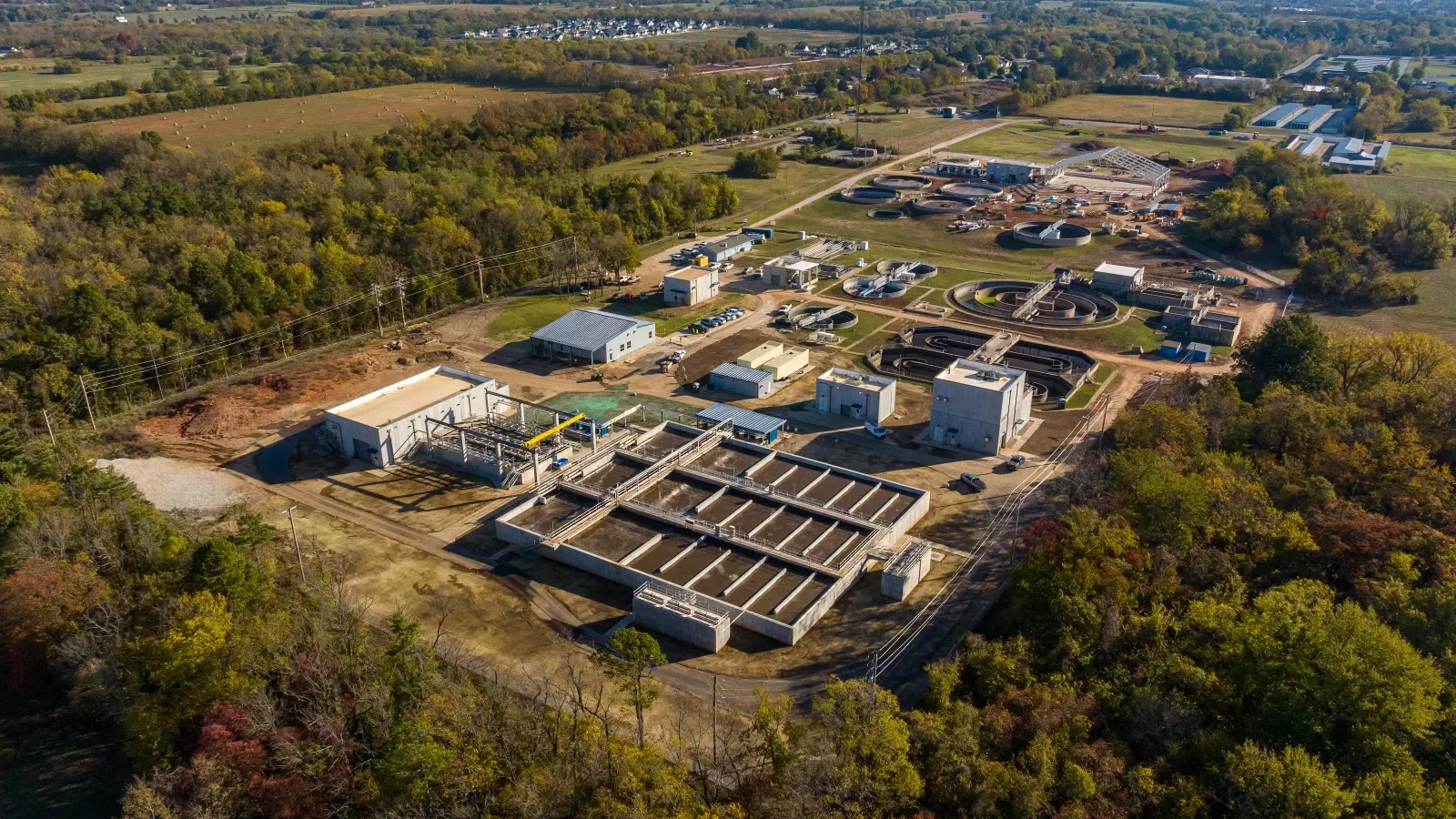
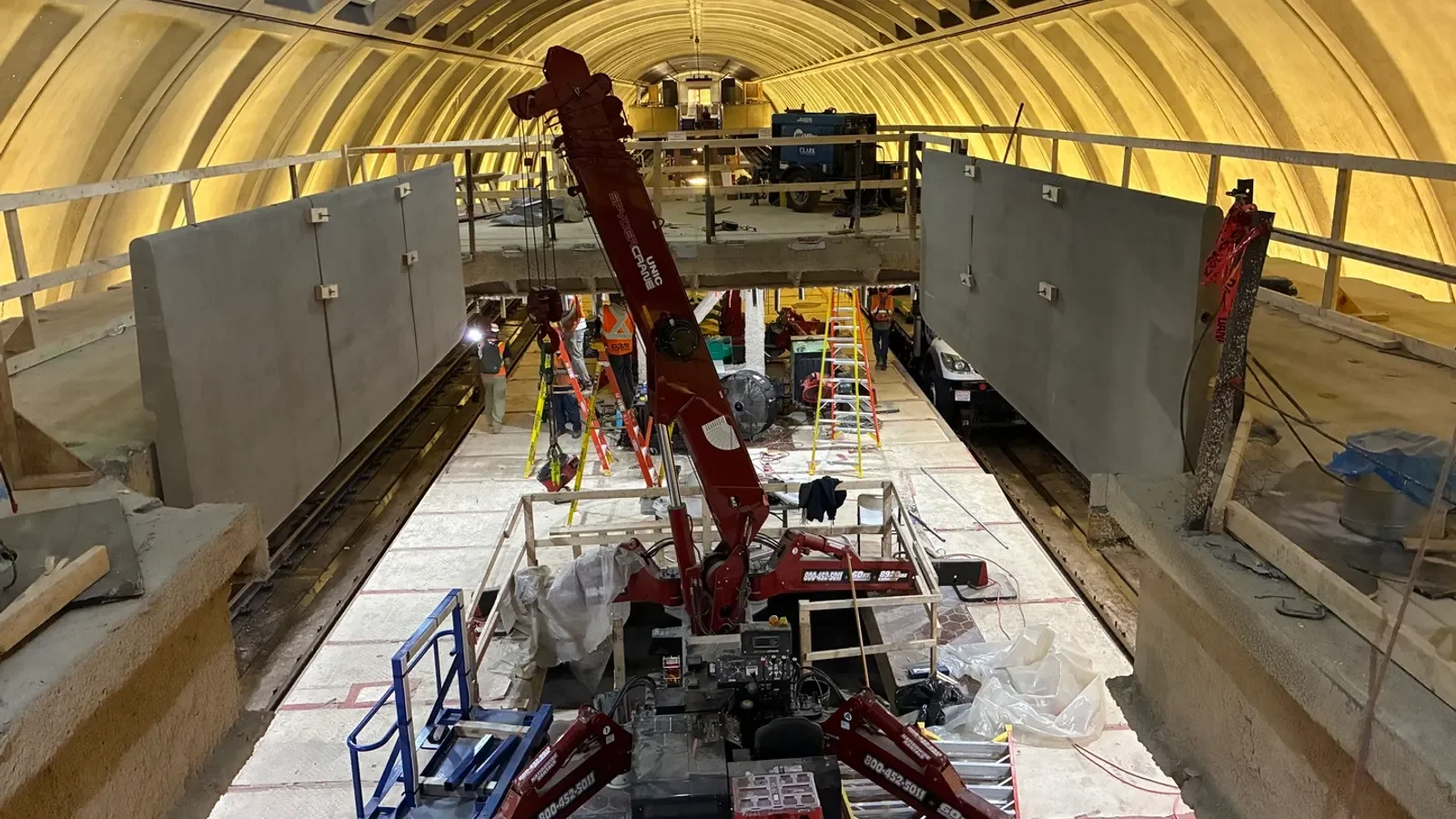
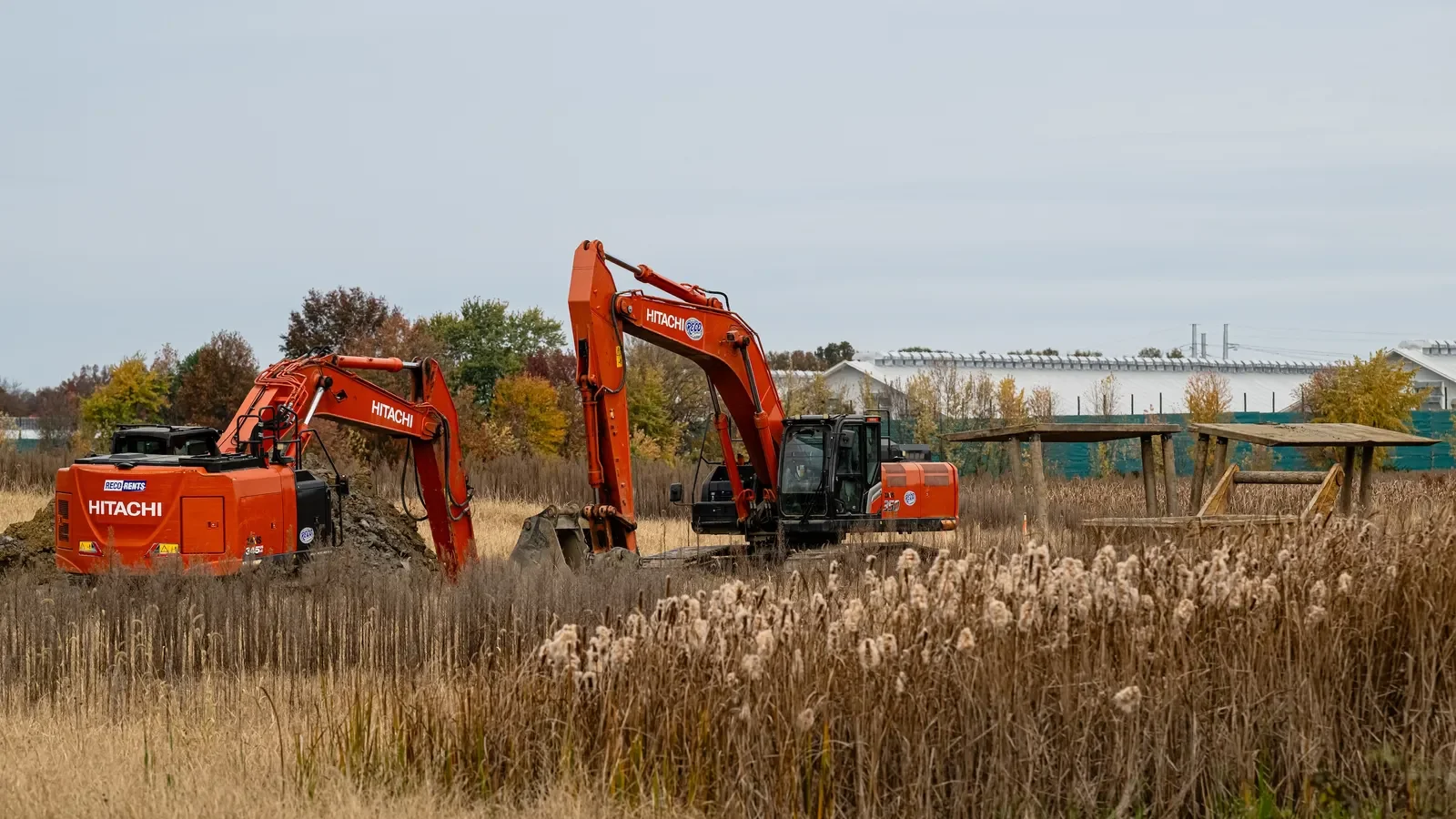
A major new construction project has initiated in Hurt, Virginia, marking a significant investment in the defense sector. HITT Contracting, recognized as one of the nation’s top contractors, has kicked off the development of a 900,000-square-foot solid rocket motor manufacturing facility for Avio USA.
Investing in Defense: A New Manufacturing Facility
Hurt, Virginia, may not be a household name, but it’s fast becoming a critical node in the United States' defense manufacturing network. The decision to plant a 900,000-square-foot facility here isn’t merely about building space; it represents a concerted push to bolster national defense capabilities. The defense sector has seen fluctuating levels of investment historically, but at this juncture, the focus on solid rocket motor production aligns well with military strategies and procurement needs.
HITT Contracting brings its expertise to the table as the project’s general contractor. Their reputation as one of the nation’s premier contractors isn't just a title; it’s built on delivering complex, high-stakes projects that demand meticulous oversight and progressive methodologies. This particular development project involves constructing more than 35 distinct buildings, underscoring the complexity and scale of the operation.
Avio USA: A Key Player in Defense Manufacturing
Avio USA, a subsidiary of Italian aerospace firm Avio S.p.A., plans to harness this facility not just for production but to cater to the logistics and demands of major clients like Lockheed Martin and Raytheon. The firm's aim to manufacture thousands of solid rocket motors annually is telling. These motors are crucial components in various missile systems and space launch vehicles, making Avio USA a vital player in enhancing U.S. military capabilities.
The company's investment—reported to hover around $500 million—reflects a significant financial commitment to the area. Politicians like Rep. John McGuire, R-Va., have underscored the economic implications for Hurt and surrounding regions. Such investment not only generates jobs but stimulates ancillary businesses in the local economy, bolstering the community and providing a much-needed economic lifeline.
The Construction Landscape: Challenges and Strategies
Construction in such a corridor poses logistical challenges—especially with the site’s topography, as noted by HITT's executive vice president Josh Foreso. It’s a detail that could easily go unnoticed, but the hurdles posed by the environment can significantly impact timelines and construction methodologies. HITT's commitment to careful planning suggests they’re aware of the stakes involved. After all, this facility won’t just serve immediate production needs; it’s being developed with a view toward long-term operational efficiency. The integration of protective construction and environmental controls speaks to a growing awareness of safety and sustainability in defense manufacturing.
For stakeholders, this emphasis on planning seems prudent. Complex builds must navigate unforeseen challenges, and a well-prepared contractor can mitigate delays and budget overruns. If you're working in this space, understanding the dynamics of construction in defense can offer valuable insights into project management and operational efficiency.
The Broader Context: Defense Production in the U.S.
The initiation of Avio’s facility in Hurt is part of a larger movement towards amplifying U.S. defense manufacturing capacities. A recent report by Westside Construction Group suggested this trend may lead to over $3 billion in solid rocket motor production projects. To put this into perspective, this period is among the densest for defense production since World War II, highlighting a strategic pivot by the U.S. to assert its military readiness. These projects aren't just about meeting current demands; they indicate a proactive stance in anticipating future needs and potential conflicts.
With significant upticks in global military engagement, the Defense Department’s inspector general has released assessments indicating critical ammunition shortages. These findings present a pressing need for ramped-up production capabilities—something facilities like the one in Hurt aim to address. The intertwining of military requirements and efficient manufacturing production is becoming increasingly apparent, especially as tensions rise globally.
Future Outlook: Anticipated Impact and Implications
The anticipated completion of the facility in 2028, with operations set to launch in early 2029, signals a long-term commitment to the defense sector. But what does this mean for the broader economy and local workforce? The influx of jobs and the necessity for skilled labor could lead to training initiatives and educational partnerships between contractors and local institutions. This is more significant than it looks, as it has the potential to uplift the community economically, socially, and in terms of skill development.
Yet, some skepticism exists regarding the dependency on defense contracts. While the immediate economic boost is welcome, over-reliance on military manufacturing could lead to vulnerabilities, especially if market priorities shift. The sustainability of such investments may hinge on geopolitical stability and evolving U.S. defense strategies.
In a sector where demand fluctuates, having a diversified base of projects can hedge against future uncertainties. And this is the part most people overlook. As Avio USA steps into this new phase, it will be interesting to monitor not only the success of the facility itself but also the wider implications it holds for the local economy and the national defense strategy.