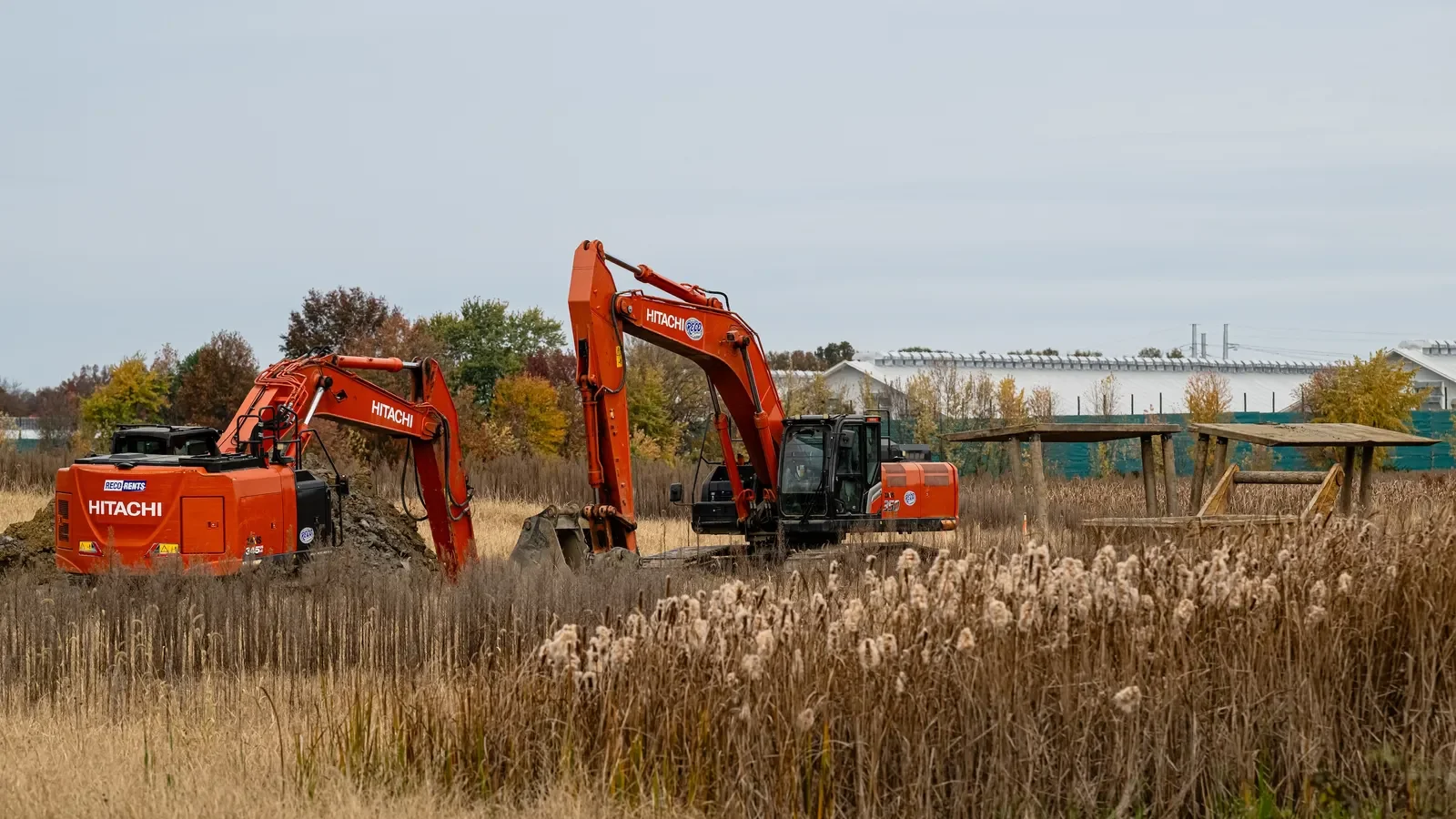
DPR Construction has officially commenced work on a significant $230 million development of Kaiser Permanente's new medical offices in Westminster, Colorado. This facility, spanning 132,000 square feet, is poised to be the healthcare provider's most substantial investment in the state since 2011, as noted in a statement released on October 9.
Set to open in 2028, the three-story structure will deliver an array of healthcare services, including an outpatient surgery center, urgent care, primary care, and specialty services for residents in North Denver. The facility will also feature obstetrics and gynecology (OB-GYN) services, a pharmacy, lab services, medical imaging, and pediatric care, responding to growing healthcare needs in the region.
Strategically located south of the existing Westminster Medical Offices on Huron Street, which has served the area since 1976, this new project reflects Kaiser Permanente’s commitment to expanding its footprint in Northern Colorado.
The Demand for Healthcare in Northern Colorado
The increasing investment in healthcare infrastructure by organizations like Kaiser Permanente signals a significant trend. As the population in Northern Colorado continues to grow, so does the demand for accessible healthcare services. Communities in this region have seen a demographic shift, with more families relocating for various reasons, including employment opportunities and quality of life. They’re looking for reliable healthcare options, and Kaiser Permanente’s new facility aims to fill this void.
According to various reports, the North Denver area has been experiencing a consistent rise in residents, creating a pressing need for healthcare services that can accommodate a diverse set of medical needs. This facility won’t just meet current demands; it’s poised to provide comprehensive care that anticipates future healthcare requirements. Given the rising complexity of healthcare needs, this facility’s integrated approach is likely to be crucial in making healthcare more accessible.
Modern Construction Techniques
DPR plans to utilize prefabricated and modular construction methods for various systems including structural framework, exterior facades, and mechanical, electrical, and plumbing (MEP) systems. Scott Miller, Mountain States leader at DPR, expressed that this strategy is particularly beneficial in healthcare settings, where meticulous coordination is vital to minimize disruption and ensure schedule adherence.
This innovative construction method isn't just a gimmick. It responds to a stark need for efficiency, especially in complex projects like healthcare facilities. Off-site construction means less time spent on-site, which is often fraught with unexpected delays and logistical challenges. With prefabrication, many complexities of building design can be resolved before the first brick is laid, leading to a smoother construction process.
Moreover, DPR has demonstrated a strong commitment to prefabrication, dedicating substantial resources to their efforts, including a state-of-the-art prefabrication facility in North Carolina. By integrating these techniques in the Kaiser Permanente project, DPR not only enhances construction timelines but also sets a new standard for healthcare infrastructure development. It’s an approach that simplifies jobsite logistics while maintaining efficiency. This is more significant than it looks, particularly in an era where time is of the essence in healthcare service delivery.
Community Impact
More than just a building, this project is set to have far-reaching implications for the local community. The new medical offices will create numerous jobs in both construction and permanent positions once the facility opens its doors. The estimated job creation can boost the local economy and offer new opportunities for residents. Such initiatives also have a ripple effect; better access to healthcare can improve the overall well-being of the community, often leading to more active participation in local events and initiatives.
There are often unspoken benefits that come with new healthcare facilities. They tend to attract specialists and dedicated healthcare professionals who want to work in well-resourced environments. If you're working in this space, it's essential to realize that the quality of care in a community can be elevated by simply having the right facilities in place. This contributes to longer-term health outcomes and can shift healthcare dynamics in the region.
Strategic Location
The choice of location for the new facility captures a keen understanding of public needs. Situated south of the existing Westminster Medical Offices, which has been operational since 1976, this new structure enhances accessibility. The existing site has proven its merit over decades, and placing the new facility nearby ensures that Kaiser Permanente builds on established trust with residents.
Travel convenience for patients cannot be overstated. In healthcare, when treatment is needed, proximity can make the difference between prompt care and delays that could worsen health conditions. Placing a modern facility in an already familiar area means current patients can transition smoothly to the new center while also attracting new patients seeking a comprehensive range of care options.
Future Outlook
As Kaiser Permanente moves forward with this ambitious project, the implications extend beyond bricks and mortar. This new facility embodies a vision for future healthcare delivery—one that emphasizes comprehensive, coordinated care. The investment in this area highlights the organization's commitment not only to its patient base but also to the healthcare workforce that will serve them.
Looking to the future, this expansion could stimulate further healthcare investments in Northern Colorado. Other providers may feel the pressure to innovate and expand, which could lead to improvements in service quality and availability across the region. That said, the success of this project will ultimately depend on consistent execution and the ability to adapt to any challenges that may arise during the construction process. Whether or not Kaiser Permanente meets its projected 2028 opening will be a telling indicator of the efficacy of such modern construction methods in a complex healthcare context.
In essence, the Westminster medical office development is both a necessary expansion and a potential catalyst for broader changes within the healthcare market. As patient needs evolve, so too must the systems that support their care. The industry would do well to observe this project, as it may well set a benchmark for how healthcare facilities are developed in the years to come.