Closure Announcement
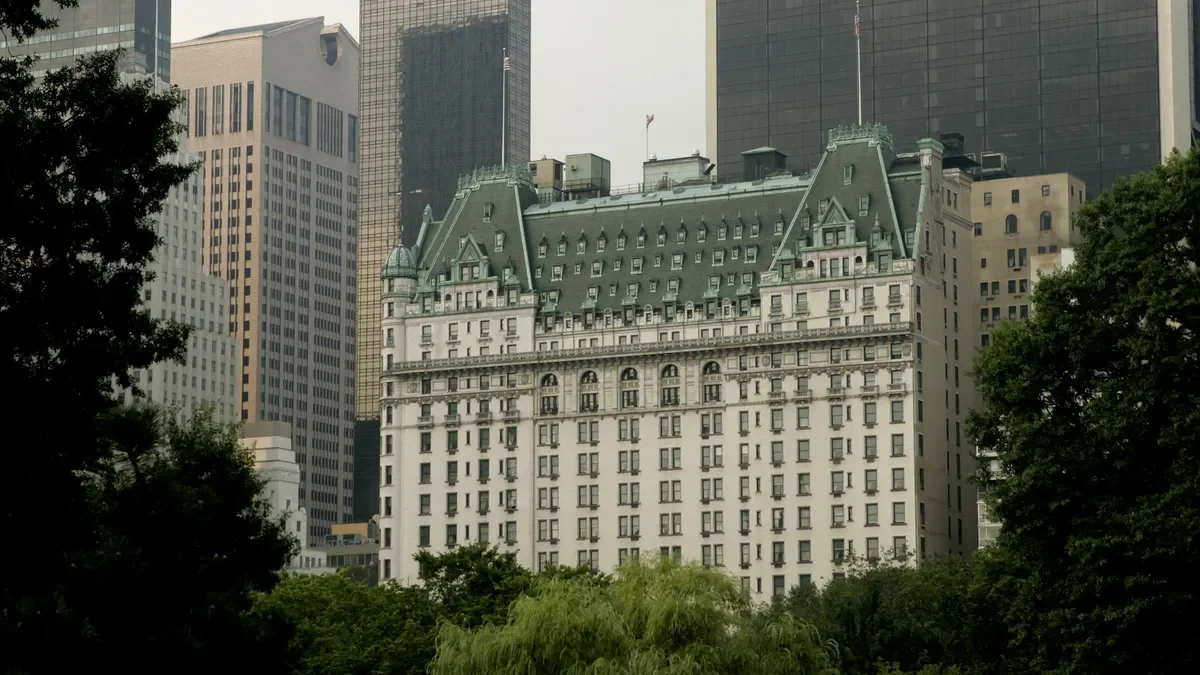
The renowned Plaza Hotel in New York City will shut its doors for a minimum of four years starting January 2027. This closure is necessary for an extensive restoration of its landmark-protected facade, according to an official announcement released on Wednesday. Such a lengthy closure is unprecedented for a hotel of this stature, underscoring the scope and significance of the work ahead.
Details of the Restoration
Opened in 1907, the Plaza has long been a symbol of luxury and elegance, attracting both celebrities and everyday travelers seeking a unique experience. Managed by Accor's Fairmont Hotels & Resorts, it's situated prominently along Fifth Avenue, adjacent to Central Park. The importance of this location can't be overstated; the Plaza is not just a hotel but a slice of New York City’s historic fabric. While the complete scope of the facade restoration is still being evaluated, hotel representatives have indicated that this project will emphasize maintaining the building’s architectural integrity and complying with historic preservation standards.
This restoration isn’t just about outward appearance. The facade is a part of a larger dialogue about how cities preserve their history while adapting to modern needs. Given that the Plaza is a designated landmark, any modifications require strict adherence to preservation guidelines, which can complicate renovations. Decisions made in this project could set precedents for similar endeavors elsewhere in the city, making industry stakeholders watch closely.
Planning for Preservation
Commenting on the undertaking, a spokesperson stated, “The project underscores the complexities involved in preserving a property of such historical importance, ensuring that both preservation requirements and the long-term care of the building are addressed.” This is more significant than it looks. The challenges of restoration often revolve around balancing aesthetic preservation with structural updates needed for safety and modern utility. The hotel’s operations will be significantly disrupted due to the restoration, leading to the decision to close.
But what does this mean for the many employees, vendors, and nearby businesses that rely on foot traffic from hotel guests? A closure of this magnitude poses questions about economic impact in the surrounding area; the Plaza's clientele contributes significantly to nearby shops and restaurants. As the project unfolds, impacts on local businesses may become a talking point for community leaders and city planners alike.
Impact on Operations
The New York Times noted that alongside the hotel itself, popular venues within the Plaza, such as its event rooms and the iconic Palm Court restaurant, will also cease operations in January. The loss of these venues will be felt beyond just their patrons; they serve as vital gathering spaces in the city. Events, afternoon teas, and social functions hosted within these walls have long been tradition for New Yorkers and tourists alike. Uncertainty remains regarding the status of residents living in the hotel’s luxurious condo units during the restoration. These residents face questions about their living situations, complicating an already challenging transition during the renovation.
And herein lies a potential blind spot. Hotel closures often leave guests seeking alternatives—a demand that can saturate nearby accommodations. With both the Plaza and its neighboring venues out of commission, competitors may experience increased occupancy rates as they fill the void left by this iconic establishment.
Comparative Renovations
In other news, other New York hotels like the historic Row NYC and Crowne Plaza Manhattan Times Square have recently completed their renovations and reopened. This signals a recognition within the hospitality industry that keeping facilities in top condition is essential for attracting guests. These renovations can refresh a property’s image, elevate service standards, and potentially increase revenue. Meanwhile, boutique properties like The Chambers Hotel have made their return to the market, illustrating a trend toward revitalization in the city's hospitality sector. However, the contrast with the Plaza's extensive and lengthy closure highlights both the urgency and complexities of renovations at landmark establishments.
Implications for the Future
The planned restoration of the Plaza Hotel isn't just a logistical challenge; it carries broader implications for New York City’s tourism sector. For one, this closure might drive up demand at other luxury hotels, as travelers may prefer alternatives within walking distance of Central Park. This shift could disrupt the traditional hotel market dynamics, with vacancy rates fluctuating differently based on the Plaza's absence.
What this means for you, if you're working in this space, is that the coming years will demand creative marketing strategies. Hotels that seek to capitalize on the Plaza's renovation should leverage its historical significance as a selling point—this could distinguish them in a crowded market. Stakeholders should also anticipate shifts in traveler preferences as people look for new landmarks to create memories, especially when traditional ones are off the map. The Plaza might be closed, but the allure of luxury travel in New York City remains.
(And this is the part most people overlook.) The outcome of the Plaza's restoration, if successful, could redefine how historic properties are preserved while maintaining operational viability. The outcome will be closely watched by industry professionals and city planners alike, who may draw lessons for future high-profile renovations. Stability in this arena is essential—not just for hotels—but for the local economy that thrives on tourism.