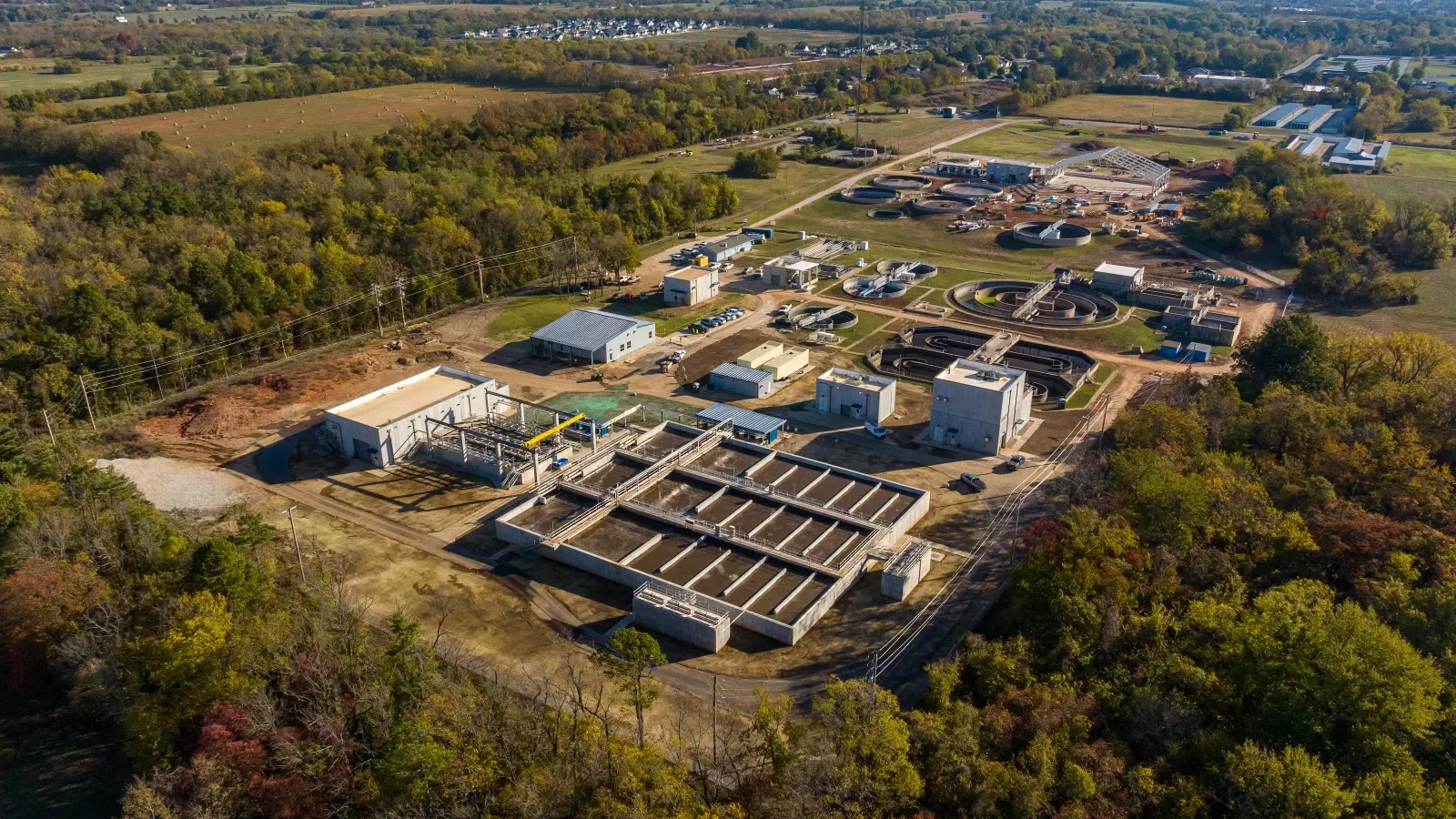
Carrier Global’s planned Fort Worth campus signals a major expansion of the city’s industrial base. The HVAC manufacturer expects to invest more than $600 million in a facility exceeding 1 million square feet and create 1,500 jobs. According to a Fort Worth economic development official, it’s the largest single facility investment in Carrier’s history. The size matters, but the project’s longer-term value will depend on how much of that activity reaches local workers and suppliers.
A large footprint tied to advanced manufacturing
The campus will expand Carrier’s U.S. capacity for advanced thermal management systems, including commercial air-cooled and water-cooled chillers. Those products serve buildings and industrial operations that need to control temperature at scale. Carrier says it’s responding to record backlog levels and demand from data centers, healthcare, education and industrial customers. The facility is scheduled to open next year.
That mix of customers gives the project a wider role than a simple increase in factory space. Data centers and healthcare facilities, for example, depend on reliable cooling, while industrial customers may need systems suited to demanding operating conditions. Carrier’s plans place Fort Worth inside a supply chain serving several parts of the economy, though the company hasn’t specified how production will be divided among those markets.
Carrier selected Fort Worth for its skilled workforce, manufacturing base and location, a company spokesperson said. The city competed with sites in three other states. That competition suggests the project’s location was a business decision made among multiple options, not an automatic choice. Fort Worth Assistant Economic Development Director Brianna Brown said Carrier had also expressed interest in recruiting local suppliers, which could extend the project’s reach through the region’s manufacturing network.
Supplier recruitment could matter well beyond the campus itself. A large manufacturer can create demand for parts, services and other business inputs, but interest in local sourcing doesn’t guarantee that nearby companies will win contracts. If you’re working in this space, the practical question is whether regional firms can meet Carrier’s needs at the required scale and on its schedule.
City incentives and hiring commitments
Fort Worth approved $10.9 million in tax abatements over seven years through the Texas Enterprise Zone Program, according to Carrier. The incentives are tied to capital spending and job creation targets. That structure makes the commitments central to judging the public side of the deal: the city is offering tax relief in connection with stated investment, employment and payroll goals.
At an Aug. 25 city council work session, Brown outlined the minimum commitments associated with the city package:
- $433.8 million in capital investment by Dec. 31, 2028, including $36 million in real property construction and $397.8 million in business personal property.
- 495 new full-time jobs by Dec. 31, 2029, with an average salary of at least $75,000.
- An estimated $261.7 million in additional payroll over seven years.
- A goal for small businesses to receive 30% of real property improvement costs.
Carrier’s announced investment and 1,500-job figure exceed those minimums, a company spokesperson said. The difference between the public commitments and the company’s headline figures is useful context: the larger numbers describe the announced project, while the city package sets minimum thresholds tied to the incentives. Meeting the minimums will be one measure of delivery; reaching the announced scale would indicate a larger local effect.
The small-business goal also speaks to how the project might distribute its benefits. A campus can add jobs and property investment while leaving local firms with little direct work if procurement stays outside the region. Brown described the project as a chance to strengthen Fort Worth’s manufacturing cluster and its energy and technology industries. This is more significant than it looks, but only if supplier participation and hiring take shape alongside construction.
Part of a wider U.S. expansion
The Fort Worth project builds on Carrier’s $1 billion U.S. manufacturing commitment announced last year. That spending was intended to expand existing sites and add a plant producing components for heat pumps and battery assemblies. The company has also announced plans to hire 1,000 U.S. service technicians and train more than 100,000 Carrier and partner HVAC technicians within five years.
Together, those announcements point to a broader effort to expand manufacturing and build workforce capacity in the United States. The Fort Worth campus is the largest single facility investment in Carrier’s history, according to the city official, but it sits within a wider company program. The distinction matters: the campus’s local impact will be measured in Fort Worth, while Carrier’s manufacturing and training commitments extend across its U.S. operations.
Carrier Chairman and CEO David Gitlin said the investment reflects demand for high-performance, energy-efficient products and the company’s confidence in U.S. manufacturing. He said the expanded footprint would increase capacity for key technologies, strengthen supply chains and add jobs. Those are the company’s stated aims; the construction schedule, hiring pace and supplier activity will show how fully they translate into results.
Financial context and what comes next
The project comes as Carrier reports mixed recent financial results. Second-quarter 2026 net sales reached $6.4 billion, up 4% year over year, while organic sales rose 3%. Operating profit fell 9% to $825 million, driven mainly by the Climate Solutions Americas and Climate Solutions Asia Pacific, Middle East and Africa segments. The company was scheduled to report third-quarter results on Oct. 29.
That mix of sales growth and lower operating profit gives the expansion a more complicated backdrop than demand alone suggests. Carrier is describing strong customer demand and investing in capacity, while its reported results show that higher sales haven’t prevented a decline in operating profit. The figures don’t establish what drove the Fort Worth decision, but they do give readers a reason to watch how the company balances growth plans with operating performance.
For Fort Worth, the campus’s scale and Carrier’s hiring plans put the project among the city’s most consequential recent industrial additions. And yet. The announcement is only the opening stage: its next test will be converting the planned investment into construction, jobs and local supplier activity. The figures to watch are the ones tied to those commitments—capital spending, full-time hiring, payroll and the small-business goal—because they’ll show whether the project’s regional reach matches its promise.