A major utility replacement inside a terminal project
Minneapolis–St. Paul International Airport’s $480 million Terminal 1 program combines a large concourse expansion with a full replacement of aging energy infrastructure. The Metropolitan Airports Commission selected Kansas City-based JE Dunn Construction as construction manager at risk, putting the firm in a central role as the project advances from planning and design toward construction. The scope matters because it reaches beyond passenger-facing space: it also addresses the systems that heat and cool the terminal.
That pairing changes how the program should be read. New concourse space may be the most visible part of the work, but the airport’s ability to serve that space depends on the energy facilities behind it. Replacing those systems while expanding a busy terminal creates a coordination challenge, since the work has to account for both the eventual facilities and the existing airport operations. The announcement establishes the project’s scale and broad timetable; it doesn’t yet describe the detailed construction sequence.
New energy center and concourse space
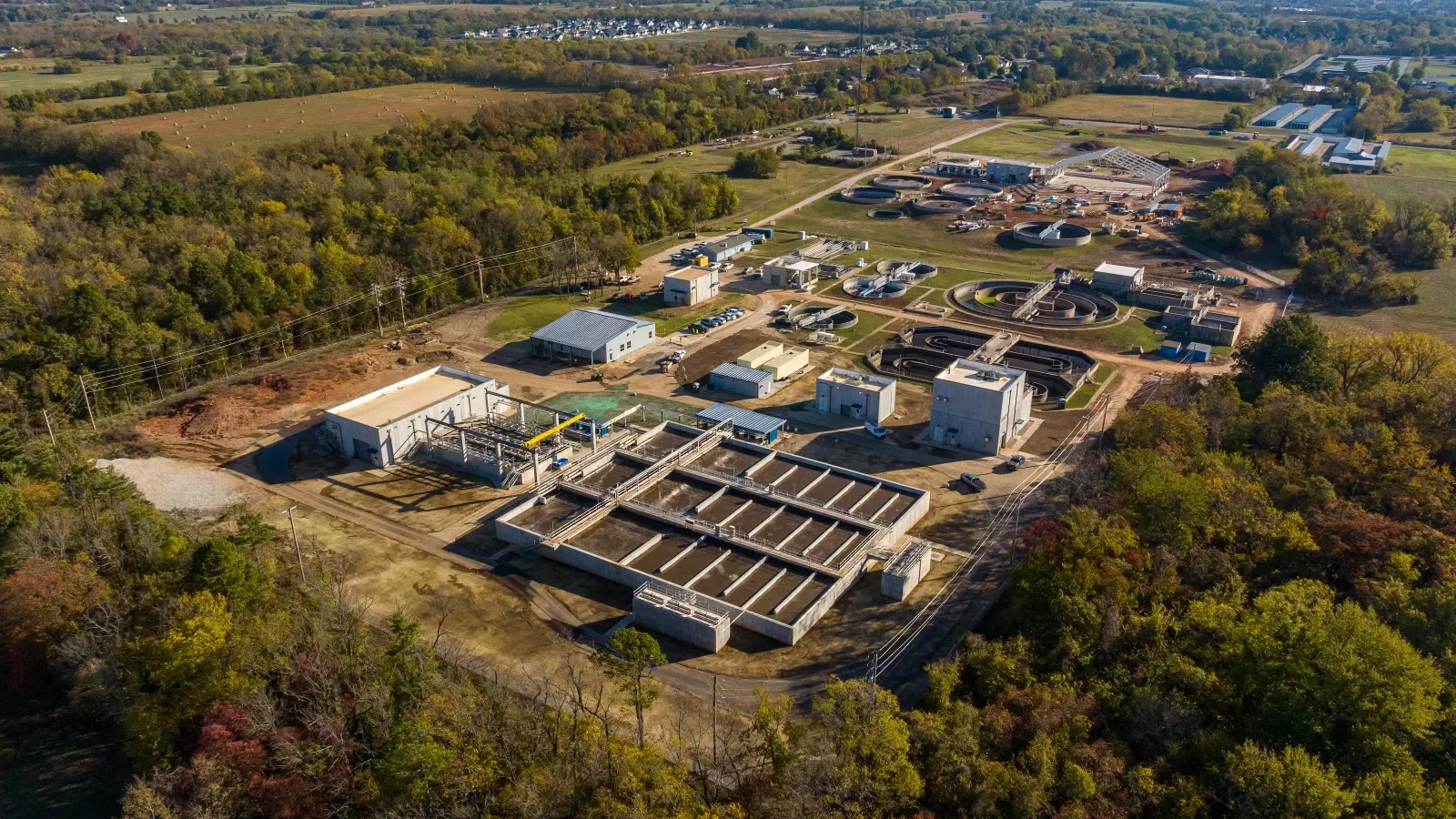
The work centers on the Energy Management Center, which has served Terminal 1 since about 1962. The existing structure will be demolished and replaced with an expanded facility and updated heating and cooling systems. That age gives the project a clear infrastructure rationale: a utility center built for an earlier version of the terminal is being replaced as the airport plans a substantially larger concourse footprint. The source doesn’t specify the current plant’s capacity or condition, so the case for replacement rests on the stated scope rather than a published performance comparison.
Plans call for upgrades to the steam boiler plant, a complete replacement of the chilled water plant, an industrial heat-recovery chiller and a new heating-water distribution system. Together, those elements point to a broad rebuild of the systems that move heat through the terminal, rather than a limited equipment swap. Similar systems typically have to be designed around changing demand and the constraints of connecting to occupied buildings. Here, the exact design requirements and expected operating benefits haven’t been provided.
The project documents also identify a 28-well geothermal system as a potential addition. That wording leaves its status open: it’s a possibility in the documents, not a confirmed part of the construction scope. If included, it would add another component for the project team to coordinate with the heating and cooling infrastructure. The distinction matters, because a listed option shouldn’t be read as a settled commitment.
The concourse scope will remove about 183,400 square feet of existing space and deliver approximately 309,990 square feet of new facilities. The figures describe a substantial change in the terminal’s physical layout, although they don’t by themselves explain how the new space will be arranged or used. Demolition and replacement can also bring practical sequencing demands: crews need to connect new work to a functioning terminal, while airport staff continue managing passengers and operations.
Planning and design are underway, according to JE Dunn’s Oct. 19 announcement. The commission’s total project budget is $480 million. That budget gives a headline measure of the program, but the available information doesn’t break it down between the energy center, concourse work, design, or other project costs. For now, the scope and the budget establish the scale; more detail will be needed to judge how the major components fit together.
Phased schedule builds on airport experience
JE Dunn expects enabling work to start in 2027, followed by major construction in 2028. The current target for final completion is 2032. Those milestones put the program on a long runway, with several years between the anticipated start of enabling work and the planned finish. Enabling work often covers preparatory tasks that must happen before the main construction effort can proceed, but the announcement doesn’t spell out which tasks are planned here.
With work taking place at an operating airport, phasing will be central to carrying out the program while Terminal 1 remains in use. The schedule will have to account for the relationship between demolition, new construction, and the utility systems that serve the terminal. That’s a demanding setting: work areas and operating areas need to coexist, and changes to the sequence can affect how later work proceeds. The source gives the broad phases, but not the detailed plan for keeping the terminal functioning through them.
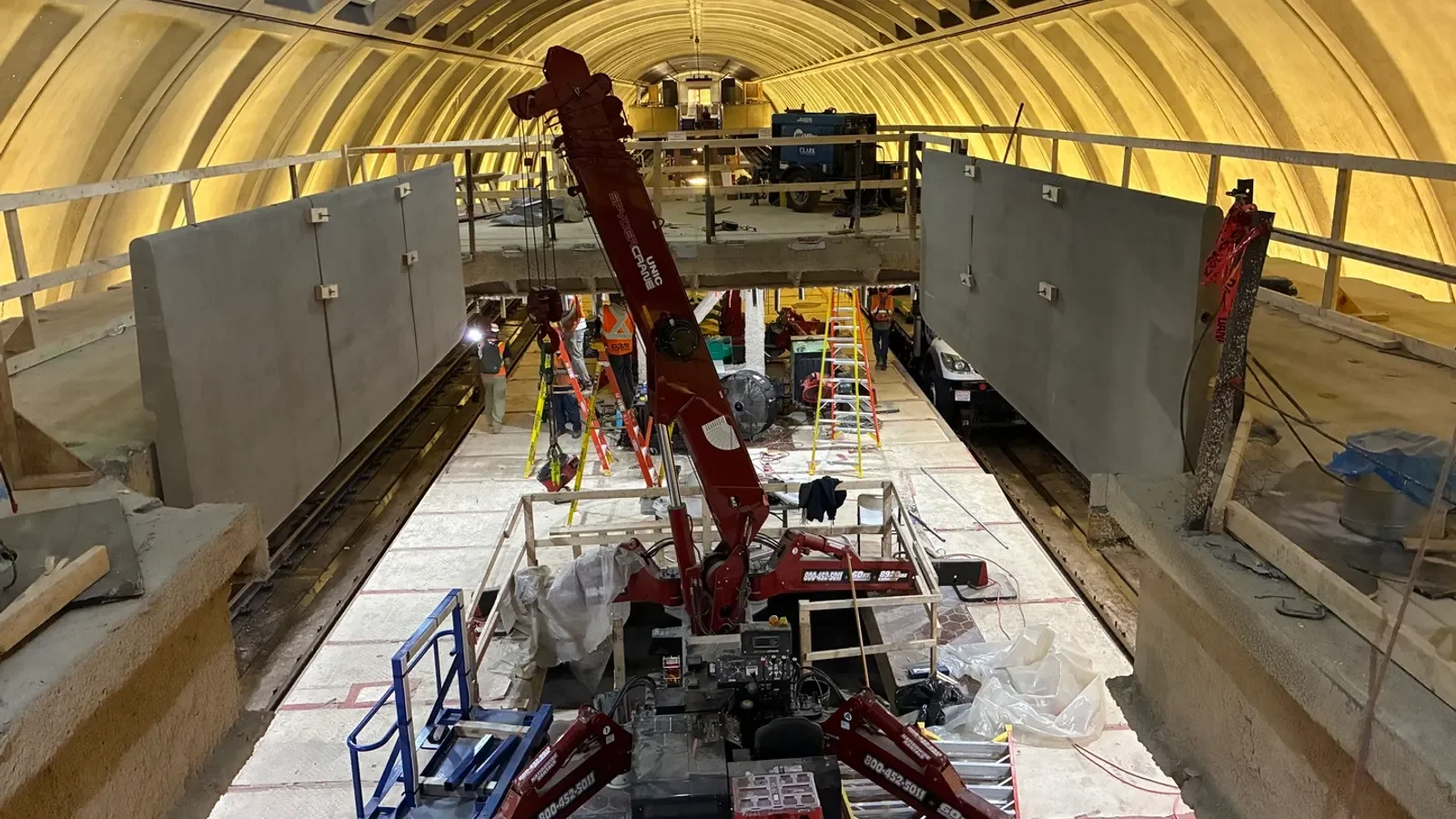
JE Dunn’s recent experience at MSP offers a relevant point of comparison. The firm completed a 378,000-square-foot Terminal 1 renovation that covered 75 Delta Air Lines gates and six concourses. The work was scheduled overnight to keep the terminal fully operational. That history shows the contractor has worked within the airport’s operating constraints, though a completed renovation doesn’t establish how the new program’s more varied scope will be managed. This is more significant than it looks: the energy-center replacement adds a major infrastructure task to the usual challenge of building around terminal activity.
What the project signals for MSP
The Minneapolis project also adds to JE Dunn’s airport portfolio beyond Minnesota. Earlier this year, the firm secured work on the $1 billion upgrade at Norfolk International Airport in Virginia. That comparison provides context for the contractor’s airport work, but it doesn’t tell readers whether the two projects share a schedule, design, or delivery approach. Each airport has its own operating conditions, and the MSP announcement doesn’t offer a basis for treating the projects as directly comparable.
At MSP, the scale of the planned concourse additions and the replacement of a six-decade-old utility plant make the 2032 completion target a key marker for the airport’s long-range facilities program. The date is a target, not a report of completed work, and the project remains in planning and design. As those stages continue, the details that matter most will include how the project is phased, how the energy systems connect to the expanding terminal, and whether the potential geothermal component moves into the committed scope.
And yet, the basic direction is already clear: MSP is tying terminal growth to a substantial renewal of the infrastructure that supports it. If you’re working in this space, the useful signal is the combined scope, not the headline budget alone. The project will test whether the airport can coordinate new passenger facilities and essential energy work on a schedule that keeps Terminal 1 operating. A long program. A demanding interface between construction and daily airport use.