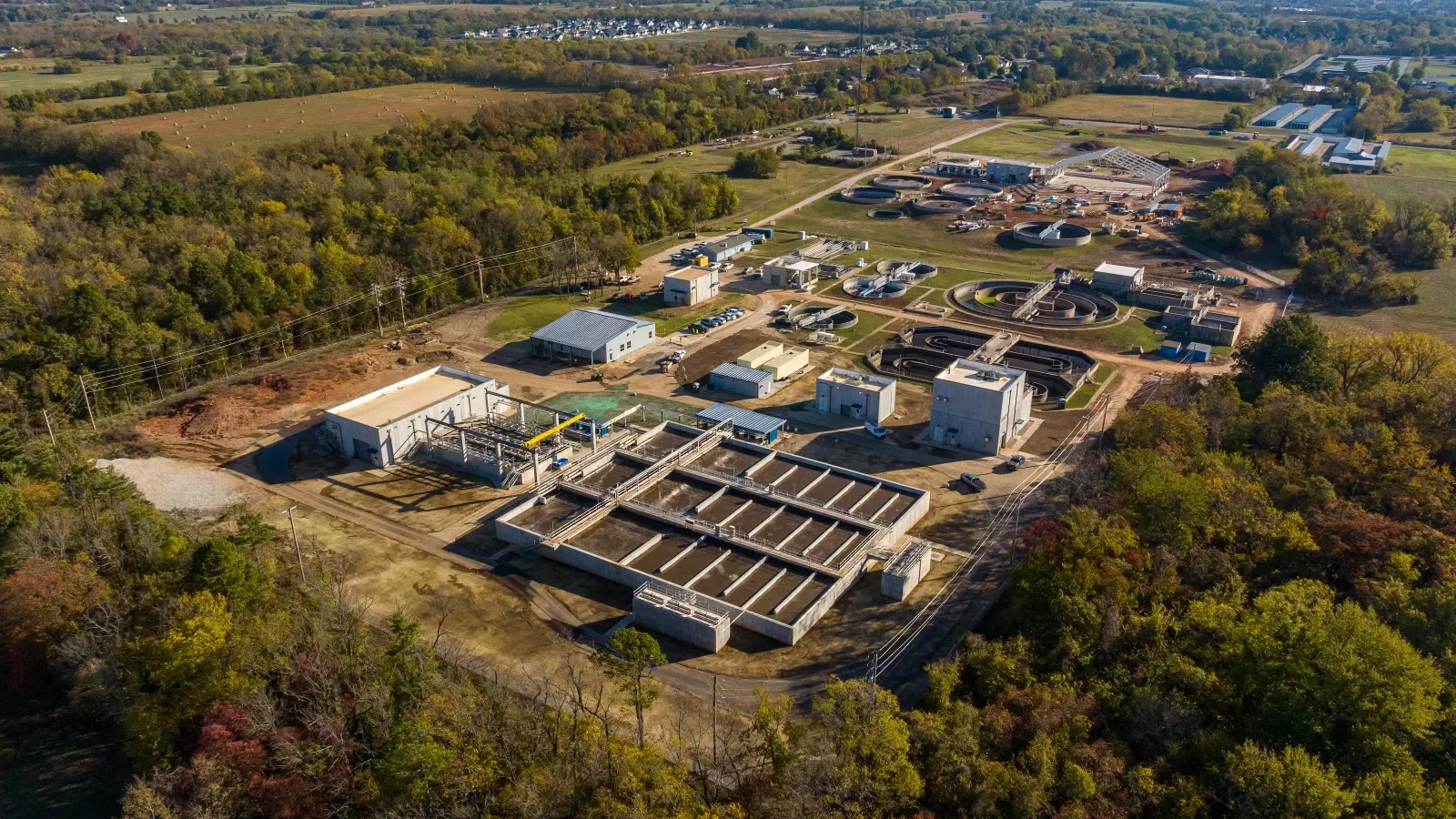
Keeping San Francisco’s largest wastewater plant running through a $1 billion overhaul will define the delivery challenge for Jacobs and PCL Construction. The San Francisco Public Utilities Commission selected their joint venture as progressive design-build contractor for the Southeast Treatment Plant Nutrient Reduction project. The award puts the two firms in charge of a project where the work has to fit around an operating public utility, rather than take place on an empty site. That distinction shapes the practical challenge as much as the treatment equipment itself.
Upgrade targets nutrient discharges
The Southeast Treatment Plant handles nearly 80% of the city’s wastewater. The project will add advanced treatment capabilities to reduce nutrients discharged from the facility. Once complete, the process is expected to meet updated state and federal environmental requirements, said Stephen Robinson, the commission’s assistant general manager. The announcement describes the intended outcome, but doesn’t specify which treatment processes will be installed or how performance will be measured.
“This ambitious project will remake the heart of San Francisco’s largest treatment plant while that plant continues to operate,” Robinson said. He added that Jacobs and PCL’s experience on previous major wastewater projects will matter as the commission tackles the project’s scale and complexity. The quote captures the central tension: the facility must keep doing its existing job while crews make room for a different level of treatment. There’s little room for a clean break between old and new systems when a plant serves such a large share of a city’s wastewater.
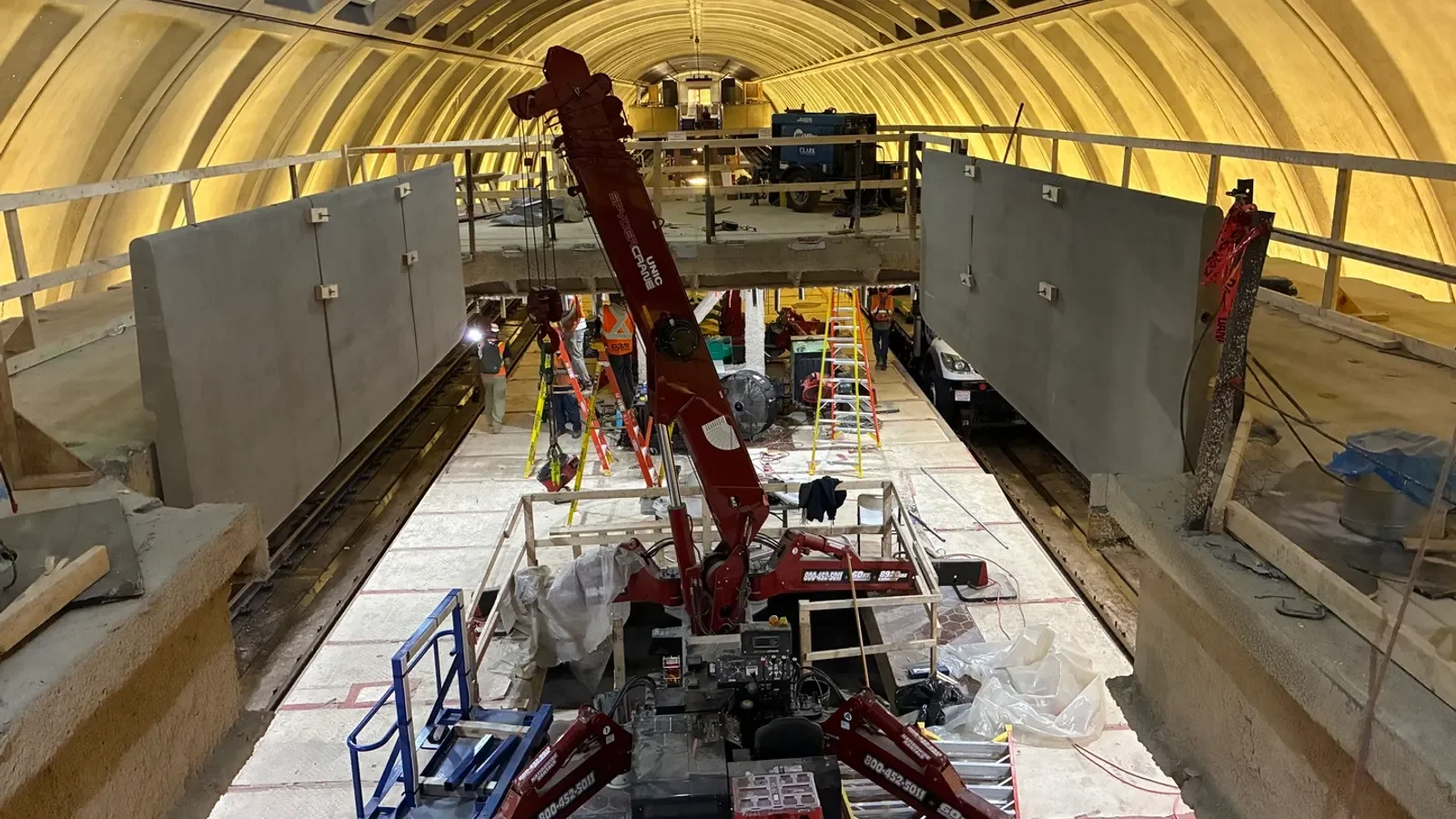
That operating requirement puts sequencing and coordination at the center of the work. Crews will have to carry out a major plant transformation while treatment continues, which generally means construction planning must account for how work areas, equipment, and operating systems interact. The source announcement didn’t provide a construction schedule or completion date. Without those details, the award establishes who will lead delivery and what the project is meant to achieve, but leaves the near-term timetable open.
Delivery depends on working around live operations
Progressive design-build is a delivery approach in which the owner, designers, and builder can develop the project through an ongoing process rather than rely entirely on a fixed design before construction planning begins. For a complex plant upgrade, that format can help teams assess construction choices against operating needs as the design advances. It doesn’t remove the underlying difficulty: decisions still have to account for the plant’s ongoing service, and changes in one part of a facility can affect work elsewhere.
Here’s the thing: the headline figure and treatment goal are easy to understand, while the disruption risks are harder to see. Work inside an active wastewater facility often requires careful coordination between construction activity and routine plant operations. That makes the sequencing plan a core part of the project’s substance, not just a matter of scheduling crews. The announcement offers no detailed phasing plan, so it’s too early to judge how the joint venture intends to manage that interface.
This is more significant than it looks. If you're working in this space, the useful question is how the design and construction teams will keep operational constraints visible as the project develops. The contractor’s past experience may help, as Robinson said, but experience alone doesn’t disclose the project’s methods or the way risks will be handled. The test will be in the delivery.
Community commitments and California work
Jacobs, based in Dallas, will support the SFPUC’s Social Impact Partnership with investments in community health, education, and workforce training and development initiatives, according to the announcement. Those commitments broaden the project’s stated scope beyond plant infrastructure. They also give the commission a public-facing component to track alongside construction and treatment goals, although the announcement doesn’t identify investment amounts, specific programs, or outcome measures.
That distinction matters. Community commitments can describe a meaningful part of a public works project, but broad categories don’t tell readers how many people or organizations will be reached, or when the work will take place. The announcement names areas of support without supplying those details. (And this is the part most people overlook.) The commitments are part of the award’s public record, while their eventual effect will depend on how they’re put into practice.
The award adds to Jacobs’ water infrastructure work in California. In June, the company and McCarthy Building Cos. began construction on a $185 million groundwater desalter expansion in Torrance. Jacobs has also delivered upgrades at Los Angeles’ Donald C. Tillman Advanced Water Purification Facility and the San José-Santa Clara Regional Wastewater Facility. Those projects show that Jacobs has worked on other California water and wastewater facilities; they don’t establish that the San Francisco job will follow the same schedule or face the same conditions.
What the project will show
For San Francisco, the measure of the project will be whether the plant can sustain service while new treatment processes are built into its core. That combination of continuous operations and expanded nutrient treatment is the defining test of the $1 billion program. The project’s stated purpose is clear, but its execution will depend on details the award announcement hasn’t yet supplied, including timing and construction phasing.
And yet, the absence of those details doesn’t make the award insignificant. It marks the start of a delivery effort at a facility that handles nearly 80% of the city’s wastewater, with environmental compliance and uninterrupted service both in view. What this means for you as a reader is that the most telling updates will be the ones that explain how construction is progressing alongside operations, and whether the planned treatment improvements are being brought into service as intended. For now, the central challenge is plain: transform a major plant while it keeps working.