The $2.41 billion Navy award concentrates Fluor Marine Propulsion’s nuclear propulsion work in Pennsylvania and New York, with a smaller share in Idaho. The contract adds to a substantial project pipeline for the Fluor subsidiary as it expands across energy and industrial markets. Its scale makes the award a significant part of the company’s reported work, though the dollar value alone doesn’t show how quickly revenue will be recognized or how demanding delivery will be. Those questions depend on the work’s schedule, staffing and execution, details the announcement doesn’t provide.
Work centers on Pittsburgh and Schenectady
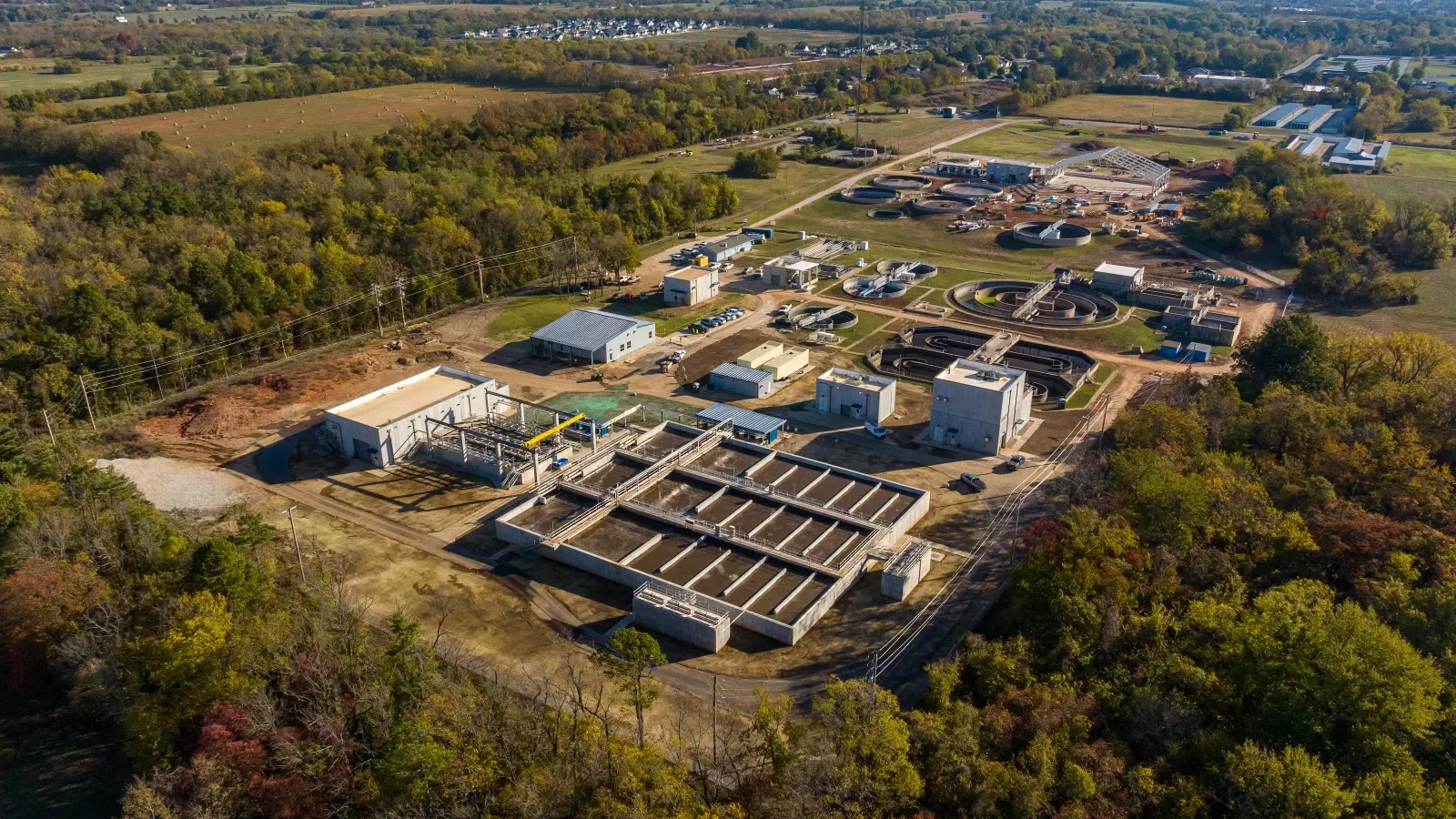
Announced Oct. 23, the cost-plus-fixed-fee contract modification covers work for the Naval Nuclear Laboratory, which develops technology and systems that power Navy ships. Pittsburgh will account for 47% of the work, while Schenectady, New York, will handle 45%. Idaho Falls will take the remaining 8%. The split is unusually clear in one respect: almost all of the stated work is concentrated in two locations, with a smaller portion assigned to Idaho Falls.
That distribution gives the award a regional footprint as well as a large headline value. The percentages identify where the work will be performed, but they don’t explain how many people will be involved, how duties are divided among locations, or what each site will deliver. Those distinctions matter when readers try to understand what a major contract means for local operations. A work share is a useful map; it isn’t a complete account of employment or economic impact.
The cost-plus-fixed-fee structure also describes how the contract is priced at a broad level. In this kind of arrangement, payment generally covers allowable costs along with a fixed fee, so the total award value shouldn’t be read as a simple measure of profit. The source doesn’t state the expected margin, timing of spending, or the work’s duration. That limits what can be concluded from the $2.41 billion figure by itself.
Fluor Marine Propulsion is a subsidiary of Irving, Texas-based Fluor. The award is valued at $2.41 billion and names the U.S. Navy as its client. For Fluor, the contract links its engineering and project delivery business to a long-running area of specialized government work. That’s a meaningful addition to the company’s workload, but the available details don’t establish how the award will affect results in any particular quarter.
A broader project pipeline
Fluor has pointed to stronger demand in power, mining, nuclear fuels, life sciences and refining, according to its Aug. 7 second-quarter earnings call. The range matters: it suggests the company is pursuing work across several sectors rather than relying on one market to support its pipeline. But a list of areas with stronger demand isn’t the same as a breakdown of booked revenue, project profitability or the pace at which opportunities become active work. Here’s the thing: a large pipeline can signal opportunity, while still leaving execution and timing as the harder questions.
The Navy work lands alongside other large projects: in September, Fluor won a $7.5 billion contract for phase two of LNG Canada’s export facility in Kitimat, British Columbia. The expansion will add two liquefaction units and double the facility’s production capacity. The project’s size illustrates the breadth of Fluor’s reported activity, from nuclear propulsion work to energy infrastructure. It doesn’t, on its own, show how the company’s resources or earnings will be divided between projects.
The company is also providing engineering, procurement and construction management services for Novelis’ $5 billion aluminum recycling plant in Bay Minette, Alabama. Novelis expects construction to finish later this year. That assignment adds an industrial project to the mix, and its stated service scope covers several stages of project delivery. The source doesn’t specify Fluor’s contract value for this work, so the plant’s $5 billion price tag shouldn’t be treated as Fluor revenue.
Put together, these awards point to a business working across different kinds of complex projects. That breadth can help explain why Fluor highlights demand in multiple markets, but it also makes performance harder to judge from contract announcements alone. Each project has its own schedule and delivery requirements. A strong headline total can coexist with uneven progress across individual jobs.
What the awards signal—and what they don’t
This is more significant than it looks because the Navy award adds a substantial commitment in a specialized field to a pipeline that already includes major energy and industrial work. It gives Fluor a prominent role in work connected to systems that power Navy ships, while the other projects show activity in liquefied natural gas and aluminum recycling. And yet, announcements establish the scale and scope of assignments more clearly than their eventual contribution to earnings.
(And this is the part most people overlook.) A contract’s value, a company’s revenue and the profit it earns from a project are different measures. Without further detail on duration, spending and margins, readers can’t infer those outcomes from the award value. The reported work shares likewise tell us where activity is assigned, but not how many jobs each location will support or how local effects will unfold.
If you’re working in this space, the useful signal is the combination of sectors and the company’s next financial update. Fluor is scheduled to report third-quarter earnings on Nov. 6, offering its next update on the business mix behind these major awards. That report may clarify how management describes its workload and business mix; the source doesn’t provide those results in advance. For now, the pipeline is substantial. The test is delivery.