As home affordability poses challenges, many buyers are finding relief through significantly lower down payments, a trend we haven't seen since 2021. In early 2026, the average down payment dropped to approximately $23,400, which marks a $5,000 decrease from the previous year—a notable 19% decline. This shift in the property market represents a growing opportunity for prospective homeowners looking to enter the market.
Factors Behind Smaller Down Payments
Several market trends contribute to the reduction in down payments:
-
Decreased Competition: Today's more balanced real estate market has led to less competition among buyers. With fewer bidding wars pressuring them, many buyers feel less compelled to offer larger down payments to distinguish themselves from others. This change suggests a market correction after the frenzied conditions of previous years, where buyers often had to engage in aggressive bidding tactics to secure a property.
-
Stabilizing Home Prices: As home price growth steadies and even dips in some areas, the required percentage for down payments naturally adjusts downward. This decline means buyers are now facing lower overall costs when it’s time to put money down. Alongside this, awareness of regional price fluctuations helps buyers make more informed decisions, particularly in markets where properties have not appreciated dramatically in recent periods.
-
Loans with Lower Down Payments: A surge in popularity for government-backed loans, such as FHA and VA, is enabling buyers to secure homes with minimal or no down payment. Recent statistics show that FHA loans constituted over 24% of purchase mortgages, while VA loans reached their highest utilization in over a decade. These programs are integral, especially for first-time buyers, as they open the door for those who may struggle with traditional financing due to the constraints of high down payment requirements.
Exploring Assistance Programs
Despite still needing substantial sums, many buyers can bridge the gap for their down payments through assistance programs and financial support from family. This financial backing has become a lifeline for those trying to navigate the market on a budget.
A study by the Urban Institute and Down Payment Resource reveals that nearly 44% of buyers in the ten largest U.S. metros are eligible for down payment assistance but often overlook these resources when finalizing loans. Many potential homeowners remain unaware of the options available, which can significantly alter their purchasing power:
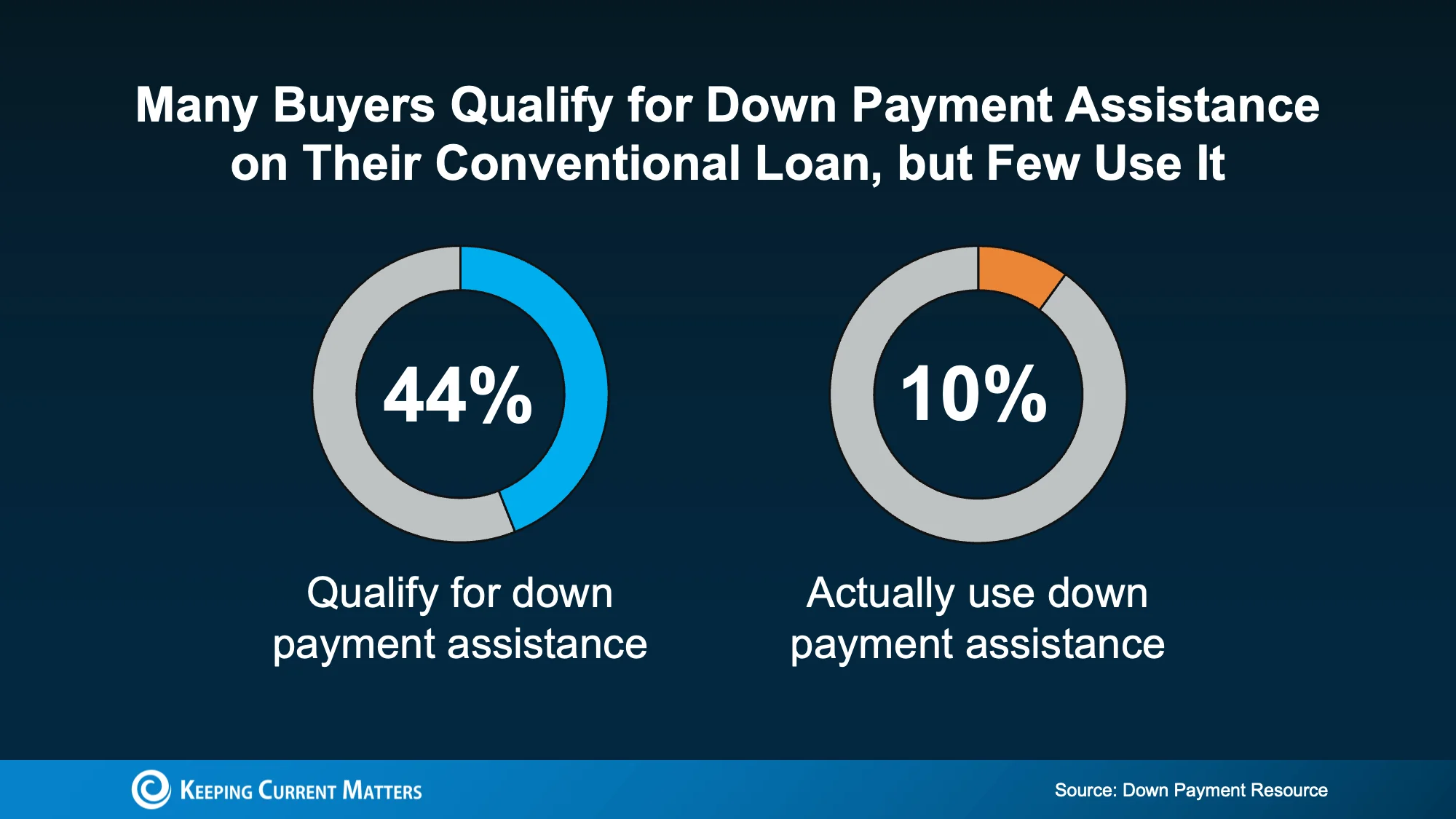
Currently, there are over 2,600 down payment assistance programs nationwide. Key findings include:
-
Approximately 62% of these programs cater specifically to first-time buyers. This focus is vital for understanding the demographic shifts in the home-buying process.
-
38% of programs offer assistance without first-time buyer restrictions, making them available to previous homeowners as well. This flexibility may encourage those who have previously missed out to re-enter the market.
-
Even high earners can benefit; 62% of programs remain accessible to those making $100,000 or more annually. This broad eligibility signifies a recognition that high incomes don’t always equate to having sufficient liquidity for a home purchase.
The Role of Family Support
Family financial support is increasingly a cornerstone for many buyers. Research indicates that roughly 59% of parents are likely to contribute to their children’s home purchases, primarily assisting with down payments and mortgage qualification. This dynamic reflects not only a practical response to market challenges but also a shift in familial roles in financial planning:
"Helping a child buy a home has become less of an optional gesture and more of a practical response to today’s affordability challenges," explains Chris Birk, VP of Mortgage Insight at Veterans United.
This familial assistance can significantly alter the timeline for new buyers, helping them secure homes sooner than they might otherwise have managed. And this is the part most people overlook: the personal networks influencing today’s market are critical yet often ignored in broader analyses.
Implications for Future Buyers and the Housing Market
The implications of reduced down payment amounts are broad and multifaceted. If you're working in this space, recognizing that a growing number of aspiring homeowners now have better accessibility can shift how you approach client consultations and market strategies. Lower down payments may encourage more individuals to enter the market, thus stimulating demand in a sector that had cooled. This could, in turn, influence home values as increased competition returns.
Moreover, as alternative financing options and assistance programs become more mainstream, we might see shifts in how banks and lenders evaluate potential borrowers. A market that embraces diverse financial solutions could offer increased flexibility, benefiting both buyers and sellers. With various stakeholders keen to adapt, the future home-buying experience could increasingly reflect a desire for inclusivity and support systems.
Final Thoughts
Reduced down payment amounts are reshaping the home-buying environment, opening doors to a broader range of prospective buyers. With upward support from assistance programs and family, more individuals may find their path to homeownership is more accessible than ever. Engaging with a knowledgeable lender can unveil solutions that align with your housing goals.